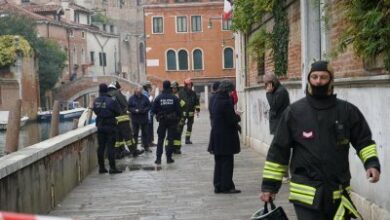

Kyiv Oblast: Fatalities and Infrastructure Damage
In Kyiv Oblast, the most severe consequences were recorded in the Brovary district. A 66-year-old male resident, who sustained critical injuries during the attack in the early morning hours, died in a hospital. According to the National Police of Ukraine and the Kyiv Oblast Military Administration (Kyiv OVA), he was one of two individuals injured in Brovary; the extent of the second person’s injuries was not specified in the immediate reports.
The physical footprint of the attack in Brovary was extensive. Ukrainian authorities reported damage to ten private homes, a gas station, a car dealership, two service stations, and various administrative and industrial facilities. The impact was not limited to Brovary. Damage was also documented in four other districts within the oblast:
- Boryspil District: Two multi-story apartment blocks, one private house, and an infrastructure object were damaged.
- Bucha District: A private residence and an energy infrastructure facility sustained damage.
- Obukhiv District: An energy infrastructure object was hit.
- Belotserkivka District: Four private houses were damaged by the shockwave of the explosions.
Emergency services, including the State Emergency Service of Ukraine (DSNS), were deployed to the sites to extinguish fires and document the destruction. The use of strike drones, as noted in preliminary reports, suggests a focus on precision or area-denial tactics against dispersed civilian and utility targets rather than large-scale kinetic bombardment of military logistics hubs in this specific incident.
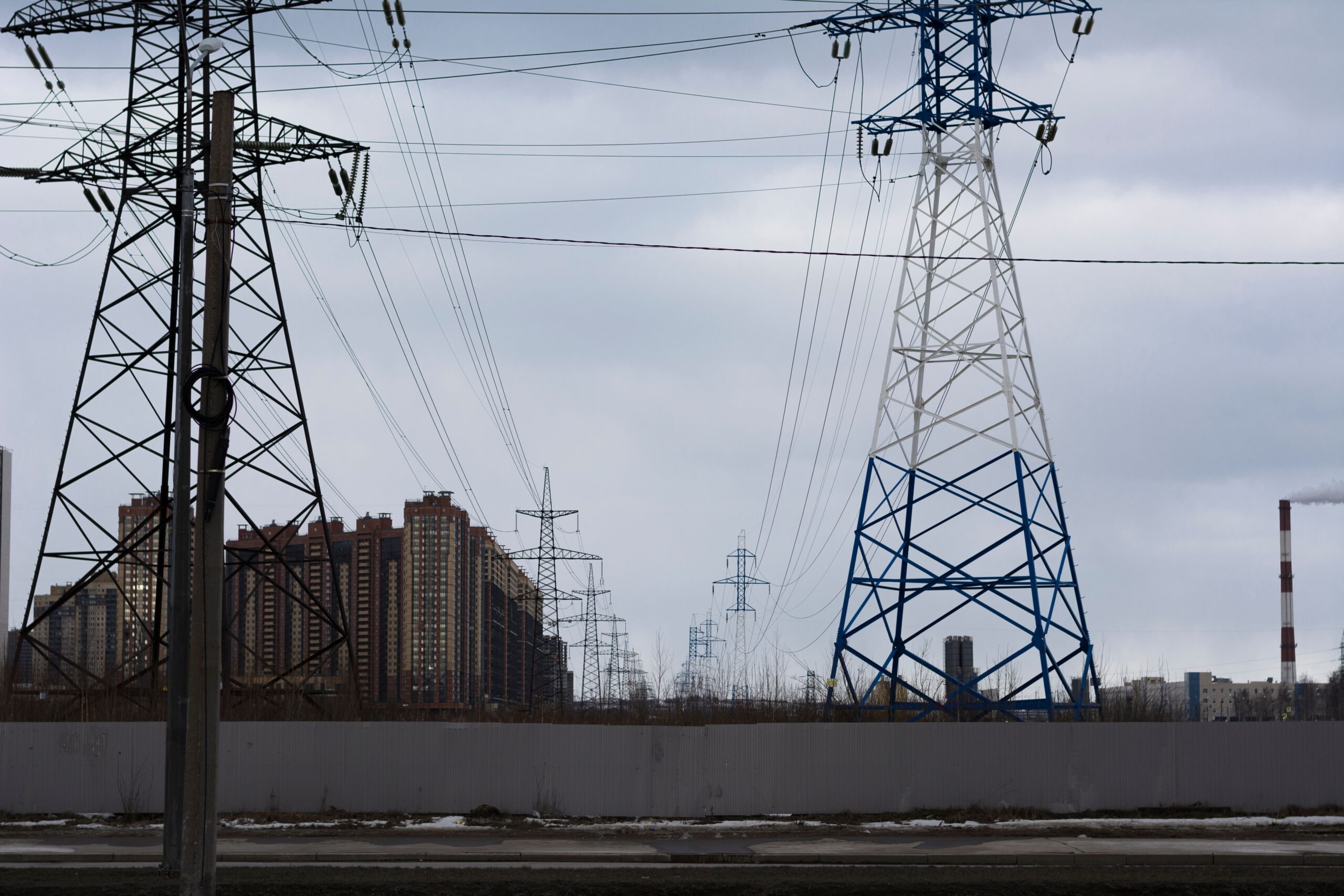
Vinnytsia Oblast: Energy Sector Under Pressure
Simultaneous strikes were reported in Vinnytsia Oblast, with a primary focus on the region’s energy grid. The Vinnytsia Oblast Military Administration and DSNS confirmed that the attacks caused power supply disruptions across parts of the region. One individual was injured and hospitalized in critical condition. The precise location of the strike that caused this casualty was not detailed in the initial summary, but the damage extended to a fire station and a local market area.
At the fire station, the building itself and rescue vehicles were damaged. Authorities noted that firefighters were in shelter at the time of the impact, preventing further casualties among emergency personnel. In the vicinity of a local market, several private vehicles and a trade kiosk were destroyed by fire, and windows in surrounding buildings were shattered. DSNS confirmed that all fires were extinguished, but the restoration of power remains an ongoing operation.
Broader Operational Context
These attacks were part of a wider nighttime campaign. According to broader regional reports, substation infrastructure was damaged not only in Vinnytsia and Kyiv but also in Zhytomyr, Rivne, Kharkiv, and Dnipropetrovsk oblasts. This indicates a coordinated effort to degrade Ukraine’s electrical grid resilience across multiple fronts. In total, across the affected regions mentioned, nine people were reported injured, including one child, though the specific allocation of these injuries to the Kyiv and Vinnytsia incidents described above requires careful distinction from the aggregate national figure.
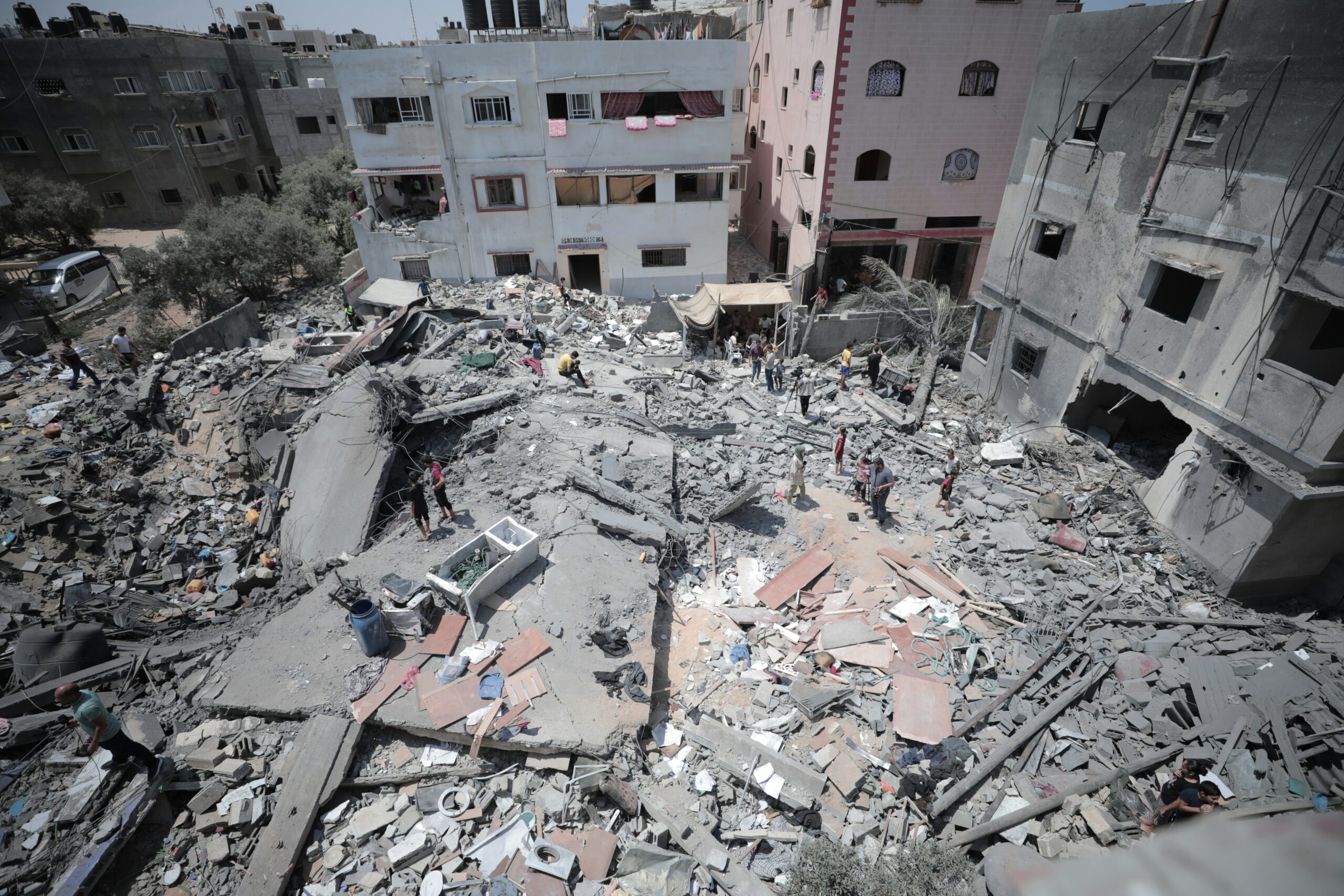
The targeting of energy infrastructure continues to be a central pillar of Russian operational strategy, aiming to disrupt civilian life and strain emergency response capabilities. The simultaneous strikes on residential areas in Kyiv Oblast and utility nodes in Vinnytsia demonstrate the dual-track nature of these operations: inflicting direct human cost while degrading strategic assets. For Ukrainian defenders, the challenge remains in maintaining air defense readiness against swarming drone threats while simultaneously managing the logistical burden of rapid repair to critical infrastructure under ongoing threat.
Investigations into the specific types of munitions used and the exact origin points of the drones are ongoing. The humanitarian impact remains significant, with displacement of residents from damaged housing and the continued strain on medical and emergency services in the affected oblasts.