
The assertion of downing 260 platforms is a significant claim in the context of modern air superiority operations. In contemporary warfare, the loss of such a volume of manned and unmanned aircraft to a single adversary’s air defense network would constitute a major strategic setback. However, the distinction between confirmed kills and claimed intercepts is critical. The source material does not provide independent corroboration, such as debris analysis, radar data from third parties, or official acknowledgments from the United States or its allies, regarding the fate of these specific aircraft. Consequently, the figure of 260 must be treated as an official Iranian claim rather than a verified tactical outcome.
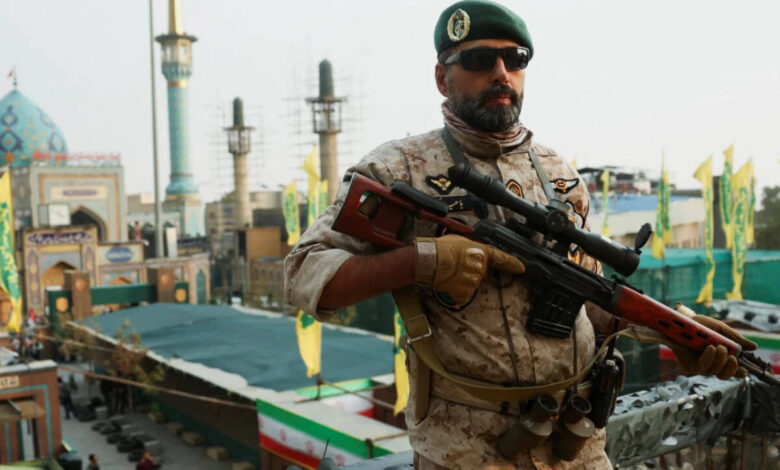
Alongside the claims of aerial interceptions, General Mohebbi highlighted advancements in Iran’s defensive infrastructure. He stated that the country has developed underground missile production facilities. The construction of subterranean industrial sites is a common doctrine in states facing the threat of precision-strike campaigns, as these facilities are designed to survive initial conventional or nuclear strikes and ensure the continuity of missile production. The existence of such facilities suggests a long-term strategic posture aimed at endurance and attrition rather than short-term tactical superiority. The report notes that Iran’s defense network has “rapidly advanced” amid the ongoing hostilities, implying that these capabilities are being integrated into active combat operations or are ready for immediate deployment.
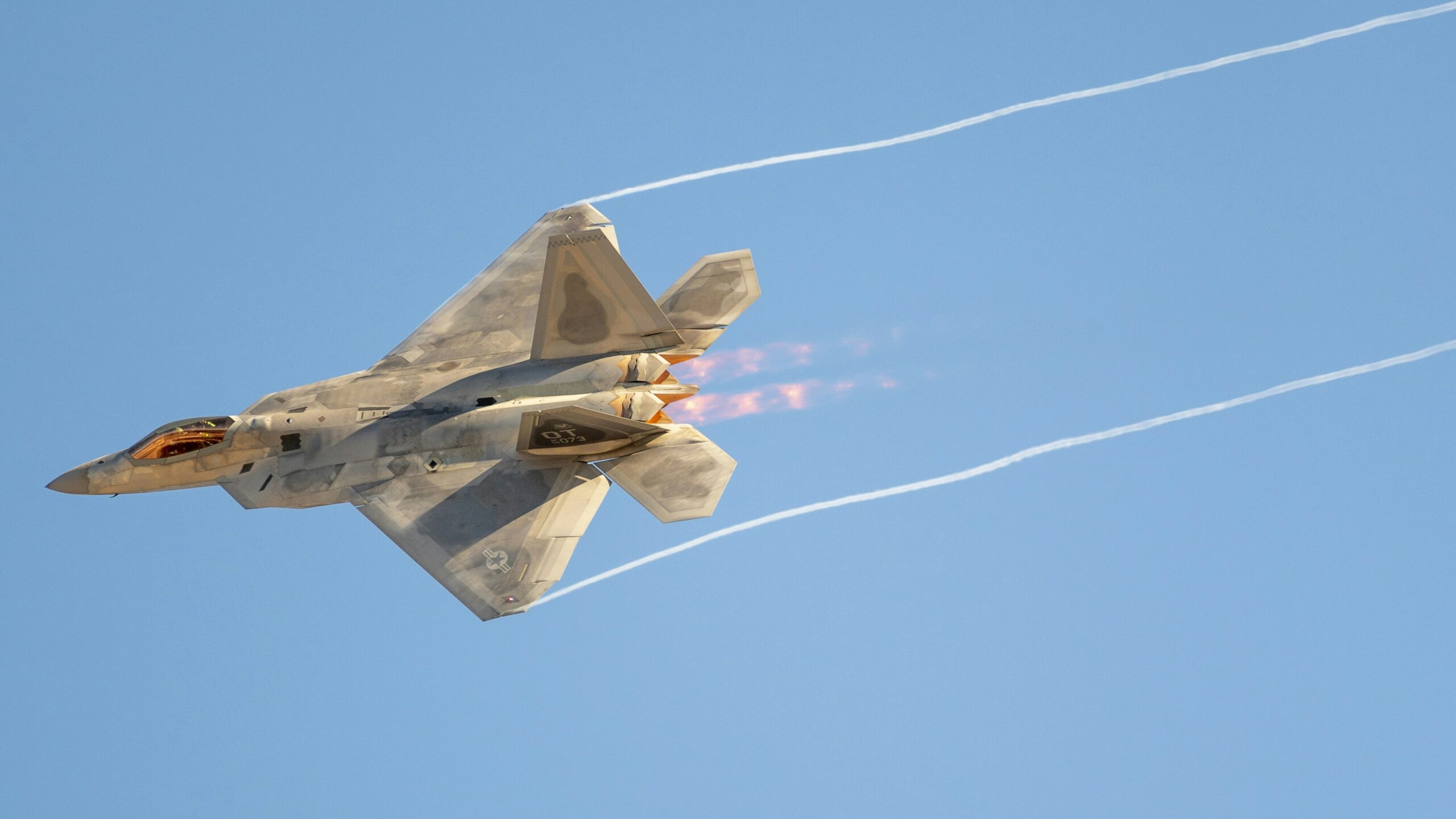
The strategic implications of these claims are significant for the broader balance of power in the region. If Iran has successfully degraded the air operations of the US and its allies to the extent claimed, it would indicate a high level of air defense proficiency and resilience against coalition air campaigns. Conversely, if the claims are exaggerated, they may serve a deterrent or propaganda function, intended to signal capability and resolve to domestic and international audiences. The development of underground production capacity further underscores a shift toward a protracted conflict strategy, where the ability to replace lost assets and maintain missile stockpiles is prioritized over rapid offensive expansion.
In response to these developments, US President Donald Trump has adopted a dismissive stance, emphasizing that no US casualties occurred during the conflict. This framing minimizes the severity of the reported engagements and seeks to control the narrative around US military effectiveness. By focusing on the absence of personnel losses, the administration is likely attempting to downplay the potential impact of the claimed aircraft losses. However, the loss of high-value air assets, even without immediate personnel casualties, can have long-term logistical and strategic consequences, including increased insurance costs, reduced operational tempo, and the need for accelerated replacement procurement.
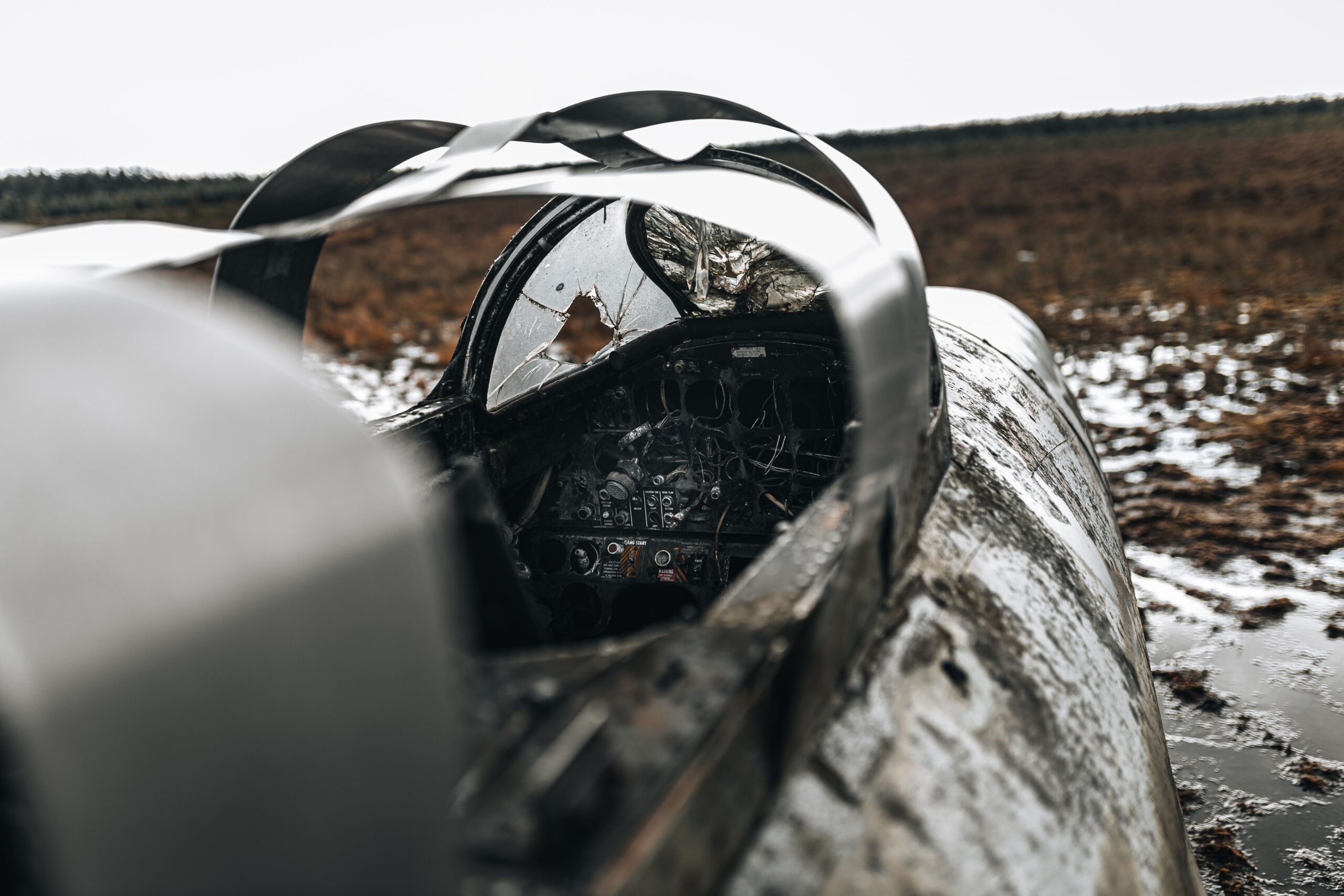
The discrepancy between the Iranian claim of massive aerial losses and the US assertion of no casualties highlights the challenges of information warfare in modern conflicts. Both sides are shaping public perception to suit their strategic objectives: Iran to demonstrate resilience and capability, and the US to project strength and minimize the perception of threat. The true extent of the damage inflicted on either side’s air power remains a critical unknown, with significant implications for future operational planning and diplomatic negotiations.
The situation remains fluid, with the verification of these claims dependent on further official disclosures or independent reporting. The focus now shifts to the sustainability of Iran’s underground production capabilities and the US and its allies’ ability to restore and maintain air superiority in the theater. The next phase of the conflict will likely see continued testing of these air defense systems and counter-air operations, with significant stakes for the regional security architecture.




One Comment