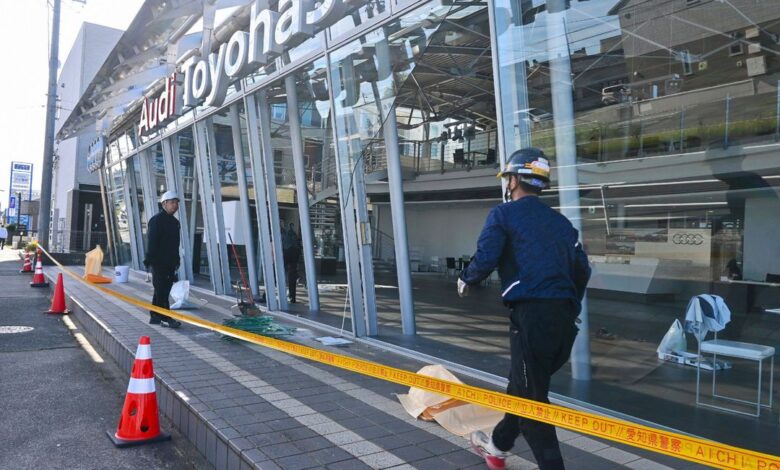
The seismic event was the strongest to hit Aichi prefecture in about three decades. In response to the shaking, local authorities suspended some train services. No tsunami warning was issued following the tremor. Officials from Chubu Electric Power Co., the operator of the Hamaoka nuclear power plant in Shizuoka prefecture, stated that no abnormalities were detected at the facility following the earthquake.
Japan lies on the Pacific Ring of Fire, directly atop four major tectonic plates, making it one of the most seismically active countries in the world. This geological context contributes to frequent seismic activity across the archipelago. The recent event follows a magnitude 7.1 earthquake that struck Kumamoto prefecture in southwestern Japan on July 28.

Separately, a 4.3-magnitude earthquake occurred in Kumamoto prefecture on Sunday morning. The source material does not provide specific injury or damage reports for this secondary event. The primary focus of the early Sunday response remains on the aftermath of the 5.7-magnitude quake in central Japan, where infrastructure disruptions and minor injuries are the documented impacts.
Monitoring continues by the JMA and relevant prefectural authorities. No further significant seismic activity has been reported in the immediate vicinity of the Aichi and Shizuoka epicenter in the provided data. The status of suspended train services and full extent of local infrastructure impacts remain subjects of ongoing local assessment, with no official declaration of major structural collapse or widespread emergency declared in the initial reports.