
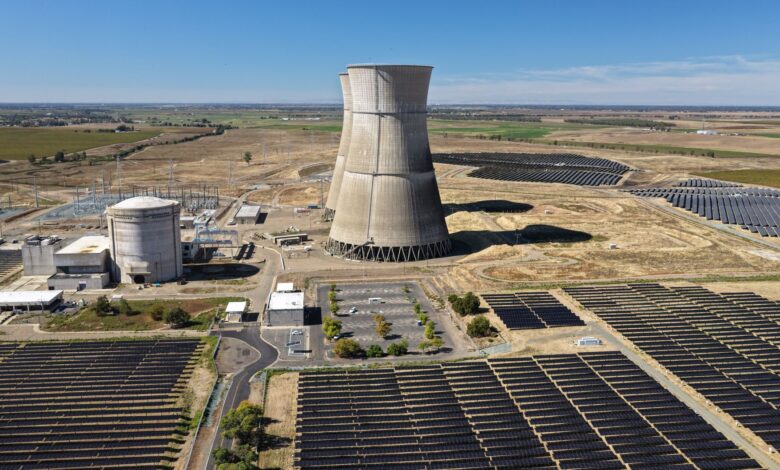
Zaporizhzhia produces no electricity for the grid; instead, it requires external power to operate the cooling systems necessary to keep the nuclear fuel safe. The plant has historically depended on two external power links, the Dniprovska and the Ferosplavna lines. The IAEA noted that the main Dniprovska line had been unavailable since October 23. With the recent disconnection of the Ferosplavna line, the plant is now isolated from the wider grid. According to the IAEA, the facility currently holds sufficient fuel reserves to operate its emergency diesel generators for about two weeks. This finite window represents a critical operational constraint, as prolonged reliance on generators is not a sustainable long-term solution for the safe operation of a nuclear power station.
The plant’s Russian-installed management addressed the incident via a statement on the MAX messenger app, attributing the shutdown of the Ferosplavna line to “automatic protection” mechanisms. The management asserted that staff are monitoring all operational parameters of the equipment and that all necessary measures to maintain the safe condition of the power units are being taken. They further reported that radiation levels on the site and within the surveillance zone remain normal. These claims align with the IAEA’s observation that the plant is currently managing the situation with backup systems, though the international body has not yet confirmed the root cause of the latest disconnection.
This latest disruption follows a period of relative stability established in early September, when a local ceasefire brokered by the IAEA took effect. That ceasefire was designed to allow engineers to conduct repairs to restore external power to the plant, which had been without it since August 20. The return to generator reliance suggests that the infrastructure surrounding the plant remains vulnerable to damage or interference, preventing the permanent restoration of grid connections. Since Russia seized the plant in the first weeks of the war that began with Moscow’s February 2022 invasion of Ukraine, both Moscow and Kyiv have regularly accused each other of military actions that compromise nuclear safety. The current situation adds to the uncertainty regarding the long-term security and stability of the facility’s operations.
The energy crisis at Zaporizhzhia is unfolding against a backdrop of broader attacks on Ukraine’s energy infrastructure. On the same day, a Russian overnight attack on energy facilities in Ukraine’s eastern Dnipropetrovsk region left more than 600,000 people without electricity, according to the Ukrainian power company DTEK. DTEK stated on Telegram that important energy facilities in the region were damaged. The Russian Defense Ministry claimed its forces had targeted energy infrastructure used by the Ukrainian military, as well as a container ship delivering weapons and military equipment to Ukraine southwest of the Black Sea port city of Odesa. The ministry also reported hitting a power substation in Ukraine’s Zhytomyr region, which supplied electricity to Ukraine’s defense industry.
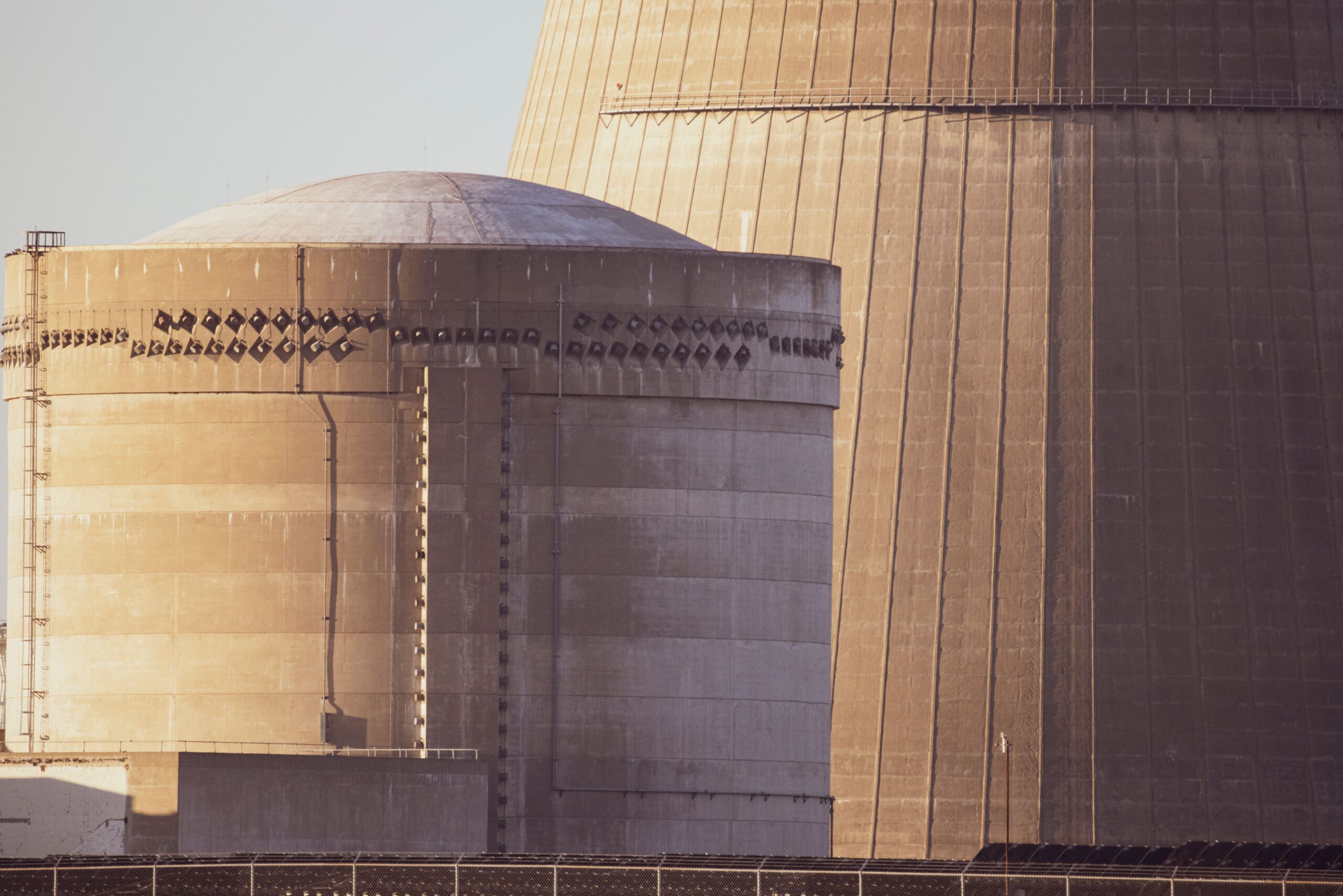
These simultaneous events illustrate the interconnected risks facing the energy sector in the region. While the Zaporizhzhia incident is a specific nuclear safety concern involving reactor cooling and grid isolation, the attacks on Dnipropetrovsk and Zhytomyr highlight the broader impact of military action on civilian power supply and industrial capacity. The loss of power for 600,000 residents in Dnipropetrovsk represents a significant disruption to local life and economic activity, distinct from but concurrent with the technical challenges at the nuclear plant. The IAEA’s role in monitoring the plant’s status and brokering previous ceasefires remains central to managing the immediate safety risks, yet the unresolved status of the disconnected power lines leaves the plant’s future operational independence in question.
As the plant’s management continues to monitor equipment parameters, the two-week fuel reserve for the diesel generators serves as a ticking clock for the restoration of external power. The IAEA has not yet provided a timeline for repairs or a new ceasefire arrangement to secure the power lines. Until the cause of the Ferosplavna disconnection is identified and the line is restored, Zaporizhzhia will remain in a state of heightened operational dependency on its limited backup systems. The situation at the plant and the wider damage to Ukraine’s grid underscore the ongoing tension between military objectives and the maintenance of critical energy infrastructure.





2 Comments