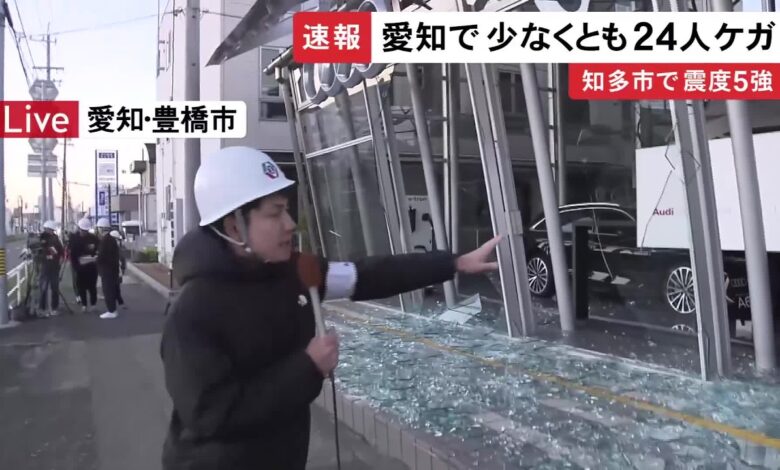
Official reports confirm that at least 22 people were injured, many of whom were hurt while attempting to evacuate buildings. In Tokoname City, a woman in her 50s fractured her ankle after falling on stairs during the tremor. Visual evidence from local television and news reports showed shattered store windows and scattered glass across streets. In Toyota City, books were thrown from shelves in a bookstore, piling up on the floor, while a showroom window at a foreign automobile dealership in Toyohashi City shattered. No tsunami warning was issued, and no significant shaking was reported in Tokyo.
Rail services were immediately affected as a precautionary measure against potential infrastructure damage. The Tokaido Shinkansen bullet train operated at reduced speeds between Shizuoka and Gifu-Hashima stations, resulting in delays. Concurrently, JR conventional railway lines and Meitetsu services were suspended across extensive sections of the network while operators conducted safety inspections. The earthquake was felt across a wide area, including the cities of Hamamatsu, Kyoto, and Nara, as well as neighboring prefectures such as Gifu, Yamanashi, and Nagano.
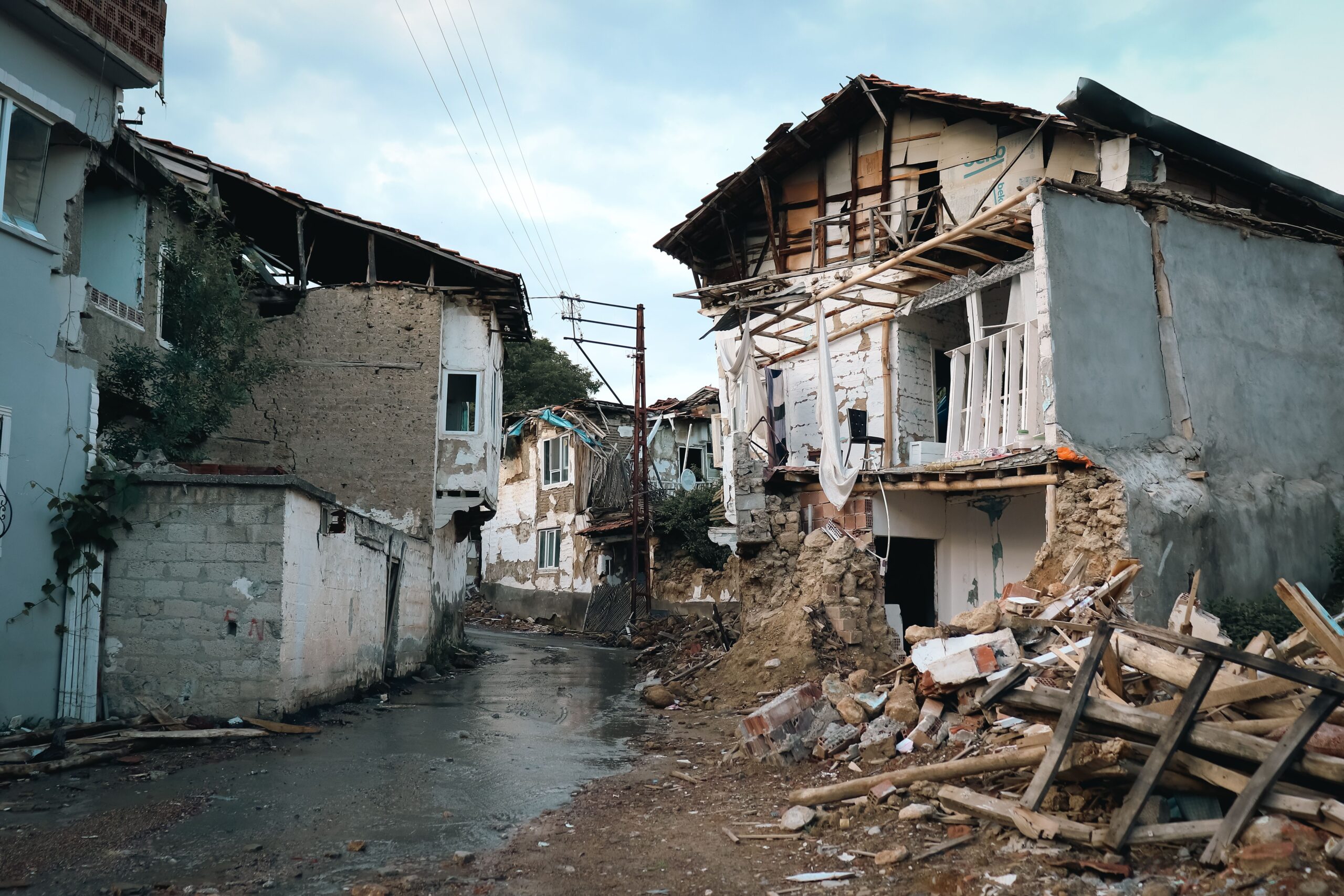
In an emergency press conference held shortly after 3 a.m., JMA official Ayaki Ebita warned residents to remain alert for further seismic activity over the next week, particularly in the two to three days following the initial quake. Ebita specifically noted that the risk of falling rocks and mudslides has increased in areas that experienced strong shaking, urging the public to monitor rainfall conditions. However, the agency stated that no apparent change was detected in the Nankai Trough plate, a seismic zone where scientists warn a megaquake could potentially strike.
Authorities in the quake-prone region have reiterated standard safety instructions, advising residents to stock up on essentials such as bottled water, food, and batteries, and to keep comfortable walking shoes accessible. The JMA continues to monitor the situation for any further impacts, with the magnitude figures currently described as provisional estimates pending final official confirmation.