
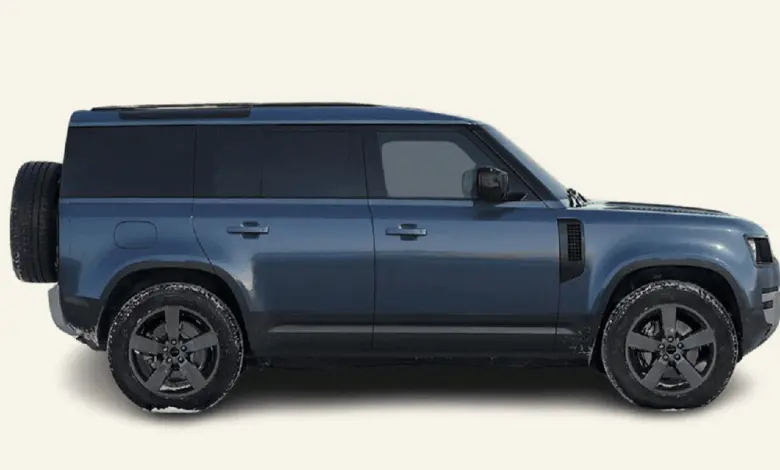
The conflict centers on the visual and design similarities between the BYD Ti 7 and the Land Rover Defender. While BYD describes the vehicle in marketing materials as having an “unapologetically boxy profile” that delivers an “imposing, chunky design,” JLR alleges the design infringes on its intellectual property. The Ti 7 is a seven-seat plug-in hybrid SUV that has begun pre-orders in the United Kingdom. According to available data, the BYD model is priced starting at £47,995, significantly undercutting the Land Rover Defender 110, which starts at £68,465 for a comparable seven-seat configuration. This price differential exceeds £20,000, positioning the BYD vehicle as a direct value competitor in the premium SUV segment.
Technical specifications for the BYD Ti 7 reveal a plug-in hybrid powertrain pairing a 1.5-litre turbocharged four-cylinder engine with a 35.6kWh battery and two electric motors. The system produces 402bhp, enabling a 0-62mph acceleration time of 4.8 seconds. Range estimates vary slightly between sources, with UK data citing 74 miles of all-electric range and other reports indicating up to 102 miles. The vehicle will feature a 15.6-inch touchscreen, leather seats, and 20-inch wheels as standard equipment. Deliveries for the Ti 7 are scheduled to commence in January 2027.

The legal and commercial overlap between the two manufacturers is significant. BYD currently sells more new-energy vehicles than any other automaker globally and is expanding its lineup in Europe, including the UK, where it aims to capture market share from established brands. The Japanese and European automotive sectors have increasingly faced pressure from Chinese competitors who offer similar design aesthetics at lower price points. Previous models, such as the Jaecoo 7, have already appeared on UK roads, suggesting a growing consumer appetite for these alternatives despite the “copycat” narrative.
JLR’s decision to employ bailiffs for the seizure of digital records indicates a serious challenge to BYD’s product integrity and design process. The outcome of this legal proceeding could set a precedent for how Western automakers protect their design rights against Chinese competitors in international markets. For consumers, the dispute does not immediately affect the availability of the Ti 7, as pre-orders are already open. However, the legal status of the vehicle’s design may influence its long-term market viability in regions like the UK and Europe.
The next key dates for this development will be determined by the court schedule in the Netherlands, where the legal proceedings are taking place. Additionally, the commencement of deliveries in January 2027 will serve as a practical test of the vehicle’s market reception, independent of the ongoing legal dispute. Stakeholders are monitoring whether JLR will seek an injunction to halt sales or if the case will proceed to a full trial on design infringement claims.