Herzog is expected to choose between Netanyahu and former military chief of staff Gadi Eisenkot. The decision will determine the starting point for the next phase of coalition negotiations, though it does not guarantee an immediate resolution to the political deadlock. Currently, Netanyahu serves as caretaker prime minister, a status that will continue until a new government is successfully formed and sworn in.
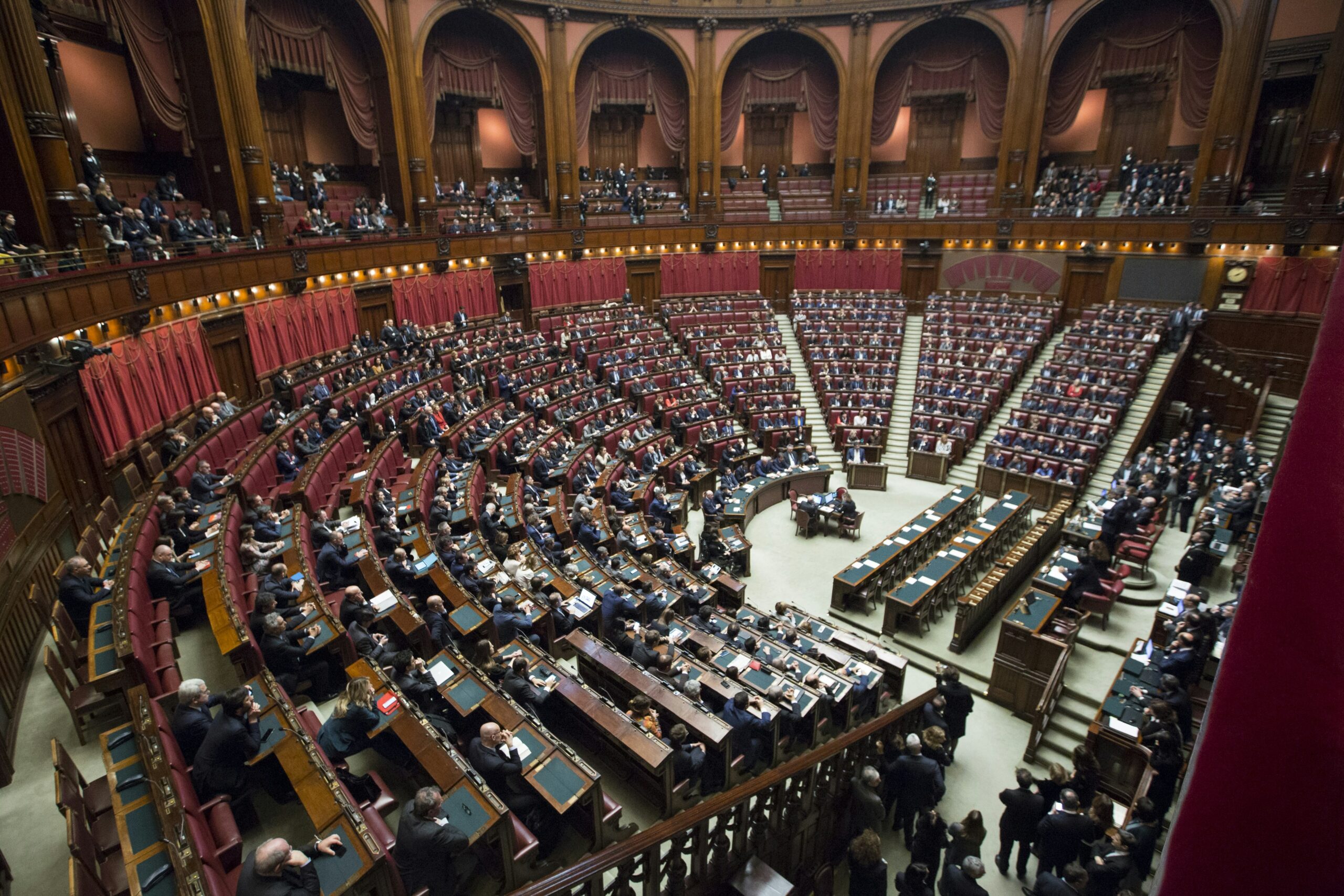
The parliamentary arithmetic in the Knesset, Israel’s 120-seat legislature, reveals a fragmented political landscape. Netanyahu’s bloc holds 53 seats, falling eight seats short of the 61 required to form a majority. In contrast, the Jewish opposition parties command 48 seats. Critically, the Arab parties hold a total of 19 seats, positioning them as a decisive factor in determining the balance of power. Without their support, neither camp can easily secure a stable majority.

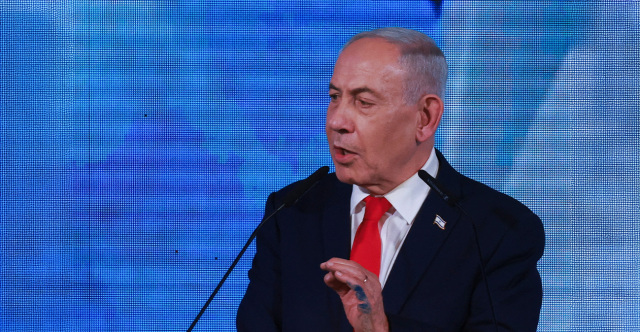
Netanyahu has explicitly rejected the prospect of a government supported by Arab legislators. In a forceful address, he characterized these parties as “supporters of terrorism” and argued that a coalition relying on them would be unable to defend the country against external threats. “Not only would such a government be unable to fight our enemies, it would tear us apart from within,” Netanyahu stated, adding that “our very existence is at stake.” He further linked domestic political divisions to broader security challenges, citing threats from Iran and its allies, and argued that radical Islam poses a danger both from outside and from within through Islamist parties.
Despite these warnings, Netanyahu is pushing for a “broad national government” under Likud leadership. He called on all forces of the national camp and other Zionist political entities to join a coalition headed by himself. However, his proposal comes with significant preconditions. Netanyahu insists that all his previous coalition partners, including far-right and ultra-Orthodox parties, must be included in any new government. Analysts suggest this strategy aims to keep his political camp united while simultaneously setting conditions that make it difficult for opponents to reach an agreement. By demanding the inclusion of these specific factions, Netanyahu is effectively raising the hurdle for any alternative coalition, thereby increasing the political cost for Eisenkot and reducing the prospects for an opposition-led government.
Gadi Eisenkot, who has secured the support of 67 lawmakers for a mandate, faces his own set of constraints. He has ruled out including the Arab parties in his government, a decision that significantly limits his available options for forming a stable coalition. With the Jewish opposition holding only 48 seats, Eisenkot’s refusal to partner with the 19 Arab legislators makes it mathematically difficult to reach the 61-seat majority threshold without additional support from other factions, a path that remains unconfirmed in the current political climate.
The confrontation highlights a strategic shift by Netanyahu, who is seeking to move the debate away from simple parliamentary arithmetic and toward the legitimacy of potential governing coalitions. By framing the issue as a choice between national unity and existential risk, he aims to increase the political pressures on Eisenkot and the opposition bloc. The depth of the divisions caused by the recent elections is evident in the rhetoric used, with Netanyahu warning of the risk of civil conflict if a government is formed with the support of the Arab parties.
As the deadline for Herzog’s decision approaches, the uncertainty surrounding the next steps in Israeli politics remains high. If neither Netanyahu nor Eisenkot can successfully form a government within the allotted time, the country may face the prospect of another election. For now, the focus remains on Sunday’s announcement, which will mark the beginning of the next phase of negotiations, though it may not immediately resolve the stalemate that has left the nation in a state of political limbo.