This incident is part of a broader pattern of maritime emergencies in one of the world’s most critical energy corridors. The Gulf of Oman serves as the primary approach to the Strait of Hormuz, a chokepoint through which a significant portion of global oil and gas flows. The security environment in this region has deteriorated significantly since February 28, following strikes by the United States and Israel on Iran. Since then, the Strait of Hormuz has witnessed a series of attacks on merchant vessels, and the United States has been enforcing a naval blockade against Iran in these waters.
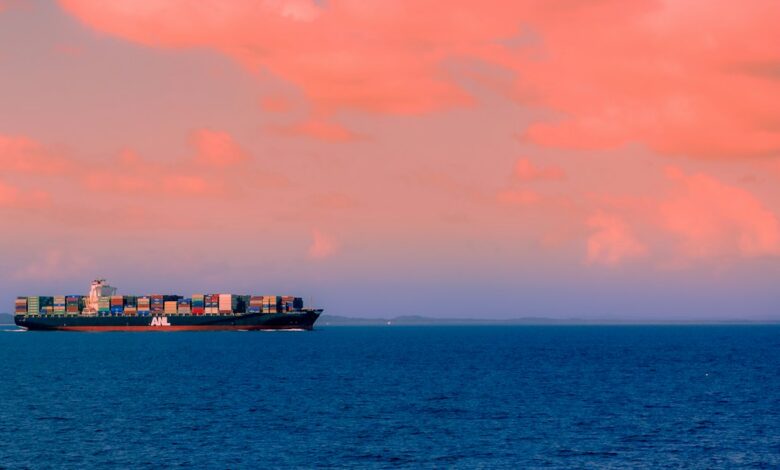
The details of the November 8 fire remain partially obscured. Neither the UAE National Guard nor the Coast Guard identified the specific ship, its flag state, or the cause of the fire. However, the operational timeline is clear: the Coast Guard unit received the report, specialized teams activated emergency procedures, located the vessel, and evacuated the crew. The National Guard stated that the operation demonstrated the “high level of readiness and field competence” of its personnel and their commitment to protecting lives and enhancing maritime safety.
Reports from the UK Maritime Trade Operations (UKMTO), the main point of contact for merchant ships reporting incidents in the region, add another layer of complexity. UKMTO noted a separate report on Saturday regarding an incident involving a bulk carrier and military forces east of Khor Fakkan in the UAE. It is currently unclear whether this incident is linked to the cargo ship fire. The ambiguity surrounding the involvement of military forces highlights the operational risks commercial vessels face in waters where state and non-state actors are actively engaged in conflict or enforcement actions.
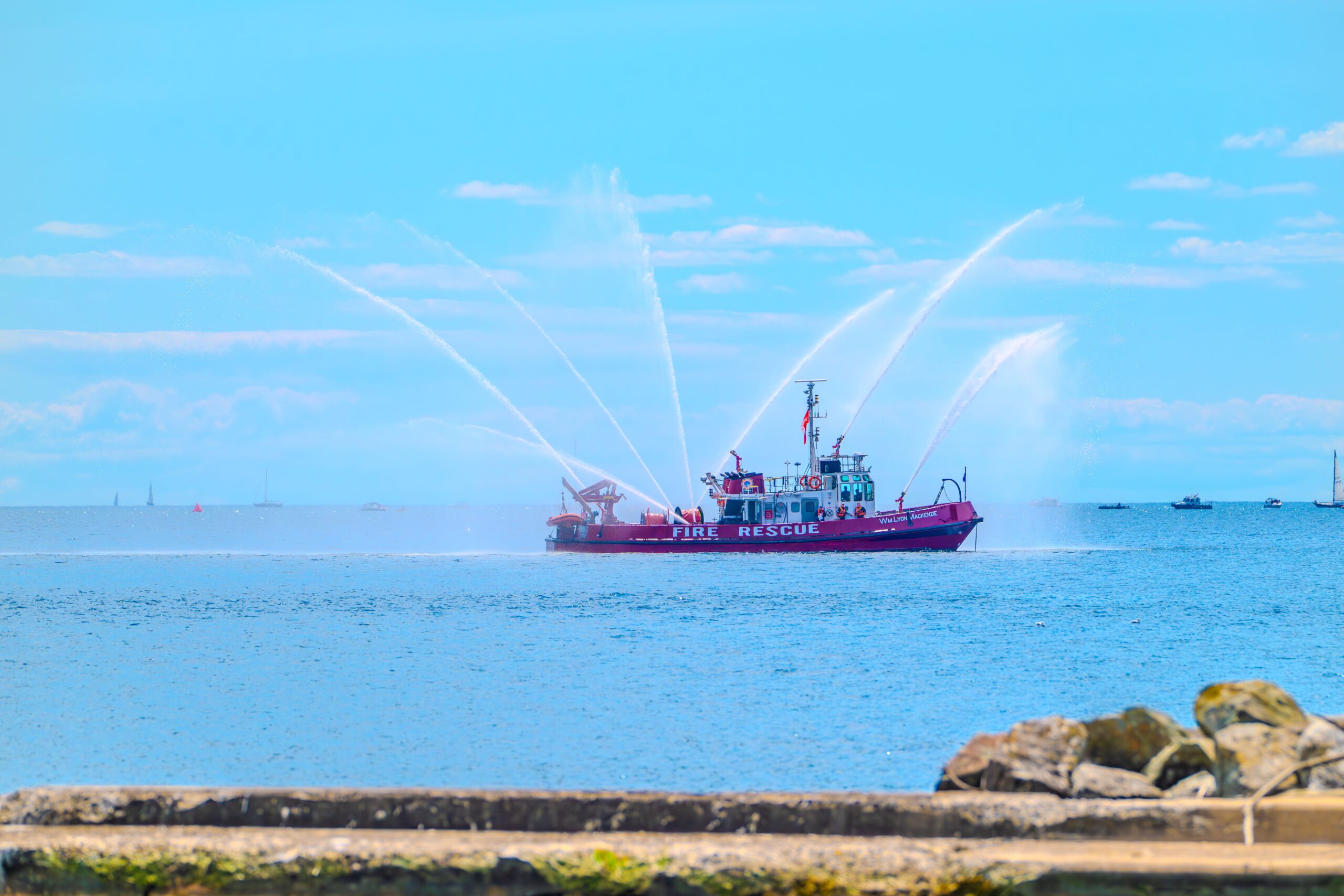
The frequency of such incidents in this specific sector has increased. Just one month prior, on October 10, the UAE National Guard’s Coast Guard Division rescued 22 Asian nationals after a fire broke out on an oil tanker in the Arabian Gulf. That operation followed a similar protocol: a distress call led to the activation of emergency response procedures, the location of the tanker, and the evacuation of the crew. The repetition of these events underscores the vulnerability of commercial shipping in the region, where fires, mechanical failures, or hostile actions can isolate crews in international waters.
Recent developments suggest that the threats to maritime trade are multifaceted. On late Saturday, the Iranian Islamic Revolutionary Guard Corps (IRGC) Navy claimed that two oil tankers had struck naval mines in and near the Strait of Hormuz. The IRGC accused the vessels of violating regulations by switching off their navigation and positioning systems and attempting to use unauthorized routes. One tanker was reportedly hit east of the strait, while the other was struck inside it. In a separate incident, US Central Command (CENTCOM) stated that US forces had disabled the St. Kitts-flagged M/V Huda, a commercial cargo vessel, after its crew allegedly ignored repeated warnings and attempted to breach the US naval blockade against Iran. The vessel was struck by precision munitions fired from a US military platform.
These events illustrate the high-stakes environment facing the global shipping industry. For commercial operators, the Gulf of Oman and the Strait of Hormuz have become zones of heightened risk, requiring strict adherence to navigation protocols and constant vigilance. The presence of naval mines, as alleged by the IRGC, and the enforcement of blockades by US forces create a complex web of hazards. The distinction between a civilian emergency, such as the fire on the unnamed cargo ship, and a military incident, such as the disabling of the M/V Huda, is increasingly blurred in the eyes of international insurers and shipping companies.
The economic implications of such instability are profound. Disruptions in the Strait of Hormuz can lead to increased insurance premiums, rerouting of vessels to longer, costlier paths, and delays in the delivery of essential commodities. While the 22 crew members rescued on November 8 were reported to be in stable condition, the incident serves as a stark reminder of the human cost of geopolitical tensions in maritime trade routes. The ability of regional authorities, such as the UAE Coast Guard, to respond swiftly to emergencies is critical in mitigating loss of life and maintaining some degree of order in chaotic waters.
As the situation evolves, the focus remains on the status of the vessel from which the 22 crew members were rescued. Whether the ship was salvaged, abandoned, or lost to the fire is not yet known. Furthermore, the potential link between the UKMTO report of a bulk carrier incident and the cargo ship fire remains under investigation. The next critical data points will come from UKMTO’s final incident reports and any official statements from the US Navy or Iranian authorities regarding the status of the waters. For now, the rescue of the 22 Arab nationals stands as a testament to the operational readiness of regional security forces, even as the broader economic and security landscape remains turbulent.