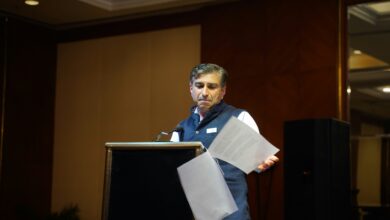
President Cyril Ramaphosa, who is also the leader of the ANC, addressed the nation at the count center, stating that the party accepts the will of the people. “We accept the will of the people however concerning it might be, we accept that this is how the people of South Africa in our towns, in our cities, in our metros have spoken – and this is their verdict, we accept it with humility,” Ramaphosa said. He characterized the decline as “concerning.” Secretary-General Fikile Mbalula used stronger language, describing the outcome as “catastrophic” and noting that the party had anticipated the disaster due to high cost of living pressures that turned the middle class against the ANC in large numbers.
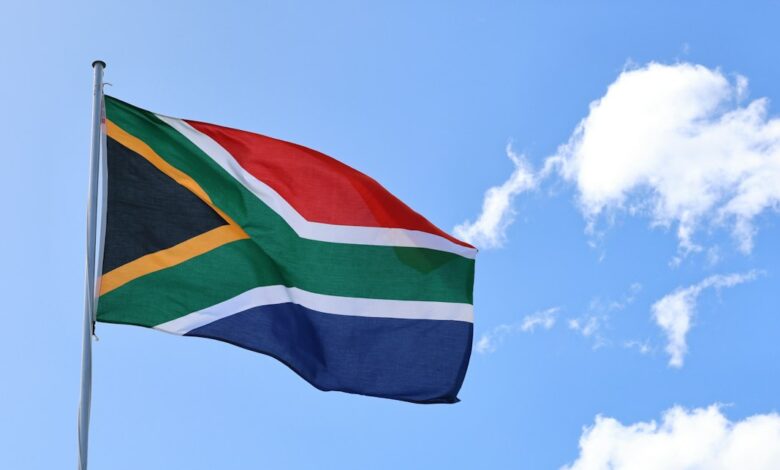
The election results indicate a significant shift in political power at the municipal and provincial levels. The ANC won a majority in only one of the country’s nine provinces, Limpopo, a sharp decline from the six provinces it controlled in 2021. In metropolitan areas, the party won the most votes in just two of the eight major cities, compared to six in the previous local elections. The Democratic Alliance (DA) emerged as the second-largest party nationally with 24.64% of the vote, retaining majority control of Cape Town. Former President Jacob Zuma’s MK party placed third with 9.76% of the vote, unseating the ANC as the leading party in the city of Durban. The Economic Freedom Fighters (EFF), led by Julius Malema, came fourth with 6.22%.
This local election defeat follows the ANC’s loss of its national parliamentary majority in the 2024 general elections, a first in its history. That loss forced the party to form the Government of National Unity (GNU), a coalition with multiple other parties. Political analyst Susan Booysen described the local results as a “devastating message” to the ANC, highlighting severe declines in support across municipal, metropolitan, and provincial levels. She attributed the drop in support largely to poor service delivery and infrastructure issues, including water and power shortages.
Voter turnout for the local elections was 52.29%, an increase from the 45.9% recorded in 2021, when voting took place during the COVID-19 pandemic. Although the DA made significant gains in urban centers, its overall national vote share rose only marginally from 21.83% in 2021 and remained below the 26.9% it achieved in 2016. The results set the stage for complex coalition negotiations at the local level, mirroring the national political landscape where no single party holds a majority.