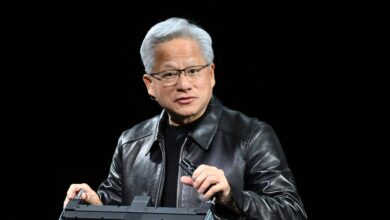
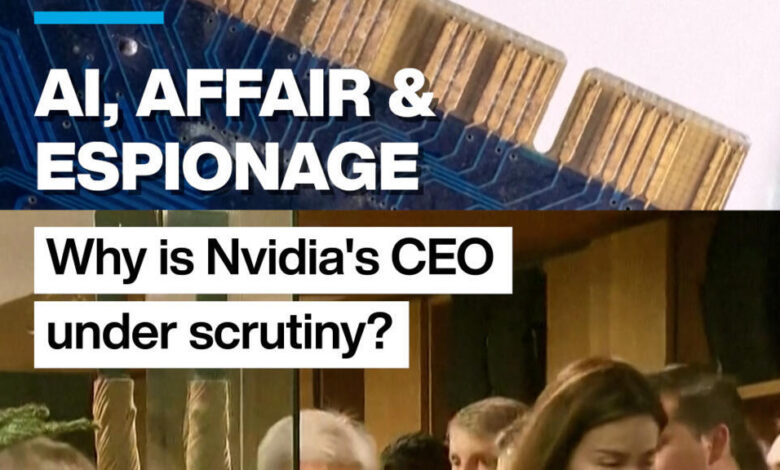
According to reports from France 24, the controversy centers on the personal conduct of Huang, the leader of the world’s most valuable semiconductor company. While the specific technical details of any data transfer or espionage remain unverified in the available source material, the allegation itself carries profound implications for the AI industry. Nvidia is at the forefront of the artificial intelligence revolution, producing the GPUs (Graphics Processing Units) that power large language models and data centers across the globe. The CEO’s personal connection to an alleged intelligence operative raises questions about the integrity of the leadership surrounding critical national security technologies.
The source material highlights a clear divergence in official stances. US officials maintain that the woman in question was working for Chinese intelligence, implying a potential security risk associated with her proximity to one of the world’s most powerful corporate leaders. In contrast, Beijing has categorically denied these claims. This diplomatic friction underscores the broader geopolitical landscape in which high-profile tech executives now operate, where personal relationships can become entangled with state-level strategic interests.
From a corporate governance and market perspective, this development introduces an element of uncertainty for Nvidia. As a company deeply embedded in global supply chains and subject to strict export controls on advanced AI chips, any perception of compromised leadership could impact investor confidence and regulatory oversight. The US government has already imposed various restrictions on the export of high-performance AI chips to China, citing national security concerns. An alleged breach of trust at the executive level could intensify calls for stricter vetting of corporate leaders in the technology sector.
It is important to distinguish between the confirmed fact of the relationship, which Huang has acknowledged, and the unproven allegation of espionage. The source material does not provide evidence of any actual data theft, leaked proprietary information, or compromised systems at Nvidia. However, the mere association with an alleged intelligence operative is sufficient to trigger significant media and political attention. This scrutiny is not merely about personal morality but about the intersection of corporate power, national security, and international relations in the age of AI.

The implications for the AI industry extend beyond Nvidia. As other technology leaders prepare for similar levels of geopolitical exposure, this incident serves as a cautionary tale for executives operating in nations with competing strategic interests. The trust deficit, if it materializes into regulatory action or public backlash, could affect the broader adoption of AI technologies that rely on the hardware and software ecosystems dominated by companies like Nvidia.
Currently, there is no indication that Nvidia’s operational capabilities or product development have been directly impacted by this personal controversy. The company continues to be a central player in the AI race, with its chips being essential for developing the next generation of intelligent systems. However, the narrative surrounding the company’s leadership will likely remain a focal point for both US and Chinese political discourse in the coming weeks.
The next significant development will likely hinge on further investigative findings from US authorities or any official response from Nvidia regarding internal security protocols. Until then, the situation remains a complex mixture of personal admission, geopolitical denial, and the ongoing battle for technological supremacy in the AI sector.