
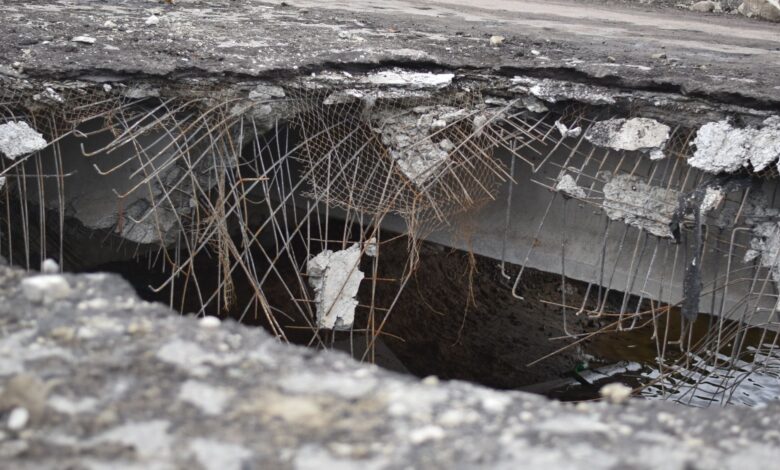
The Tarbela Dam is one of the largest earth-fill dams in the world and a cornerstone of Pakistan’s energy mix, providing both hydroelectric power and irrigation water. The T-5 project represents a significant expansion of this capacity, aimed at addressing the country’s growing electricity demand. However, the collapse of the protective barrier underscores the complex engineering challenges inherent in constructing large-scale hydropower facilities, particularly those located in seismically active and flood-prone regions. The incident serves as a stark reminder that while the long-term goal of energy security is critical, the interim phase of construction carries its own distinct set of operational and safety risks.
From an energy systems perspective, the T-5 project is not merely a construction site but a vital node in Pakistan’s grid. The dam’s primary function is to generate renewable electricity, reducing reliance on imported fossil fuels and stabilizing the grid during peak demand periods. The collapse of the barrier, however, temporarily disrupts this timeline. Engineering teams must now assess the extent of the damage to the protective structures, which are essential for controlling water levels and ensuring the safety of the dam’s core structure. Any delay in repairing these barriers could push back the commissioning of new generation capacity, leaving the grid dependent on existing infrastructure and potentially more expensive thermal generation sources.
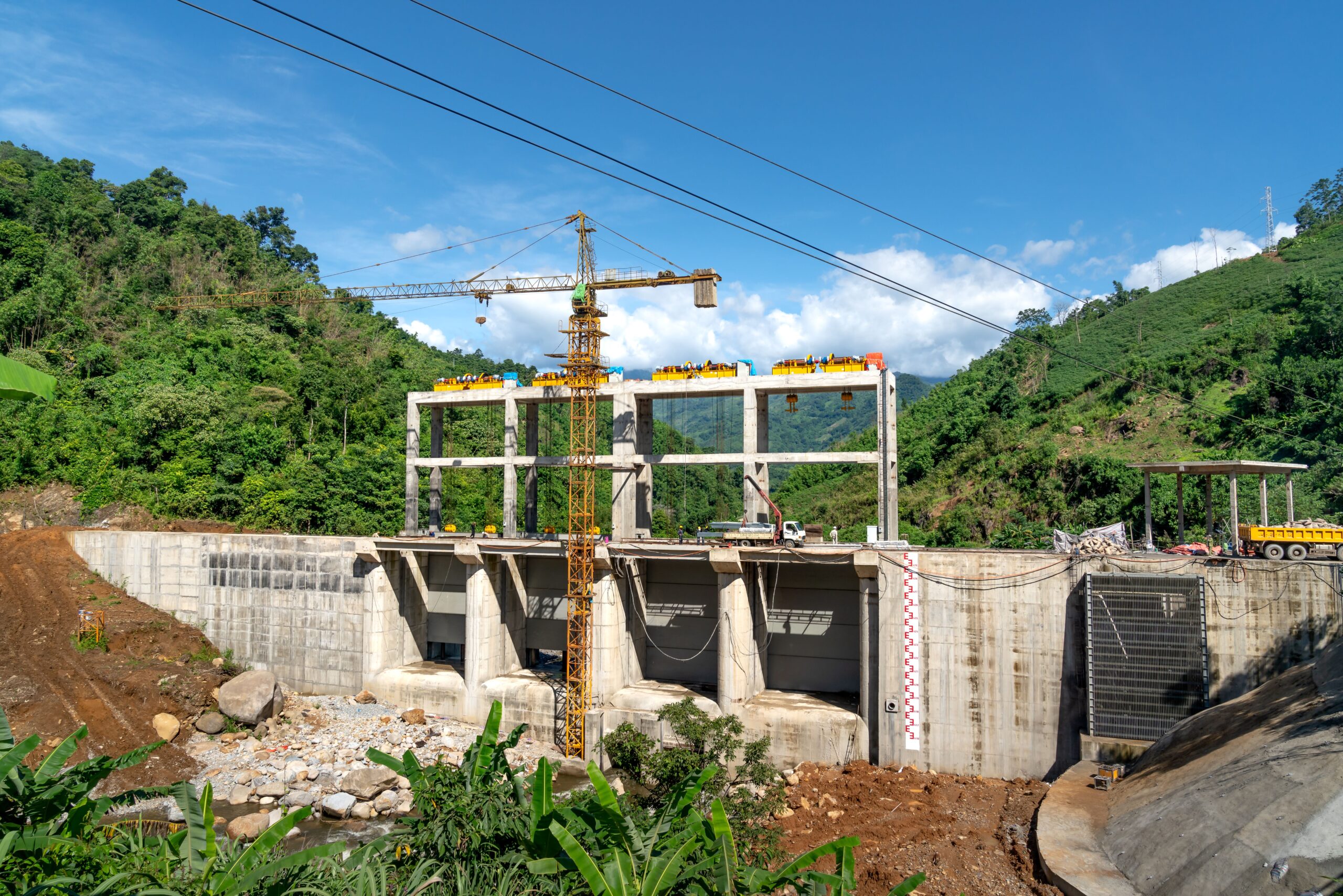
The immediate impact of the flood water surge extends beyond the construction site. While the specific volume of released water is not detailed in the initial reports, the term “surge” indicates a sudden increase in flow that can pose risks to downstream communities and agricultural lands. In the context of Pakistan’s climate, where monsoon seasons and glacial melt contribute to river discharge, managing water flow at Tarbela is a delicate balancing act. The protective barrier was likely in place to mitigate exactly this kind of uncontrolled release during the construction phase. Its failure forces a re-evaluation of the current water management protocols at the site, requiring grid operators and water authorities to coordinate closely to prevent secondary impacts on the broader hydrological system.
For the energy sector, this event highlights the importance of robust risk management in large infrastructure projects. The construction of hydropower plants involves massive earthworks, concrete pouring, and the management of significant water pressures. A failure in a protective component, even if it does not compromise the main dam wall, can have cascading effects on project timelines and costs. Investors and government bodies are likely to scrutinize the structural integrity of the remaining construction elements, potentially slowing down further progress until a full safety audit is completed. This scrutiny is necessary to maintain public confidence in the project and to ensure that the eventual addition of T-5 capacity to the grid is safe and reliable.
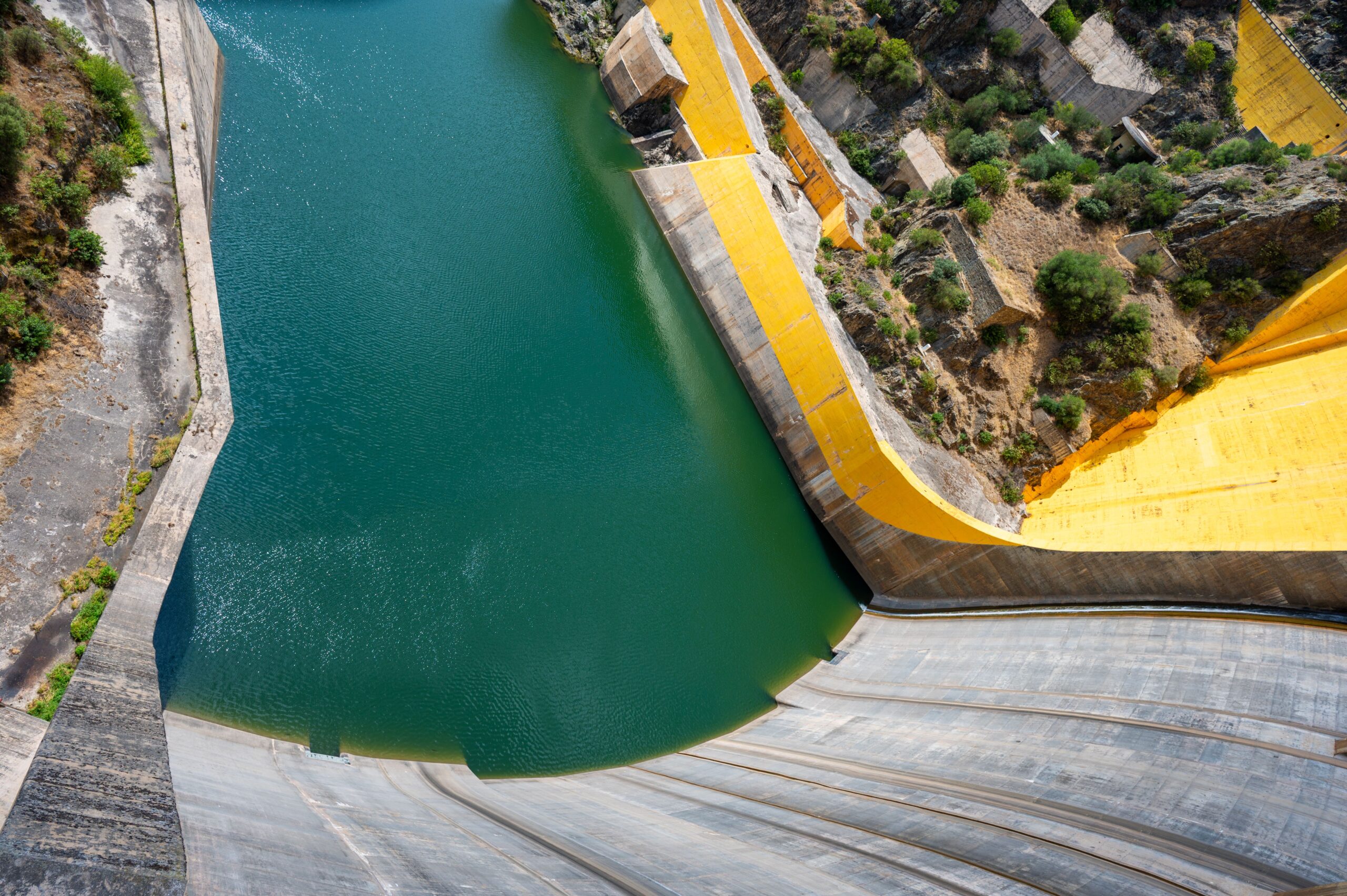
The broader energy significance of the Tarbela T-5 project lies in its potential to diversify Pakistan’s energy supply. Hydropower offers a low-carbon alternative to the gas-fired and coal-fired plants that make up a significant portion of the country’s grid. By bringing the T-5 units online, Pakistan aims to reduce its carbon footprint and lower the cost of electricity for consumers. However, the current setback serves as a reminder that the transition to a more sustainable energy mix is not without hurdles. Technical failures, weather-related disruptions, and construction challenges can all delay the realization of these benefits, requiring flexible planning and rapid response from energy authorities.
As the immediate aftermath of the barrier collapse is addressed, attention turns to the next verified developments in the project’s timeline. Engineers are expected to conduct a thorough assessment of the damaged barrier and the surrounding infrastructure to determine the cause of the failure. This assessment will inform the repair strategy and any necessary adjustments to the construction plan. For the local community and the national grid, the focus remains on restoring normal operations and ensuring that the surge of flood water does not lead to further complications. The incident at Tarbela T-5 is a pivotal moment in the project’s history, testing the resilience of the engineering teams and the adaptability of Pakistan’s energy planning in the face of unexpected challenges.