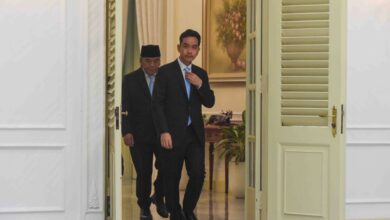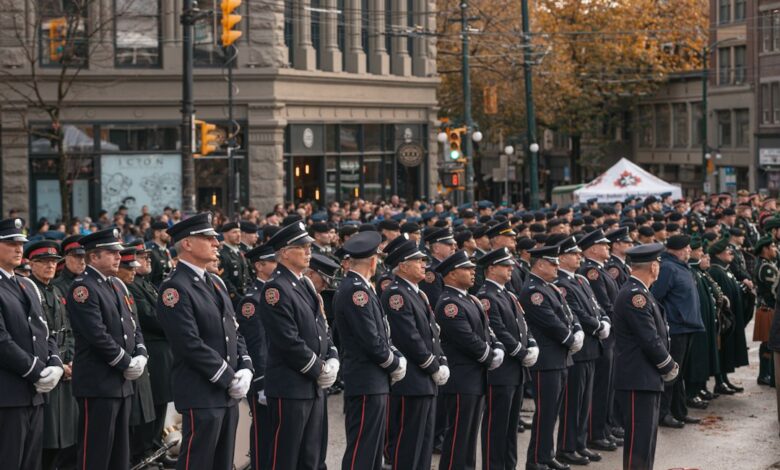
General Suyudi Ario Seto assumed the role of National Police Chief in early October 2026. Prior to this, his tenure was marked by an initial period of assessment before the implementation of this structural realignment. The specific officers affected include the regional leaders of Bangka Belitung Islands, North Kalimantan, and Lampung, among others. The inclusion of high-profile operational and investigative roles suggests that the new leadership intends to assert direct influence over the core functions of law enforcement and intelligence gathering within the first weeks of its mandate.
The institution has maintained a consistent public narrative regarding the nature of these transfers. In official statements, the National Police emphasized that job rotation is a standard human resource development mechanism carried out based on organizational needs. The authorities explicitly stated that mutations are not always related to violations or disciplinary issues. Instead, the rationale provided includes filling vacant positions, providing officers with varied assignment experience, and adjusting personnel competence to the specific requirements of different work units. This framing is designed to distinguish structural optimization from punitive measures, a distinction that is often scrutinized in public discourse surrounding police leadership changes.

The political and operational significance of this reshuffle lies in its impact on the continuity of governance and law enforcement. By replacing 19 Regional Police Chiefs, the central command is altering the local leadership in various provinces. These regional leaders are responsible for maintaining public security and order at the grassroots level. The change implies a review of existing regional strategies or a desire to align local enforcement more closely with the central headquarters’ directives. Johnny Eddizon Isir, representing the National Police, stated that officials who have received new assignments are expected to immediately make adjustments and carry out their responsibilities according to their authority. This expectation underscores the urgency placed on the new appointees to stabilize their respective units without disruption.
The structural changes also affect the central work units, particularly in the domains of criminal investigation and intelligence. The replacement of the head of the Dirtipideksus and the Deputy Head of the Intelligence and Security Agency signals attention to the handling of high-profile criminal cases and internal security protocols. The National Police stated that organizational structuring will continue to be directed to support the maintenance of public security and order, law enforcement, and public protection and service. The institution expressed appreciation to the previous officials for their contributions, a standard diplomatic protocol intended to maintain institutional morale and professional relations during personnel transitions.
While the institution frames these moves as administrative and developmental, the scale of the initial reshuffle raises questions about the strategic priorities of General Suyudi Ario Seto’s administration. The simultaneous movement of personnel across operational, investigative, educational, and special assignment positions indicates a comprehensive audit of the current command structure. There are no public reports of specific policy shifts accompanying these personnel changes, but the focus on “competence adjustment” suggests a potential recalibration of how resources are deployed across different police functions.

The immediate consequence of these orders is a period of transition for the affected units. The National Police noted that the next focus is on the performance of the new officials, specifically in maintaining the continuity of case investigations, strengthening regional police functions, and ensuring the quality of public service. The success of this restructuring will likely be measured by the stability of ongoing investigations and the consistency of service delivery in the weeks following the implementation of the telegram. As the new officers assume their mandates, the institution expects them to continue tasks that are already running, ensuring that the structural changes do not result in operational gaps.
The reshuffle concludes the initial phase of organizational structuring for the new chief. However, the long-term implications remain to be seen. The interaction between the newly appointed regional chiefs and the central command will determine whether these personnel adjustments lead to improved efficiency or introduce friction into existing operational workflows. For now, the focus remains on the execution of duties by the 107 transferred officers, who are tasked with providing optimal police services to the community under the new leadership structure.