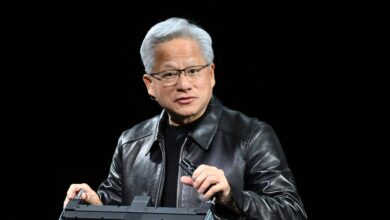
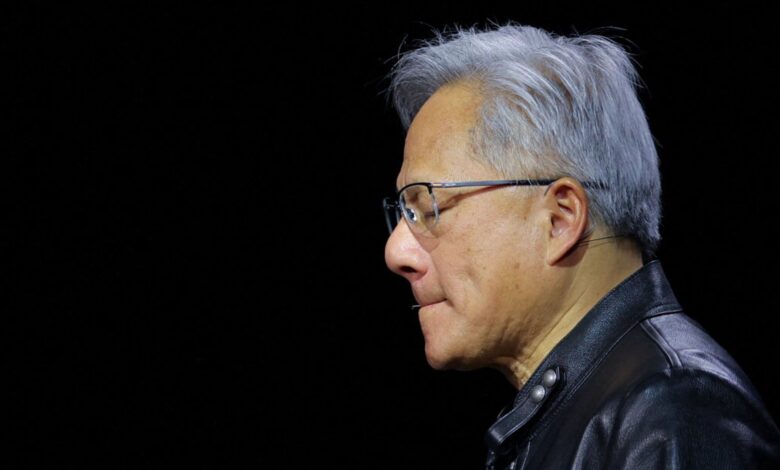
The probe was launched after a report in The New York Times alleged that Huang had a close personal relationship with Alice Huang, a former high-level executive at Singapore-based logistics company Megaspeed. US intelligence officials reportedly believe Alice Huang passed information to the Chinese government. The two Huangs are not related. In a message to employees, Jensen Huang stated he had been unfaithful to his spouse and affirmed his commitment to supporting the company’s board investigation and US national security.
The disclosure of an internal probe has intensified scrutiny of the CEO’s relationship with the US government, particularly his close ties to President Donald Trump. Huang is considered one of Trump’s closest allies in Silicon Valley, a relationship that has persisted since at least 2025. Their connection was highlighted in May when Huang flew with the President to China on Air Force One—the first such visit by a US President in nearly a decade—and in September when he attended a state dinner for Chinese President Xi Jinping at the White House. A Reuters reporter previously observed Huang’s full name in Trump’s phone contacts in December 2025. Additionally, Nvidia has committed $25 million to the construction of a planned White House ballroom, according to media reports.

The legal and regulatory fallout is already mounting. A lawsuit has been filed in the US District Court for the Northern District of California, alleging that Nvidia and Jensen Huang violated the Securities Exchange Act of 1934 by misleading investors. The complaint argues that the company’s statements that there was no evidence its chips were being diverted to China, and that Huang’s business dealings with Megaspeed were “normal,” were misleading because they failed to disclose Huang’s relationship with the suspected spy. The plaintiffs claim this omission concealed national security concerns that could threaten the company’s reputation and future commercial expectations, and they are seeking damages for investors.
Politicians are also demanding accountability. Senator Chris Coons, a Democrat from Delaware, stated on X that he is pushing for an investigation to determine if US national security was compromised. He questioned the decision-making process within the administration, asking, “who’s really got their hand on the wheel?” Meanwhile, Democrats on the House Foreign Affairs Committee, including Representatives Gabe Amo, Gregory Meeks, and Sydney Kamlager-Dove, wrote to Commerce Secretary Howard Lutnick. They have requested answers by December 1 on whether the Commerce Department was aware of intelligence linking Alice Huang to Chinese efforts to obtain Nvidia chips and whether there was any communication with Secretary of State Marco Rubio regarding the matter.
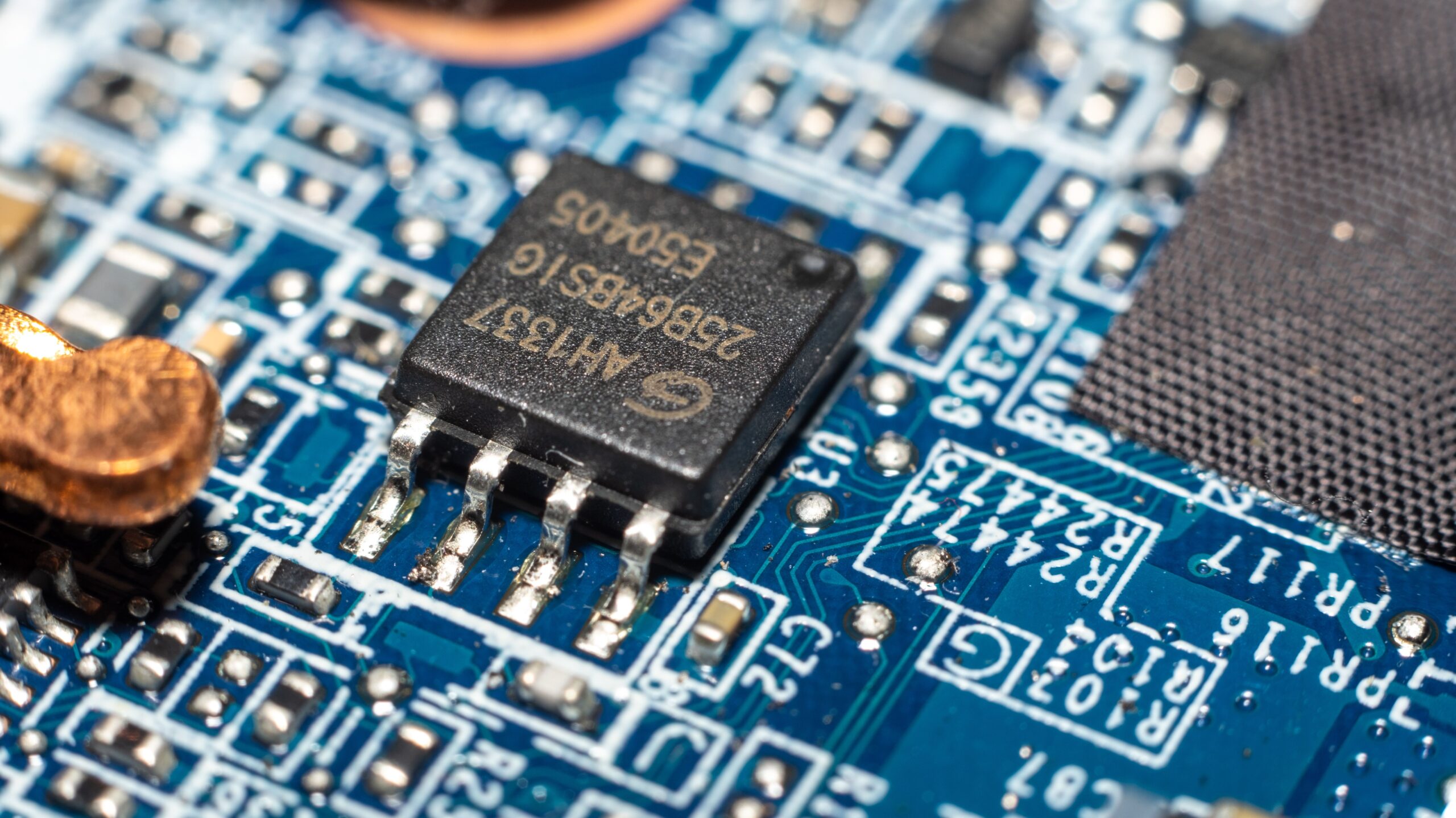
The core of the inquiry centers on the tension between Nvidia’s business interests in the Chinese market and US export controls designed to stifle China’s AI capabilities. Advanced chips are viewed as the backbone of the AI boom, and the government has previously restricted their export to China. Lawmakers are now asking if the department knowingly permitted exports despite credible national security concerns. If the Commerce Department was briefed and did not act, or if it was not briefed at all, the letter states, the American people deserve an explanation.
Nvidia’s board, which announced the investigation on November 8, has not yet released findings. The situation remains fluid, with the outcome potentially impacting the company’s ability to operate in key markets and its standing with the US government. For now, the focus remains on whether the relationship between the Nvidia CEO and the suspected spy constituted a breach of trust that compromised US technological advantages.