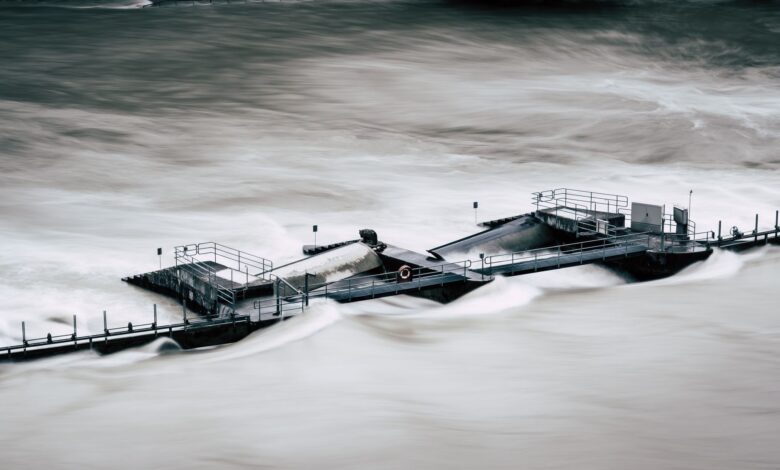
The central development is the failure of the containment infrastructure at this specific phase of the T-5 project, one of several stages in the expansion of Pakistan’s largest hydroelectric facility. The Tarbela Dam complex is a critical component of the country’s energy grid and water management system. The collapse of the protective barrier, rather than a catastrophic breach of the main dam wall, indicates a failure in the temporary or auxiliary structures used during the construction process. This distinction is vital for understanding the scope of the environmental and safety impact. The surge of water, described in reports as “tons of water” rushing in “with nothing left to stop it,” highlights the immense hydraulic pressure present in the reservoir and the risks inherent in large-scale hydraulic engineering projects.
The human impact of the incident was immediate but contained. One worker was swept away by the torrent, a perilous situation given the speed and volume of the released water. However, emergency crews successfully rescued the individual. Officials have confirmed that no casualties resulted from the event. The rapid evacuation of other workers by emergency services prevented further injury. The rescue of the swept-away worker underscores the efficacy of the emergency protocols in place at the site, despite the sudden onset of the flood surge. The incident serves as a stark reminder of the dangers faced by workers in high-risk infrastructure environments, where the interaction between massive water volumes and complex engineering structures can lead to sudden, violent changes in local hydrology.
From an environmental and engineering perspective, the event raises questions about the integrity of temporary structures during the construction phase of major hydropower projects. The Tarbela Dam system is located in a seismically active region and is subject to varying water levels depending on the monsoon season and glacial melt. While the sources do not provide specific meteorological data linking the collapse to a particular weather event, the presence of “flood water” suggests that high water levels or flow velocities may have contributed to the stress on the barrier. The failure of a protective barrier, while not a disaster of the scale of a main dam breach, represents a significant operational hazard. It disrupts the construction timeline and necessitates a thorough investigation into the structural causes of the failure.
The broader context of the Tarbela Dam project involves balancing energy production needs with the challenges of maintaining structural safety in a changing climate. As climate change impacts precipitation patterns and glacial melt rates in the Himalayas, dams in the region face increased hydraulic loads. The T-5 project, being a later stage of the complex, is designed to add further capacity to the system. The incident, while localized, highlights the ongoing tension between the urgency of energy infrastructure development and the rigorous safety standards required to manage such powerful natural forces. The lack of casualties is a positive outcome, but the event is a documented instance of infrastructure failure that requires detailed technical analysis to prevent recurrence.
Uncertainties remain regarding the precise mechanical cause of the barrier’s collapse. Without detailed engineering reports, it is impossible to determine whether the failure was due to material fatigue, design flaws, excessive water pressure, or external factors such as seismic activity. The sources agree on the facts of the collapse, the evacuation, and the rescue, but they do not provide independent verification of the structural mechanics involved. The term “partial collapse” is used consistently, suggesting that the main dam structure was not compromised. However, the extent of the damage to the T-5 construction site and the subsequent impact on the project’s timeline are not detailed in the available reports.
Over time, this incident may lead to stricter safety protocols and more rigorous monitoring of temporary structures at the Tarbela site. It serves as a case study for other large-scale hydropower projects in the region, emphasizing the need for robust emergency response plans. The successful rescue of the worker and the evacuation of the site demonstrate that while the risk is high, preparedness can mitigate the human cost. The environmental impact appears limited to the construction zone, with no reported leakage into downstream ecosystems or communities. The focus now shifts to the repair of the barrier and the resumption of work under enhanced safety measures, ensuring that the expansion of Pakistan’s hydropower capacity proceeds without further incident.
The scene at the Tarbela T-5 project site is now one of assessment and repair. The surge of water has receded, leaving behind the debris of the collapsed barrier and the traces of the emergency response. The workers who were evacuated are returning to the site, likely under new safety directives. The unresolved pressure remains on the engineering teams to identify the cause of the failure and implement corrective actions. The next verified development will be the official engineering report detailing the structural failure and the subsequent approval for the continuation of the T-5 project, ensuring that the dam complex remains a safe and reliable source of energy for Pakistan.