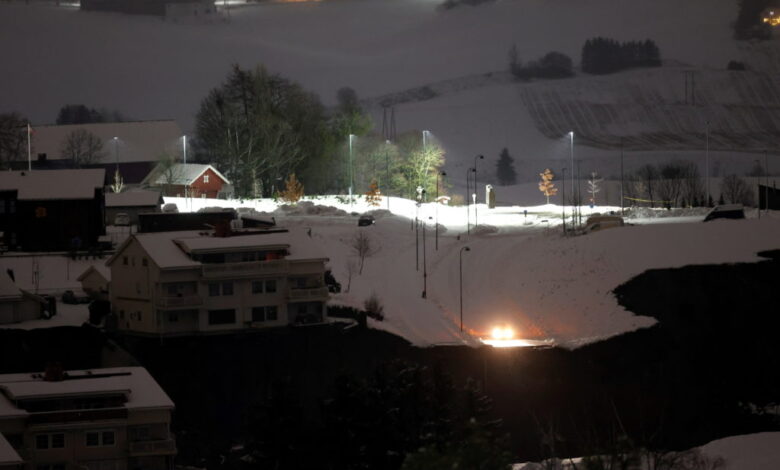
The human toll of the incident is significant and remains a primary focus of the emergency response. Authorities have reported that at least 10 people were injured in the slide, with one person sustaining serious injuries and nine suffering lighter wounds. More critically, 21 individuals registered as living in the affected area are currently unaccounted for. Police spokesman Roger Pettersen indicated to the Norwegian news agency NTB that while there were no initial reports confirming missing persons, officials could not rule out the possibility that residents remained trapped within collapsed structures. “The 21 people may have evacuated themselves but may also still be in the landslide area,” Pettersen stated, highlighting the uncertainty surrounding their status as search and rescue operations continue. In total, approximately 700 people were evacuated from the vicinity due to fears of secondary landslides.
The environmental mechanism behind this disaster is rooted in the specific geology of the region. The area where Ask is situated is known for the prevalence of “quick clay,” a geological formation that presents a unique hazard. Unlike standard soil, quick clay can exist in a solid state under normal conditions but has the capacity to change rapidly into a liquid form when disturbed or subjected to sufficient water saturation. This phase change reduces the shear strength of the ground, causing it to flow like a fluid rather than behaving as a solid mass. The village of Ask, home to approximately 5,000 residents, has a documented history of landslides, suggesting that the underlying geological instability is a persistent and known risk factor for the community.
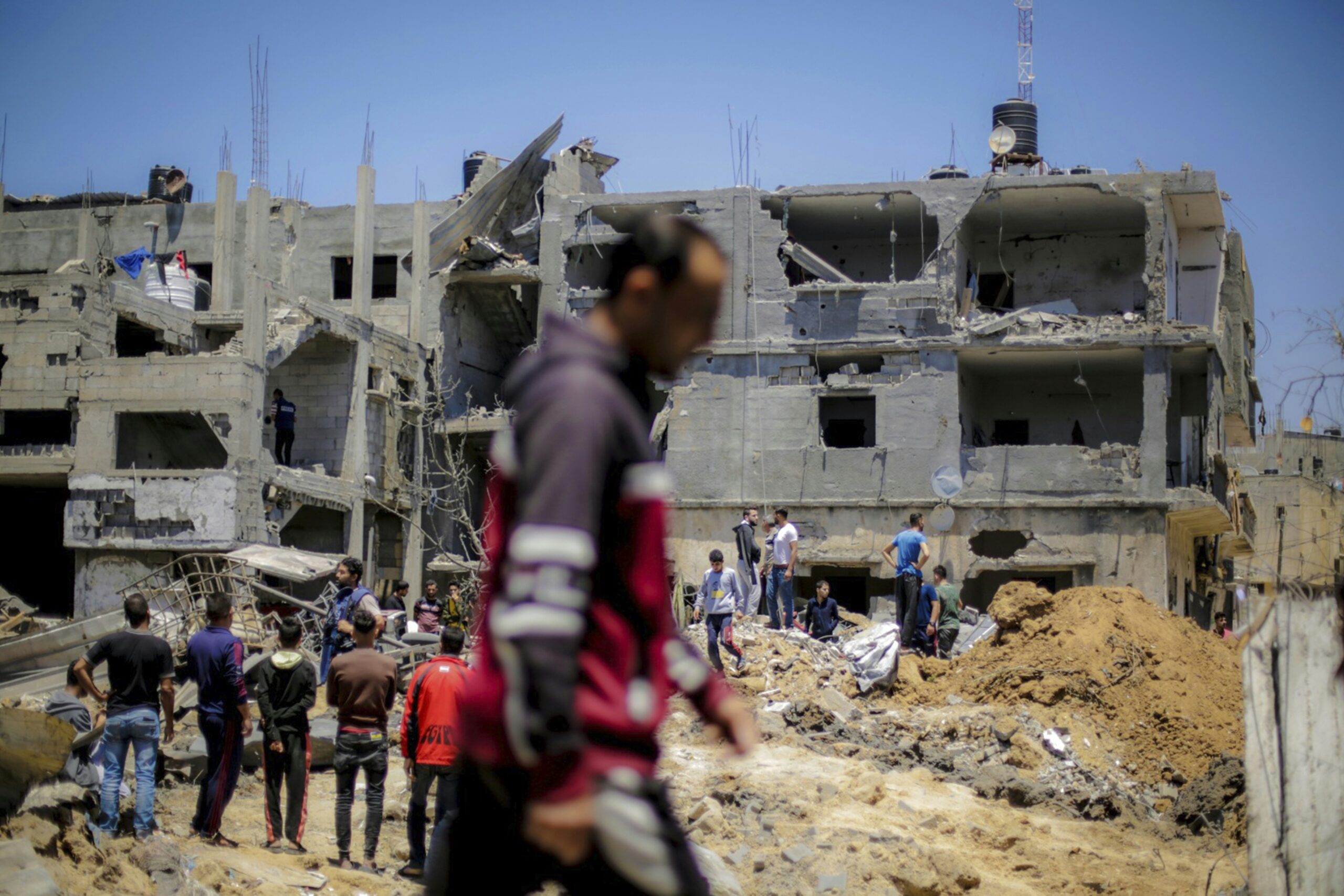
Weather conditions at the time of the incident appear to have exacerbated the geological vulnerability. Reports indicate that the area was experiencing challenging winter conditions, including snow and full winter weather patterns. While the specific attribution of the trigger—whether it was solely the weight of accumulated snow, saturation from melting, or a combination of factors—requires further forensic geological analysis, the presence of heavy winter precipitation is a documented contextual factor. The interaction between the unstable quick clay and winter weather conditions likely contributed to the rapid failure of the slope, resulting in the destructive slide that cut through the residential zone.
The response to the disaster has involved a coordinated emergency effort, with Norwegian Prime Minister Erna Solberg characterizing the event as “probably one of the biggest landslides we have had, and with the biggest consequences.” In a public statement, Solberg expressed sympathy for the affected community, noting, “It hurts to see how the forces of nature have ravaged Gjerdrum. My thoughts go to all those affected by the landslide. Now it is important that the emergency services get their job done.” The prime minister’s comments underscore the severity of the event within the national context, marking it as a major natural disaster in the immediate vicinity of the capital.
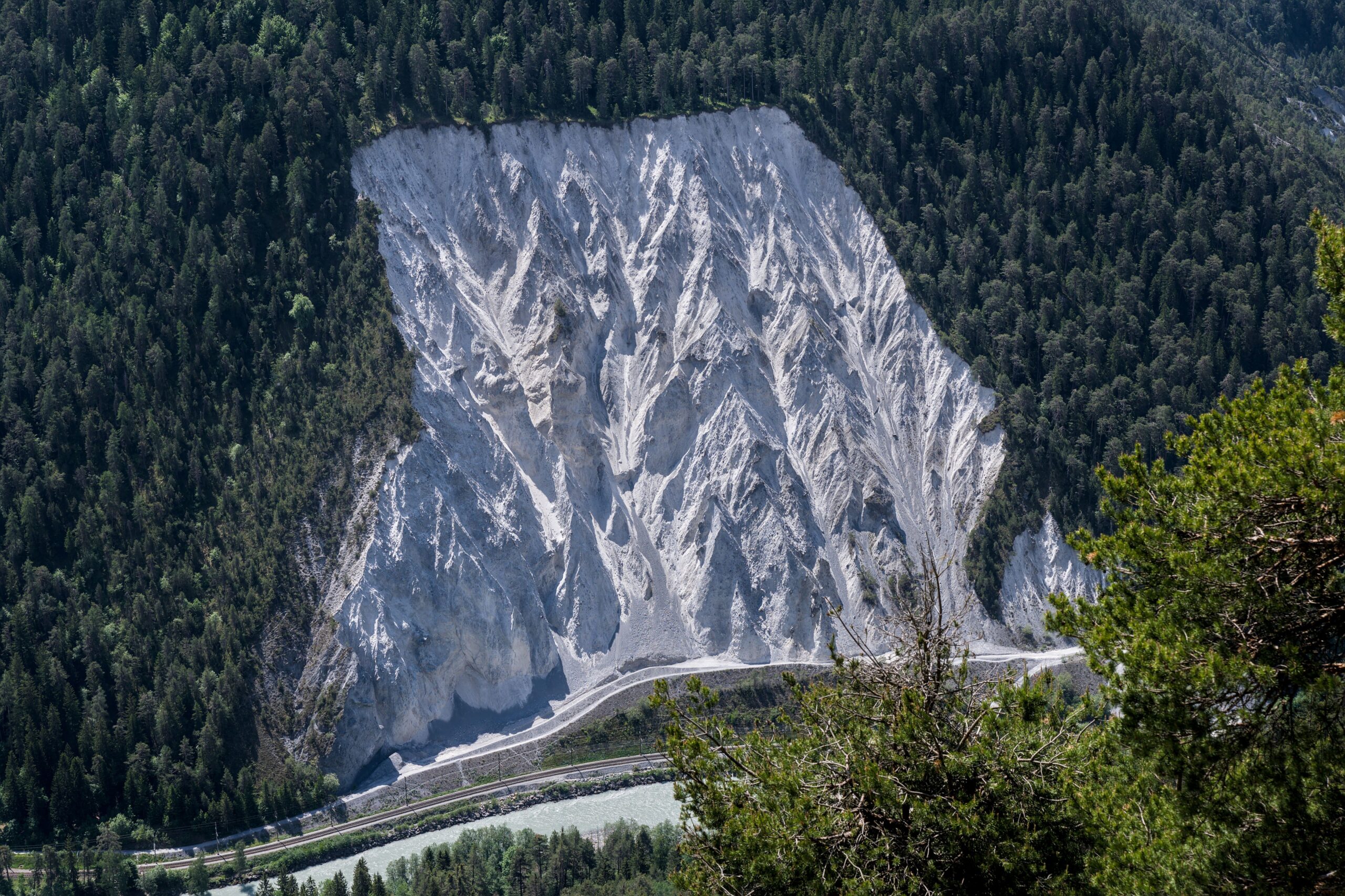
As of the latest reports, the focus remains on the search for the 21 missing individuals and the security of the evacuated population. The presence of quick clay in the region means that the risk of further ground instability likely persists, necessitating careful monitoring of the surrounding areas. The incident serves as a stark reminder of the hazards posed by specific geological formations when combined with seasonal weather events. While the immediate danger of the initial slide has passed, the uncertainty regarding the location of the missing residents and the potential for additional ground movement continues to define the situation in Ask. Authorities are working to determine the exact status of the unaccounted-for residents while managing the ongoing risk to the broader community.