The conflict has caused severe market disruptions, with European gas prices (TTF) rising between 60% and 100% since the start of the crisis. Brent oil prices have exceeded $100 per barrel, reaching over $116 on Monday. The closure of the Strait of Hormuz has halted traffic that previously saw around 135 ships pass daily; reports indicate more than 350 vessels, including 200 oil tankers and 70 LNG carriers, are now awaiting permission to transit. This bottleneck threatens global supply chains and has compounded the impact of strikes on Qatar’s Ras Laffan facility, which affected roughly 17% of Qatari export capacity.
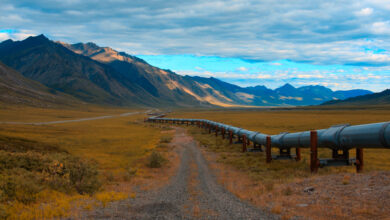
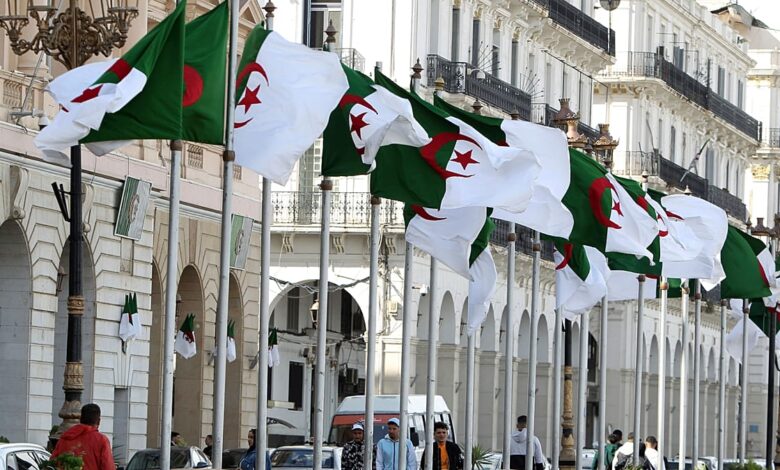
Algeria is positioned to fill part of this gap due to its geographic proximity and existing pipeline infrastructure. In 2025, Algeria supplied the EU with 39 to 40 billion cubic metres of gas, accounting for 13–14% of total imports. This volume significantly exceeds Qatar’s exports to Europe, which did not exceed 12 billion cubic metres (3.8% of total imports). Most Algerian gas reaches Europe via pipelines—TransMed to Italy and Medgaz to Spain—routes that are generally cheaper and less exposed to geopolitical risks than maritime LNG transport. Pipeline flows have already increased by 22% in January 2026, with further increases recorded through March.
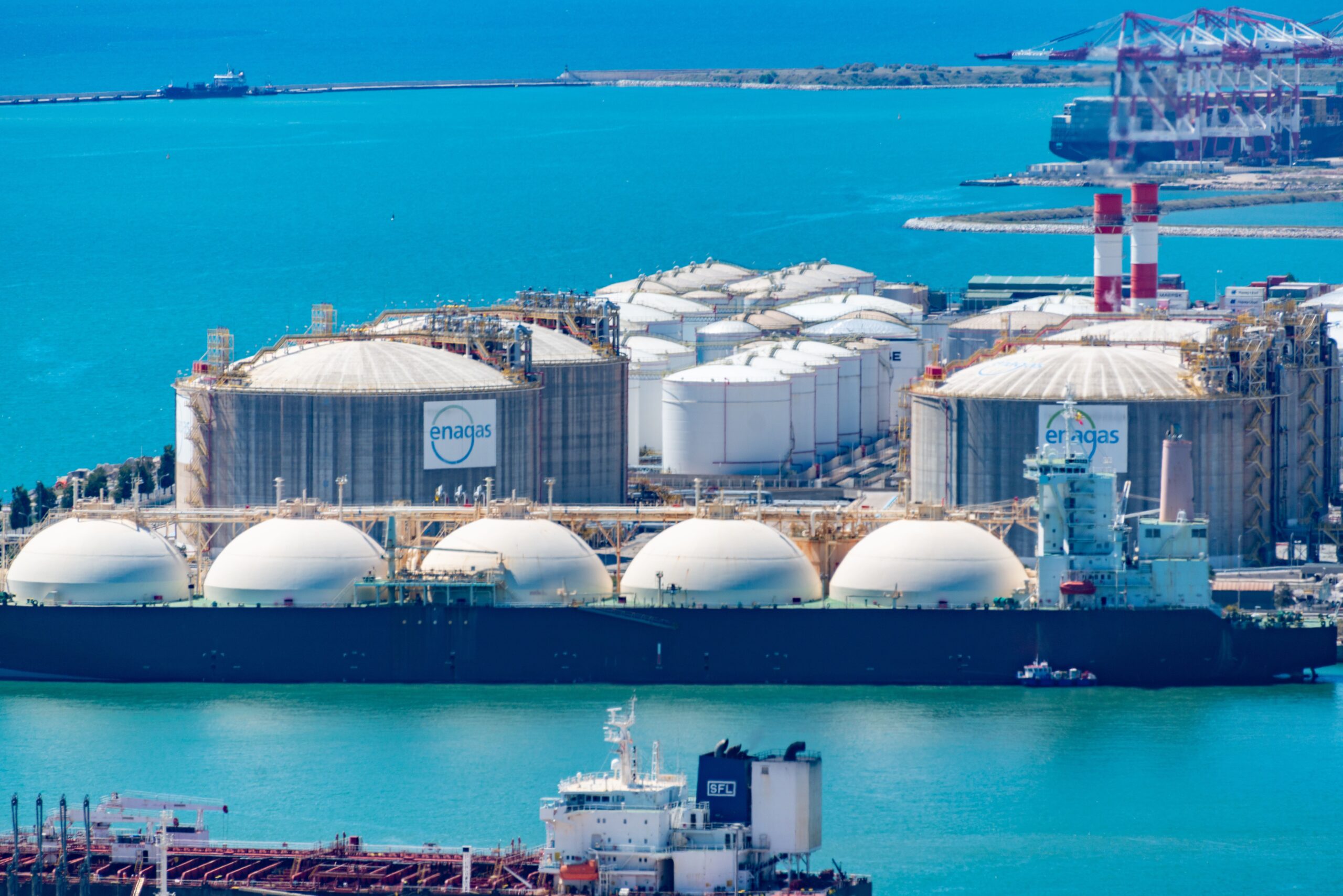
European nations are actively negotiating to increase these flows. Madrid has discussed raising deliveries by up to 10% via the Medgaz pipeline, while Rome is seeking higher volumes through TransMed. However, Algeria faces significant constraints in meeting all additional demand. Production facilities are operating near full capacity, domestic demand is growing by 3–4% annually, and some older fields are in decline despite new developments like Hassi Bahmou. Consequently, Akl estimates that any increase in Algerian supply for 2026 will likely be limited to between 4 and 8 billion cubic metres.
The situation poses a risk of a genuine energy crisis next winter, characterized by higher bills and pressure on industry, particularly in Germany and Italy. European gas storage levels have fallen to between 30 and 46 billion cubic metres at the start of 2026, significantly lower than in previous years. As Europe races to replenish reserves over the summer, it faces stiff competition from Asian markets. Algeria is also working to expand its LNG production, currently around 25 million tonnes per year, and is reviewing export prices to align with its economic interests.