
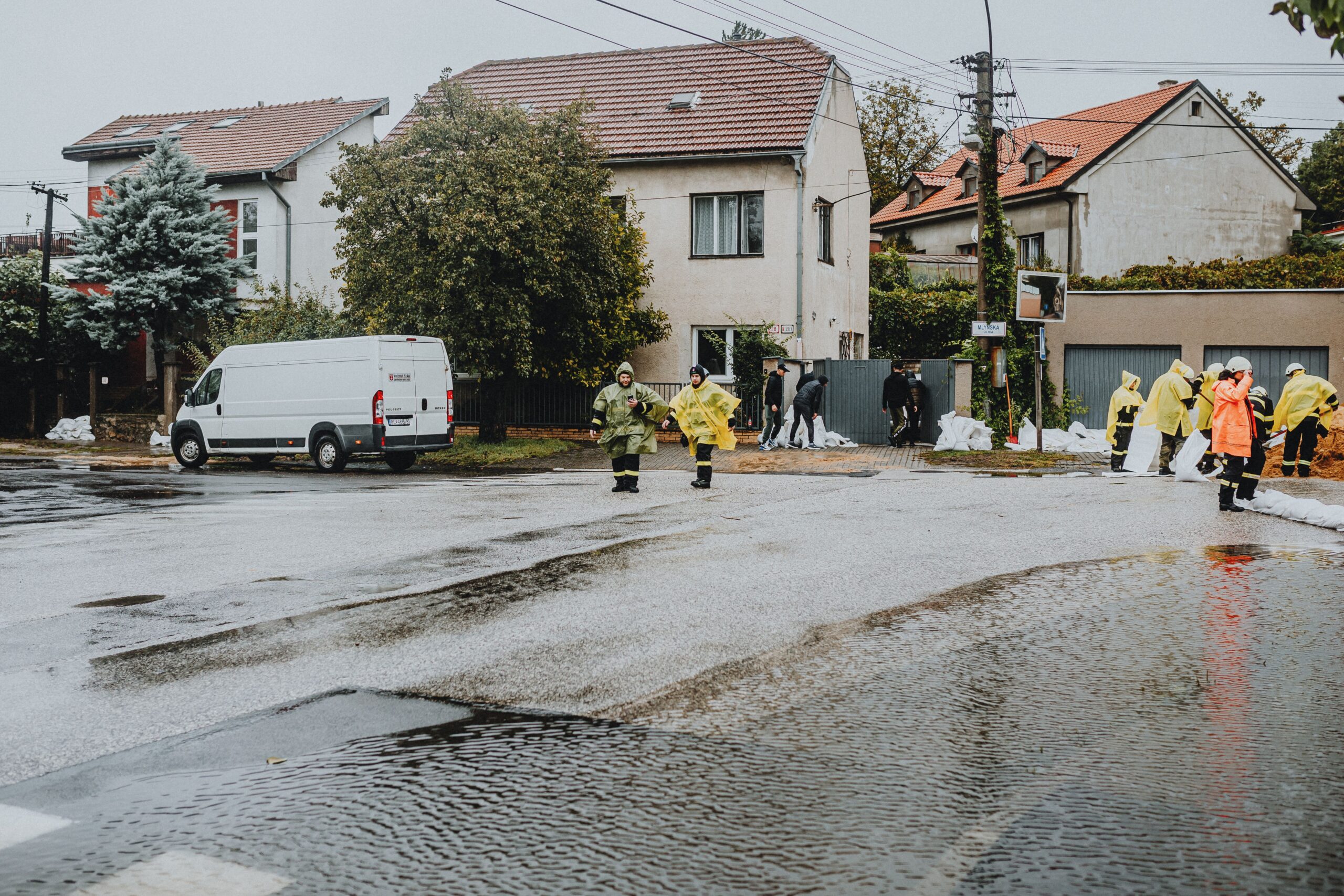
Emergency services reported that two bodies were recovered in the town of Oliva: a 79-year-old woman found at her home and a man who died of a heart attack at a campsite. In Sagunto, a man drowned while swimming at the beach, and in Catalonia, a woman died after falling into a rain-swollen stream. Rescue operations included airlifts from rooftops and boats to evacuate people stranded in vehicles and flooded buildings. Authorities in several municipalities imposed emergency restrictions ordering residents to stay indoors, though most of these measures have since been lifted.
The flooding is part of a broader adverse weather episode caused by two Atlantic systems, Bruna and Charles, which are affecting the Iberian Peninsula in quick succession. On November 10, Spain’s State Meteorological Agency (AEMET) issued its highest-level red rainfall warnings for northern Cáceres in Extremadura and southern Ávila in Castilla y León. In these areas, precipitation totals are forecast to reach 120 millimetres in 12 hours, posing an extraordinary risk of sudden river rises and dangerous runoff, particularly in mountainous zones like the Central System range where orographic effects intensify rainfall.
The Balearic Islands, including Mallorca and Ibiza, also experienced significant disruption, with schools closed and some flights cancelled or delayed. Prime Minister Pedro Sanchez stated that military emergency teams are assisting with rescue efforts and pledged full government support. This event occurs nearly two years after a previous devastating flood in the Valencia region that killed more than 220 people.
AEMET forecasts that the weather system will continue through Thursday, November 12, with Wednesday likely to bring widespread rainfall to western and southern Spain. Strong winds are expected, with gusts approaching 90 to 100 kilometres per hour in exposed inland and coastal locations. While the precise location of the heaviest rainfall remains subject to changes in the storm’s trajectory, the agency expects the intensity of the most severe weather to gradually decrease as Storm Charles moves away from the peninsula later in the week. Travellers are advised to monitor official road and rail information, as heavy rain and strong winds may affect transportation infrastructure, though no nationwide shutdown has been confirmed.