
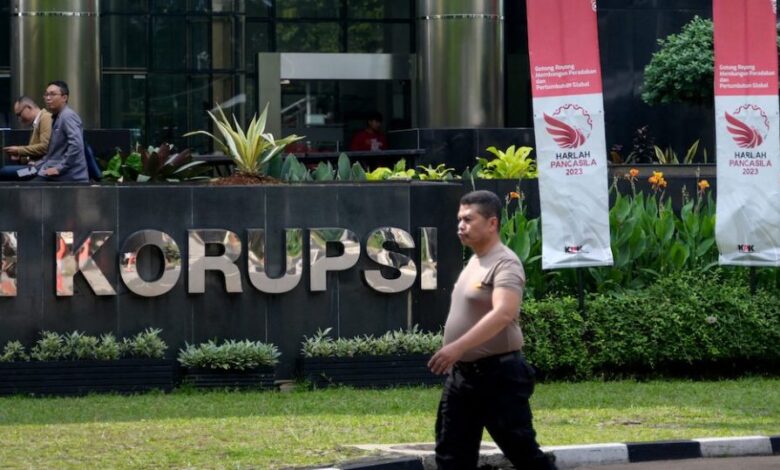
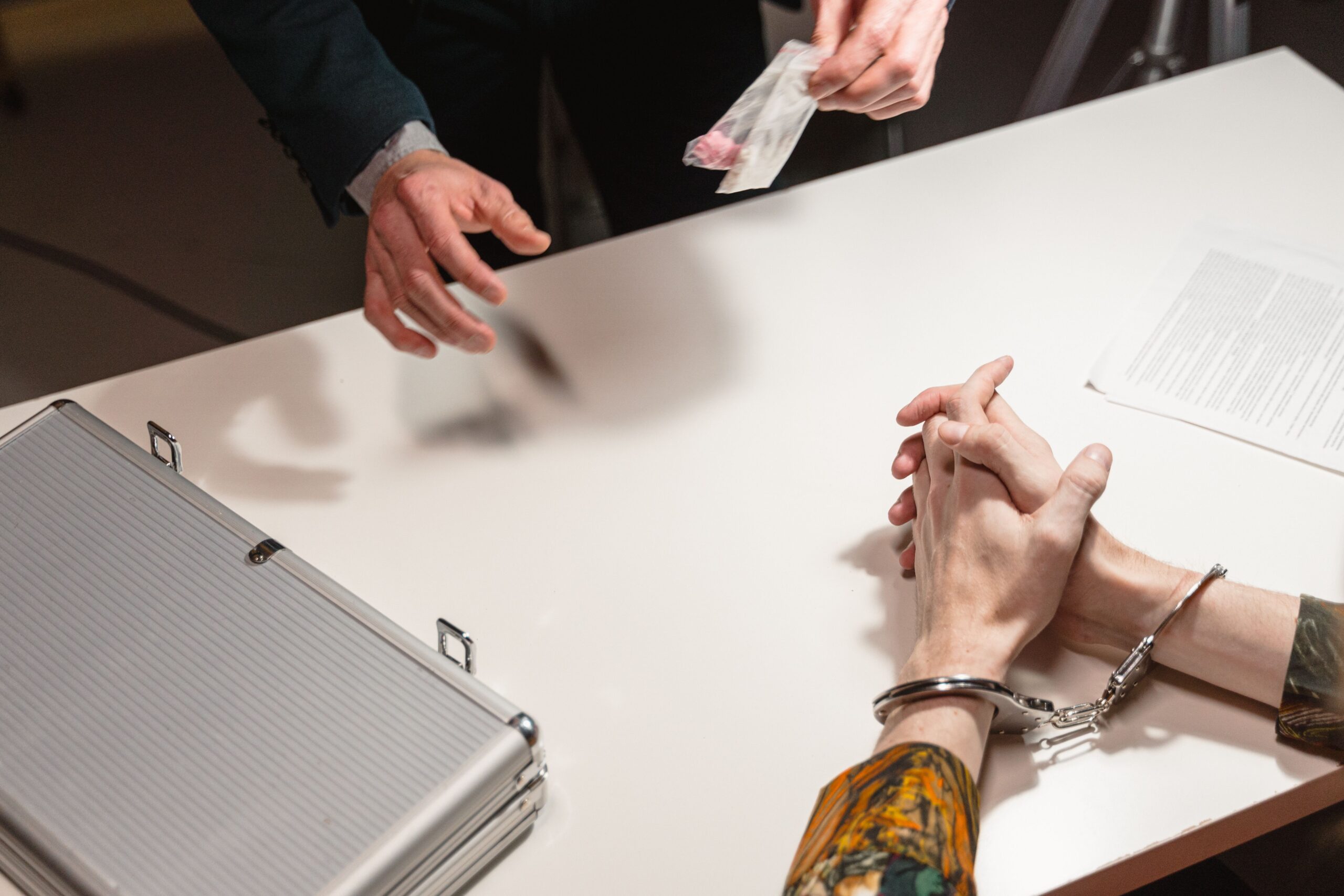
The legal basis for this move rests on the discovery of specific financial evidence. Police stated they had uncovered foreign exchange transaction documents and US dollars worth 7.4 billion Indonesian Rupiah (approximately $477,730) connected to the investigation. The case is linked to corruption allegations at the Ministry of Agriculture, an entity already under scrutiny following the detention of former minister Syahrul Yasin Limpo last month. According to police, a state official allegedly extorted money from the ministry between 2020 and 2023. Since the case was opened in October, investigators have interviewed 91 witnesses.
Bahuri, a former police chief, has not been detained and has firmly denied the allegations. During a press conference on Monday, prior to his formal designation as a suspect, he stated, “I have never extorted anyone, and I’ve never been involved in a bribery… with anyone.” In response to the news, President Joko Widodo said on Thursday that he would “respect the process of law.” Under Indonesian law, the president is required to temporarily suspend any KPK chief who is named as a criminal suspect. The stakes for the individual are high; a corruption conviction for state officials in Indonesia carries a maximum sentence of life in prison.
The timing of this investigation coincides with a broader narrative of institutional weakness within Indonesia’s law enforcement agencies. The KPK, established by Law 30/2002, was once considered an anomaly in Indonesia’s corrupt institutional environment, renowned for its effectiveness. However, legal analysts argue that the agency has been significantly weakened by legislative revisions in late 2019. Critics describe these changes as reactionary, transforming the KPK from a robust enforcement body into a government-friendly “watchdog” focused primarily on prevention. This shift is viewed by some as a culmination of long-standing political pressures that sought to align the agency with the interests of ruling elites rather than independent oversight.
The current scandal has intensified scrutiny on how high-ranking officials are selected and vetted. Danang, a legal observer, noted that Bahuri’s appointment suggests problems with the Jokowi administration’s vetting process for cabinet and strategic posts. “The selection process needs to be transparent and take into consideration inputs from the public and civil society organisations,” he said. This concern is compounded by the fact that Syahrul Yasin Limpo is the sixth member of Jokowi’s cabinet to be charged with corruption, a record higher than any other president in Indonesian history. Four of these ministers have been convicted and sentenced to prison terms ranging from three to 12 years, while a fifth is currently on trial.
Further complicating the legal landscape for Bahuri are existing ethical violations and questions regarding his personal finances. Former KPK commissioner Saut argued that police should open a separate investigation into how Bahuri, who receives a monthly take-home pay of 123 million rupiah, could afford to rent a house. According to a lawyer representing the case, Bahuri pays no more than 100 million rupiah a year for the property, which is used as a resting place to save commuting time. Saut pointed out a discrepancy: if Bahuri paid the full 650 million rupiah price for the property, it would be unaffordable on his salary; if he paid only 100 million, it constitutes illegal gratuity. Under Indonesian law, illegal gratuity is defined as receiving gifts or cash exceeding 300,000 rupiah from any party. If the value exceeds 10 million rupiah, it is considered a bribe, punishable by up to life in prison.
These allegations are set against a backdrop of declining integrity indicators. The KPK’s own Integrity Assessment Survey (SPI), conducted from 2021 to 2023, showed a downward trend, indicating that the risk of corruption in government institutions is increasing. Experts argue that without a fundamental reform of the KPK and other law enforcement agencies, such as the National Police and the Attorney General Office, public expectations for corruption eradication will remain unmet. The culture of “Mahar Politik,” or political dowry, where candidates support those who can bring financial resources, continues to foster collusion between public officers and private firms.
As the investigation proceeds, the legal community awaits the next procedural steps. The case remains in the investigative phase, with police continuing to gather evidence from the 91 witnesses interviewed so far. The suspension of the KPK chief, mandated by law, will likely be the immediate administrative consequence, further destabilizing an agency already viewed as compromised by legislative reforms. For the Indonesian public, the case serves as a stark test of the judiciary’s commitment to impartiality, as it must now judge the very official tasked with judging others.