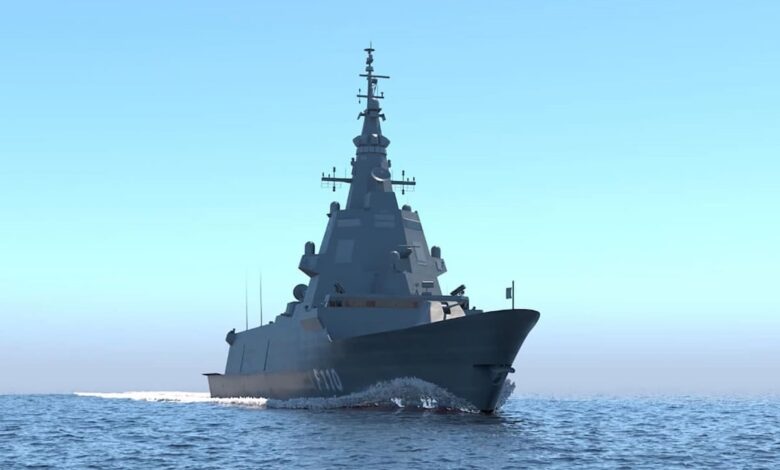
According to a statement released on October 23, the Spanish Navy and Navantia are developing a new variant of the F110 frigate, currently known as the Bonifaz class. Five of these vessels are already under construction. The proposed F110 IAMD variant is designed to extend the class’s role beyond its current anti-submarine and anti-surface warfare mandates, placing a heavier emphasis on defending naval forces against simultaneous air and missile attacks. The design intends to engage aircraft, ballistic missiles, and cruise missiles concurrently.
The new variant will feature expanded vertical launch capacity, allowing the carriage of different missile types tailored to specific missions. While Navantia has not disclosed the exact number of launchers or the specific missile systems selected, the configuration is intended to support area air defense, the escort of high-value assets, and the coordination of a naval task group’s air defense. The ship will also offer greater speed and endurance to support extended deployments and demanding combined operations.
Central to the F110 IAMD’s architecture is the cloud-hosted SCOMBA New Generation combat management system. This system connects sensors, weapons, autonomous vehicles, and data links to create a shared tactical picture within a “naval combat cloud.” This architecture is designed to be modular, accommodating new sensors, weapons, and countermeasures against emerging threats, including uncrewed systems. The ship is built to operate within NATO, European Union, and joint multi-domain networks, with electronic warfare capabilities remaining a core component of its defensive suite.
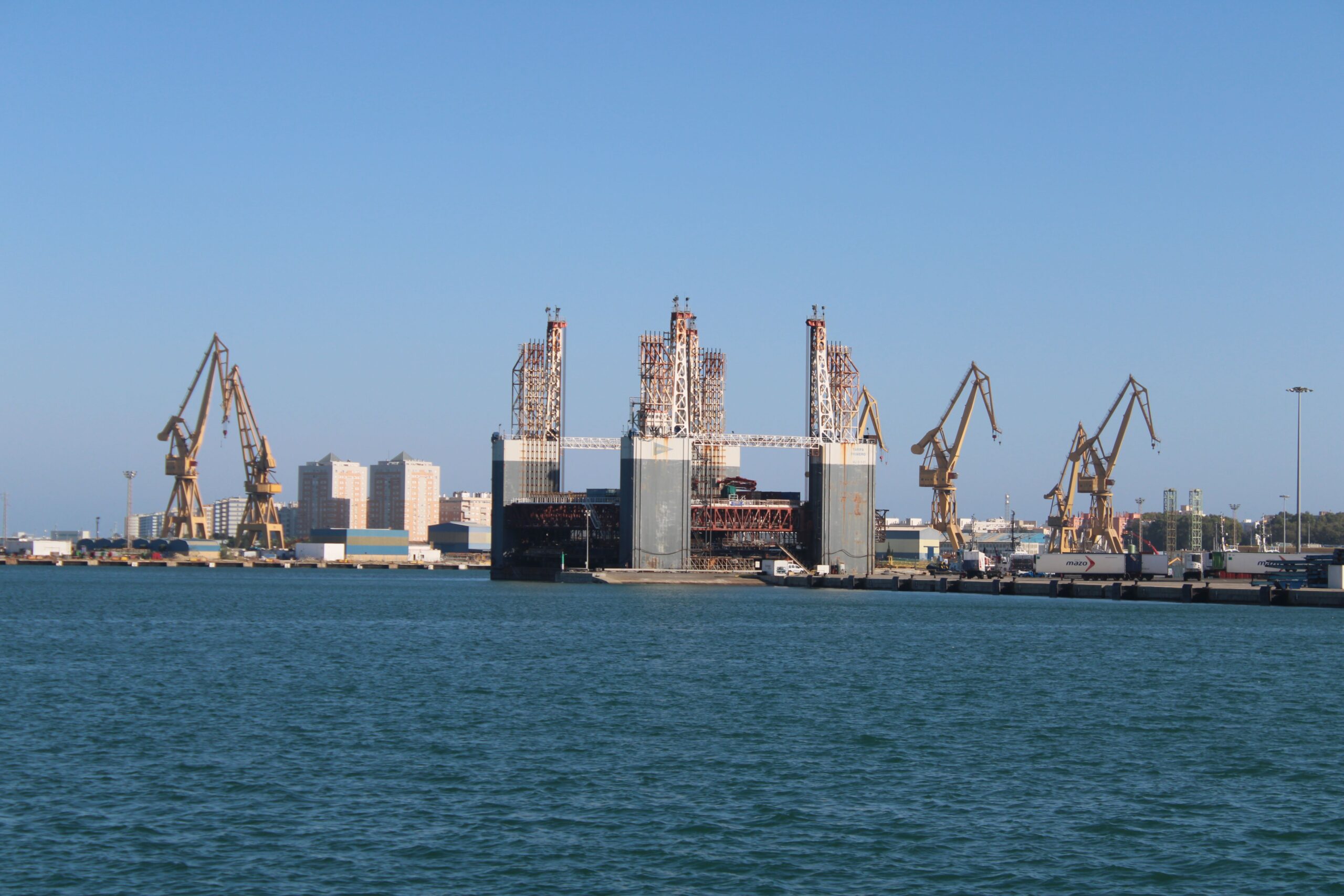
In parallel, Navantia has signed a Memorandum of Understanding (MoU) with TKMS to explore closer industrial cooperation, potentially leading to the production of German-designed submarines at Navantia’s shipyards in Spain. The agreement, signed on Wednesday, cites “geopolitical developments” that have significantly increased demand for modern naval products, while simultaneously exposing “considerable bottlenecks in shipyard capacity and technological resources across Europe.”
Under the MoU, the two companies will launch management-level talks to determine how they can implement projects more efficiently and cost-effectively. Ricardo Domínguez, executive chairman of Navantia, described the step as significant for “Europe’s strategic autonomy and sovereignty in defence.” Volkmar Dinstuhl, Supervisory Board Chairperson of TKMS, emphasized that the memorandum allows the firms to “leverage synergies between our shipyard capacities.”
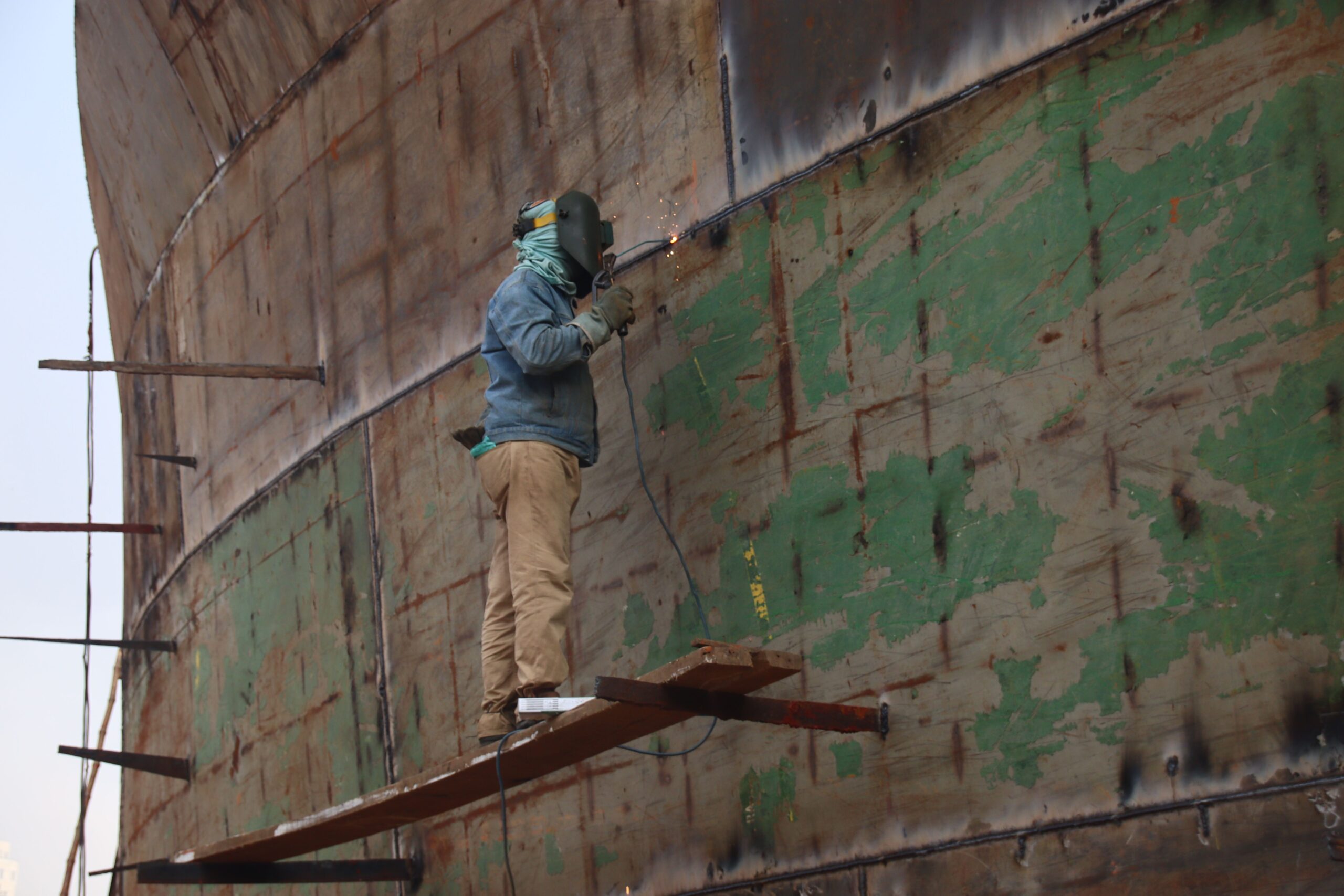
The partnership addresses a critical gap in European naval manufacturing. TKMS is currently under contract to produce Type 212CD submarines for Germany and Norway, and was recently named a finalist for Canada’s Patrol Submarine Project alongside South Korea’s Hanwha Ocean. Navantia, meanwhile, is constructing up to six S-80 Isaac Peral-class submarines for the Spanish Navy. By exploring joint production, the companies aim to utilize TKMS’ proven submarine systems with Navantia’s infrastructure, though it remains unclear how new business will be prioritized given the existing workloads of both firms.
These industrial developments occur against a backdrop of broader international naval procurement. Navantia’s Australian subsidiary is also working with Austal and Civmec to propose six “Tasman class” corvettes for the Royal Australian Navy. Based on the Avante family of patrol vessels, these ships would be built in Western Australia, reflecting Navantia’s strategy to establish integrated shipbuilding enterprises in key allied regions. The F110 IAMD and the TKMS-Navantia submarine collaboration, however, represent a deeper integration of European industrial capacity, aiming to ensure that sovereign defense capabilities keep pace with evolving strategic requirements.