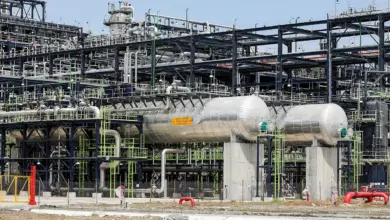
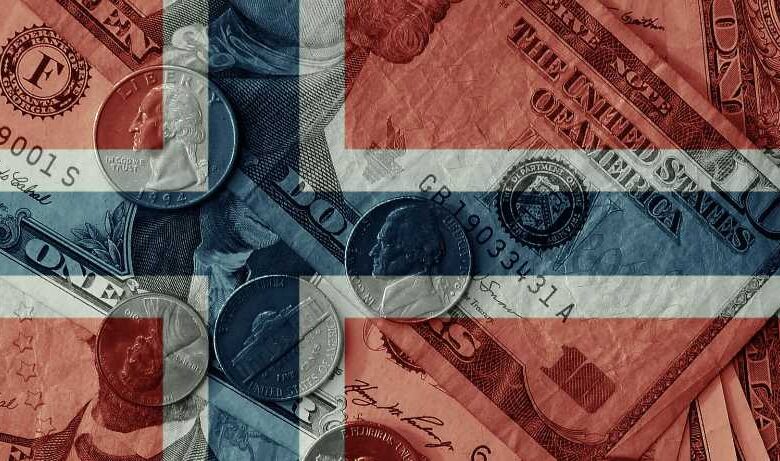
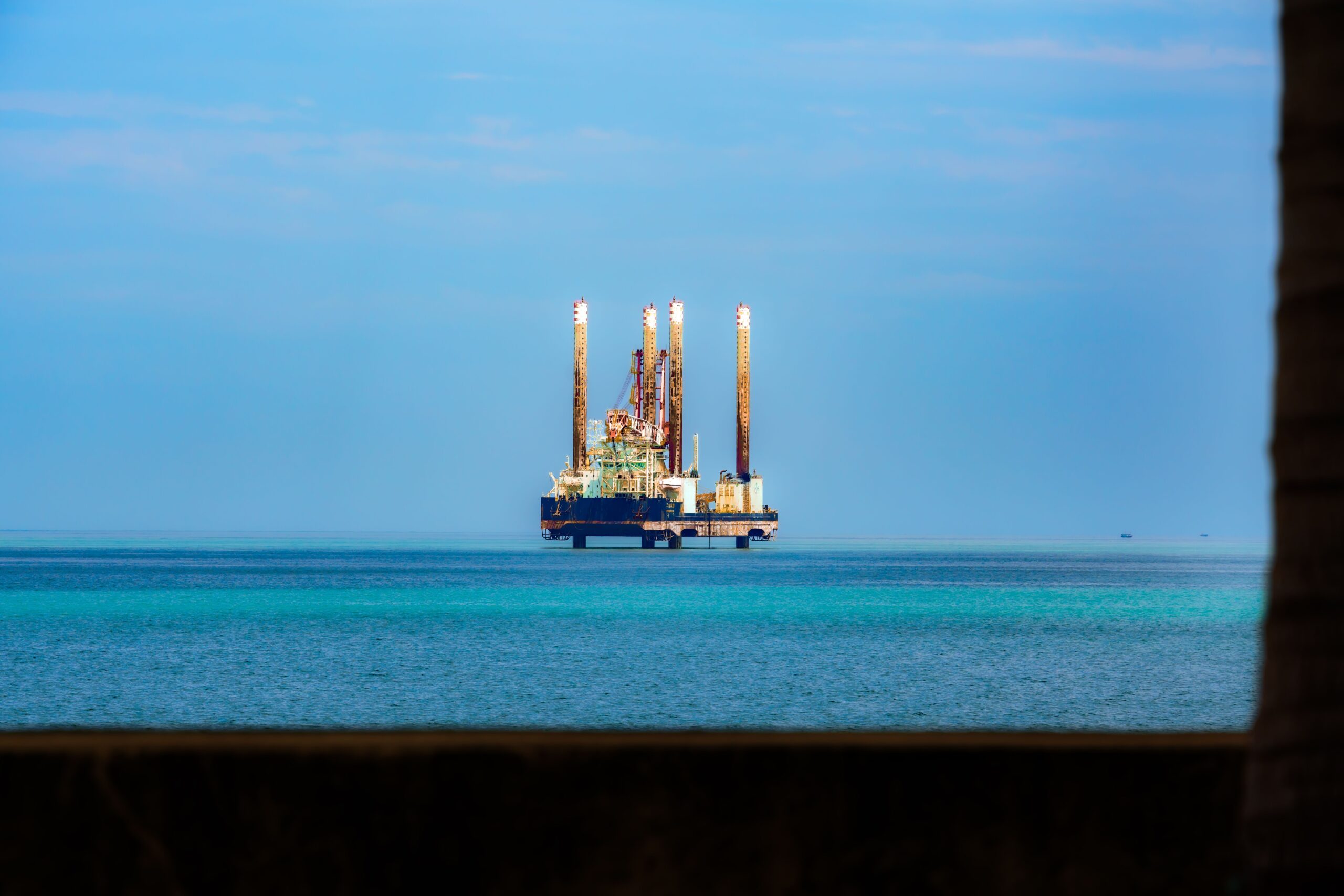
The launch occurs against a backdrop of Norway’s continued economic reliance on the fossil fuel sector. Although successive governments have pledged to reduce dependence on oil and gas, incentives for transition have diminished as Norway becomes a critical energy supplier for Western Europe. Oil and gas constituted 57% of Norway’s goods exports in 2025, and monthly crude sales revenue reached a record following the outbreak of the Iran war. While the government previously aimed to increase non-oil exports by 50% by the end of the decade, progress has been limited, and the sector continues to provide more than one-fifth of the nation’s gross domestic product.
PRIO Research Professor Simon Reid-Henry, who leads the center’s geopolitics work, stated that policymakers require a comprehensive understanding of forces reshaping international economics during times of “increasingly turbulent” trade and military conflict. NORCIE will facilitate this through the GeoEconomic Dialogues platform, which connects researchers with policymakers, businesses, and civil society. The center also serves as a national hub for shared data resources and training opportunities.
Domestically, the Norwegian economy has experienced a recent pickup, with growth nearing its trend level. Registered unemployment has stabilized at a five-month low, described by officials as close to normal. This stability is driven by strong private consumption, which remains the largest growth driver. Real wage growth has exceeded price increases over the past two years, boosting household purchasing power, while rate cuts and higher electricity subsidies have further increased disposable income.
Despite the strong consumer sector, the outlook for monetary policy remains constrained. Inflation is expected to ease gradually but will stay above Norges Bank’s 2% target in the coming years. Consequently, the scope for further rate cuts is limited, though a stronger Norwegian krone in the near term could lead to one additional cut before summer. Mainland exports are performing well despite global uncertainty, supported by increased growth among European trading partners and higher domestic defense spending.
The center’s research agenda aims to provide policy-relevant insights for decision-makers across government, business, and civil society. By combining expertise from economics, political science, and geography, NORCIE seeks to address the challenges of a changing global economic landscape. The next phase of the center’s activities will involve regular seminars and workshops to foster ongoing dialogue on emerging global economic developments.