
The primary driver of the earnings beat was the oil-to-chemicals (O2C) business, which delivered record revenue and earnings before interest, taxes, depreciation and amortization (EBITDA). Consolidated revenue surged 28% year-on-year to an all-time high of Rs 3.62 lakh crore. Total EBITDA increased 24% to a record Rs 62,409 crore, while consolidated net profit jumped 34% to Rs 29,550 crore. Net profit attributable to owners rose 40% to Rs 25,548 crore, surpassing the previous quarter’s high of Rs 23,196 crore.
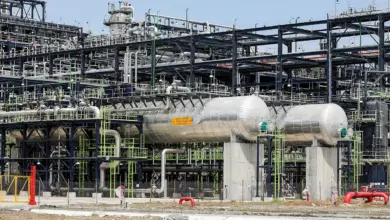
Within the O2C segment, revenue rose 44.2% year-on-year to Rs 2.32 lakh crore, with EBITDA surging 67.9% to Rs 25,203 crore. This performance was underpinned by a sharp increase in transportation fuel cracks—a measure of refining margins—which rose three to 3.7 times from a year earlier, reaching historic highs during the quarter. Analysts noted that global supply disruptions and robust winter refining profitability expectations have further bolstered confidence in this division.

Jio Platforms, the company’s digital services arm, also contributed to the top-line growth, reporting an 11.3% year-on-year increase in revenue to Rs 47,485 crore. Its EBITDA rose 16.6% to Rs 21,879 crore. However, the retail division, which includes the company’s quick-commerce and general merchandise operations, showed relatively subdued performance. Jefferies, which raised its FY27 and FY28 EBITDA estimates, cited quick-commerce investments and inflation as key factors weighing on retail margins.
The market reaction to the results was immediate and pronounced. Reliance shares emerged as the top gainer and the biggest positive contributor to the Nifty 50 index, while also becoming the most actively traded stock on both the National Stock Exchange (NSE) and the Bombay Stock Exchange (BSE). The rally helped lift broader market indices, with the Sensex gaining 1,233 points (1.7%) to close at 75,693, and the Nifty adding 388 points to close at 23,441.
Despite the strong Q2 showing, the stock remains down over 17% in 2026, having hit an 18-month low in October and falling nearly 25% from its January high. This decline had previously raised concerns among mutual fund investors, with several active schemes reporting negative returns for the year. Exposure to RIL varies, with sectoral and thematic funds holding higher allocations (ranging from 9.12% to 11.55% of net assets) compared to diversified equity schemes (6.29% to 6.49%).

Experts attribute the earlier share price weakness to external factors rather than company-specific operational failures. Harsh Vardhan Dawar, Founder of Wealth Cafe, noted that fluctuating oil prices linked to the Iran conflict and a lack of interest from foreign institutional investors (FIIs) in Indian markets were the primary drag on the stock’s performance earlier in the year. With these external headwinds potentially reversing, analysts including Goldman Sachs and Nomura have retained Buy ratings, citing positive fundamental and technical cues following the Q2 results.
The divergence between the company’s record operational performance and its prior share price trajectory highlights the sensitivity of RIL’s valuation to global commodity cycles and investor sentiment. As the stock closes at Rs 1,300, the market is currently re-evaluating the company’s trajectory, balancing the strength of its refining margins and digital growth against the ongoing margin pressures in its retail and quick-commerce initiatives.