
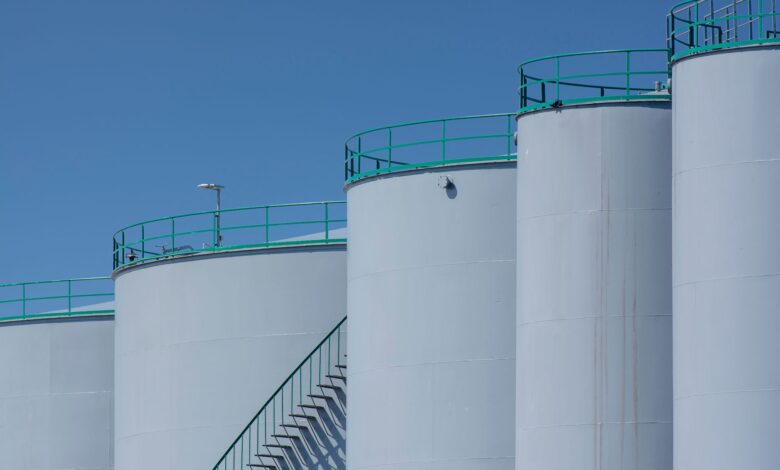
This incident represents a significant escalation in the geographical reach of Ukraine’s long-range strike capabilities. The refinery is located approximately 2,500 kilometers from the Ukrainian border, a distance that has historically been considered outside the effective range of most conventional cruise missiles but is increasingly within the operational envelope of advanced drone systems. The attack marks the third confirmed strike on this specific facility in recent months, following an attack on July 6 that forced a temporary suspension of operations, and another on October 8.
The Omsk NPPZ is not merely a commercial asset; it is a strategic pillar of the Russian military-industrial complex. Owned by Gazprom Neft, a company under Kremlin control, the refinery has a design capacity of 22 million tons of crude oil per year. Official Russian data indicates that the facility supplies fuel to the Russian army and produces one-sixth of Russia’s gasoline and diesel fuel of the fifth ecological class. By targeting this node, Ukrainian forces aim to degrade the logistical backbone that sustains Russian military operations, particularly the supply of aviation fuel and diesel for armored vehicles.
The immediate operational impact of the November 11 strike was severe enough to trigger a city-wide emergency response. Amina Akhverdova, the spokesperson for the Omsk regional governor, confirmed that cellular communication and mobile internet services were restricted in the city. Air raid sirens sounded throughout Omsk, and the local airport suspended all arrivals and departures. While the spokesperson did not provide specific details on damage to the refinery’s production lines, the scale of the civilian disruption suggests a significant impact on the facility’s operational status.
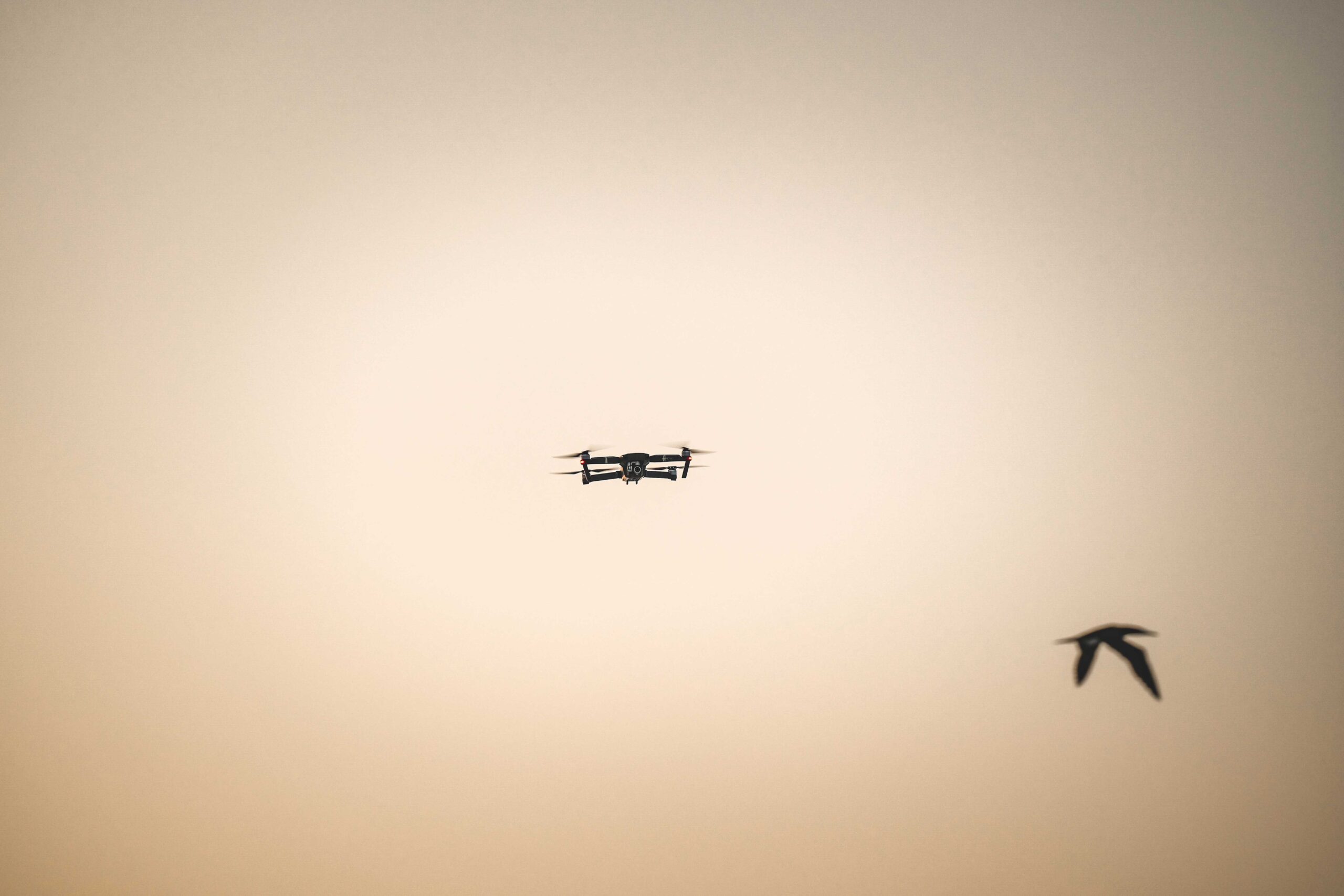
The choice of target reflects a calculated shift in Ukraine’s defense strategy. Since the beginning of the war, Russian forces have relied on deep strikes to degrade Ukraine’s energy grid and military infrastructure. In response, Ukraine has developed and expanded its own long-range drone capabilities, using them to strike high-value targets deep within Russian territory. The Omsk refinery is one of the most critical assets in this category. Its destruction or prolonged downtime would force Russia to redirect fuel supplies from other refineries, straining the national logistics network and increasing costs.
However, the effectiveness of such strikes is not without limitations. The Russian military has invested heavily in air defense systems, including S-400 and Pantsir-S1 complexes, to protect key infrastructure. The fact that the Omsk refinery has been struck three times in under five months suggests that either the air defense network in the region is being overwhelmed, or that Ukraine is successfully employing tactics to bypass or saturate these defenses. The two-hour duration of the explosions indicates that multiple drones may have been involved, or that a single drone triggered a chain reaction in the refinery’s storage tanks or processing units.
The broader strategic implications extend beyond the immediate damage to the refinery. The strike demonstrates that no part of Russia’s industrial heartland is safe from Ukrainian counter-strikes. This has forced Russian authorities to divert resources to protect civilian infrastructure and military assets, potentially reducing the number of air defense systems available for the front line. Furthermore, the attack highlights the vulnerability of Russia’s energy sector, which has become a primary target in Ukraine’s campaign to undermine the economic and military sustainability of the war effort.
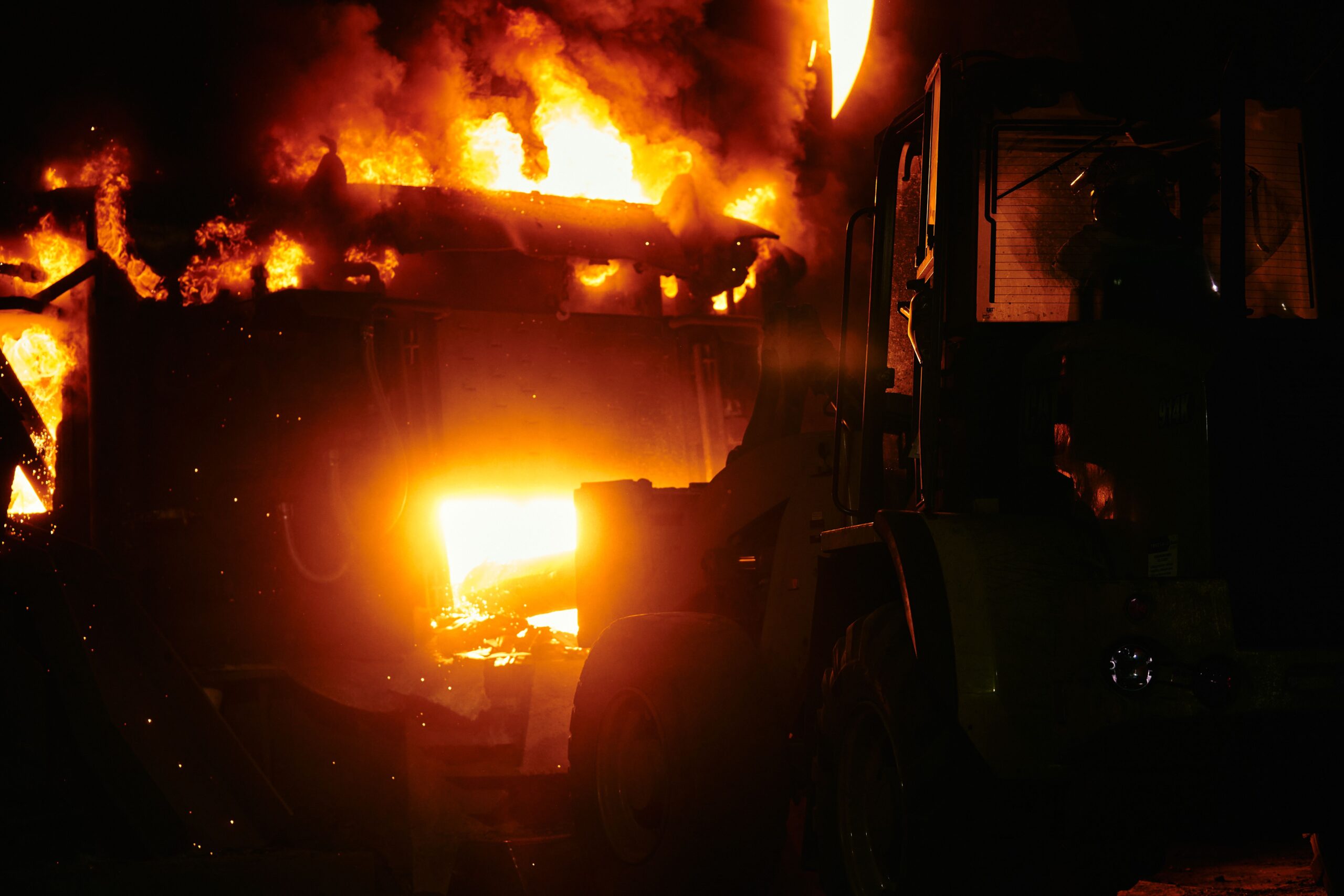
Despite the significant impact, several questions remain unresolved. It is unclear whether the November 11 strike caused permanent damage to the refinery’s production capacity or if the facility can quickly resume full operations. Russian state media has not yet released official assessments of the damage, a common practice that may be intended to minimize the perceived success of Ukrainian strikes. Additionally, the exact type of drone used in the attack has not been officially confirmed by Ukrainian authorities, though it is consistent with the long-range reconnaissance-strike drones that have been featured in recent successful operations.
The attack on the Omsk refinery also has geopolitical ramifications. It reinforces the narrative that the war is not confined to the border regions but is a systemic conflict affecting the entire Russian state. For Ukraine, the strike serves as a demonstration of capability and resolve, signaling that the country will continue to target the economic and military foundations of its adversary. For Russia, it presents a dilemma: how to protect its vast and dispersed industrial base without compromising its defensive posture at the front.
As of now, the Omsk refinery remains the focal point of this ongoing campaign against Russian energy infrastructure. The next confirmed development will likely be the assessment of the damage and any subsequent strikes on other refineries or storage facilities. The success or failure of these operations will be a key indicator of the evolving balance of power in the long-range strike domain, a domain that has become increasingly decisive in the war’s second year.