
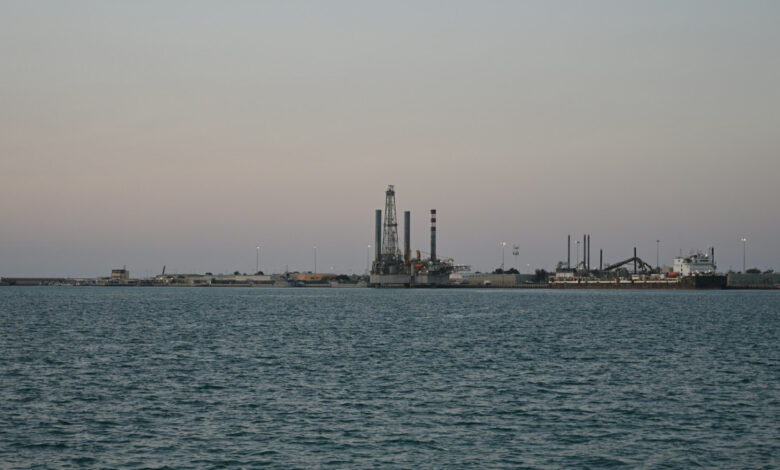
The physical impact of the strikes was corroborated by independent satellite data. NASA’s Fire Information for Resource Management System (FIRMS) captured images on Wednesday showing multiple new heat anomalies across the entire Ust-Luga port area. These thermal signatures indicate that the drone attack did not result in a single isolated incident but rather multiple fires, suggesting a widespread disruption to the port’s operational capabilities. While the governor’s statement detailed the immediate response, the extent of the damage to specific loading terminals or storage tanks has not yet been fully quantified in the available reports.
Ust-Luga is not merely a regional facility; it is the premier Russian port for exporting crude oil, refined fuels, coal, fertilizers, and grain from the Baltic Sea region. Its strategic importance is underscored by the fact that it hosts a refinery operated by Novatek, one of Russia’s major energy companies. The port serves as the primary export outlet for the Baltic area, meaning any disruption here directly impacts the flow of hydrocarbons and other commodities to international markets. Previous attacks on Ust-Luga, which have numbered in the dozens since the war began in 2022, have repeatedly halted shipments and loadings, demonstrating the port’s persistent vulnerability to Ukrainian military campaigns aimed at degrading Russia’s domestic fuel supply and export revenues.
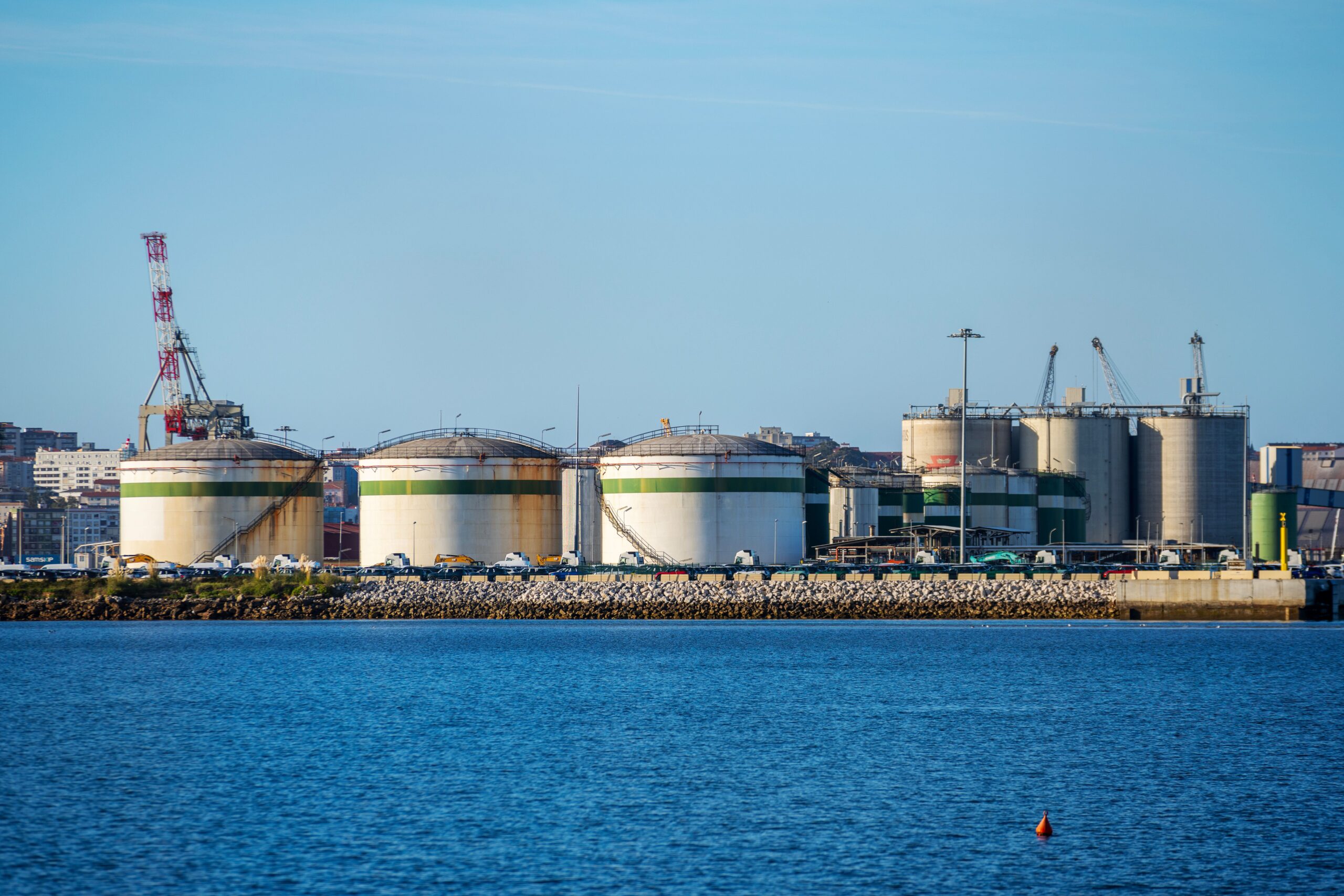
This latest incident occurs against a backdrop of intensified Ukrainian efforts to target Russian energy infrastructure. Since the start of the year, Ukraine has ramped up its campaign to cripple refineries and oil export infrastructure, seeking to diminish Moscow’s ability to fund its military operations through oil sales. The targeting of Ust-Luga is part of this broader strategy, as the port’s capacity to load crude and products is a direct contributor to Russia’s export earnings. The simultaneous occurrence of the attack and the emergency shutdown of the electrical substation suggests a coordinated attempt to disable both the physical logistics and the power systems necessary for port operations.
The timing of the strike is particularly notable given the concurrent diplomatic efforts to resolve the conflict. Ukrainian and Russian representatives were engaged in negotiations in Abu Dhabi, mediated by the United States, to explore a path toward a peace agreement. These talks, which began on Tuesday and continued into Wednesday, included discussions by the Ukrainian president, Volodymyr Zelenskyy, about the possibility of a direct meeting between the Ukrainian and Russian leaders. Zelenskyy stated on Tuesday evening that his teams would discuss the feasibility of such a summit, although he acknowledged uncertainty regarding Russia’s readiness. The continued exchange of strikes on energy infrastructure, such as the one at Ust-Luga, contrasts sharply with the diplomatic overtures, indicating that military pressure remains a central component of the conflict dynamics even as dialogue proceeds.
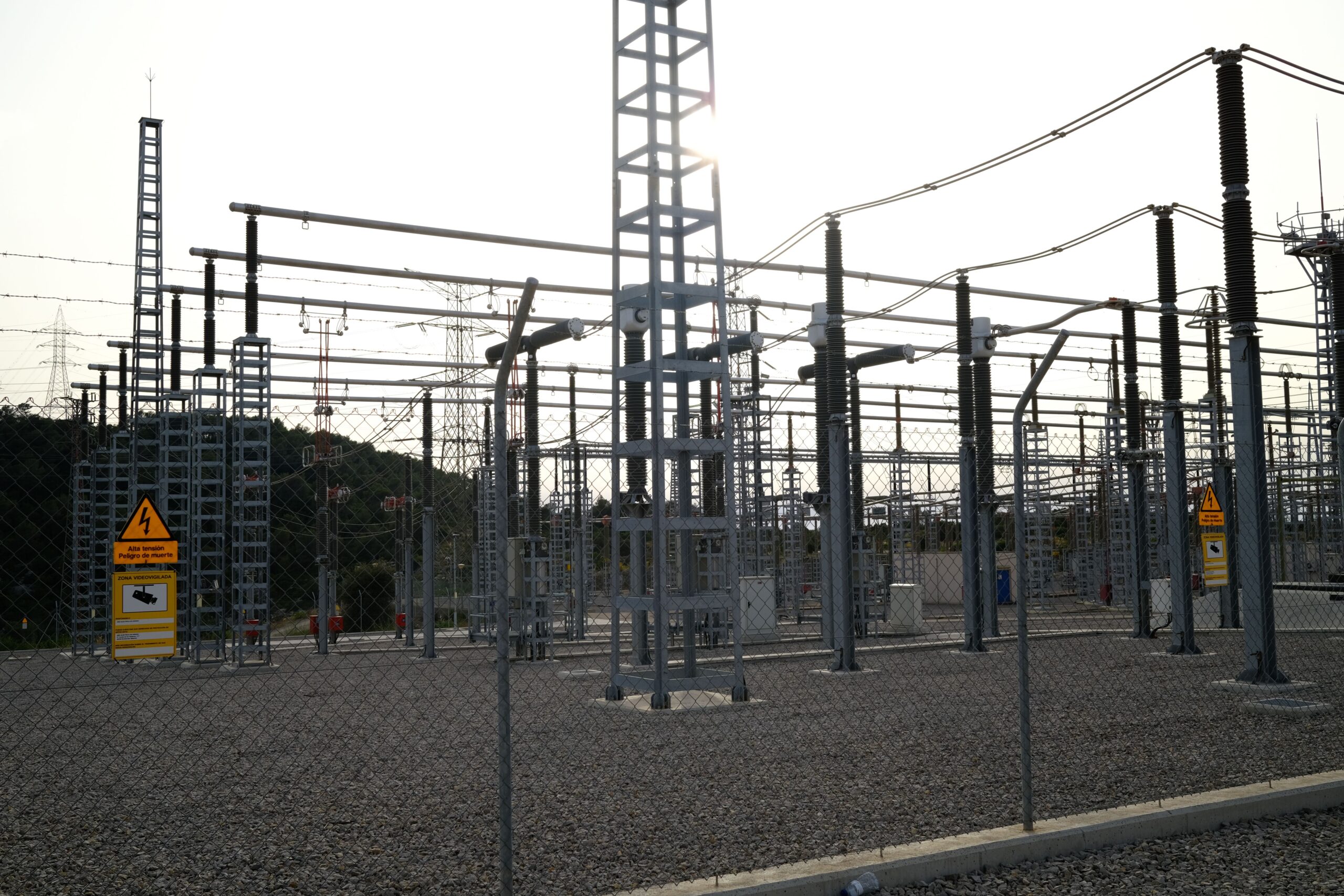
From a market perspective, the disruption at Ust-Luga adds to the uncertainty surrounding Russian oil flows. While the port handles a significant volume of crude and products, the specific impact on global supply depends on the duration of the shutdown and the extent of the damage to loading facilities. The emergency shutdown of the transformer substation could prolong operational downtime, as restoring power to a major industrial port requires careful technical assessment and repair. Traders and analysts will be monitoring data on ship loadings and export volumes in the coming days to gauge the real-world effect on supply. The incident reinforces the premium on risk that buyers have been willing to pay for Russian oil, reflecting the persistent threat to infrastructure from drone attacks.
For the local community and workers in the Leningrad region, the attack represents a recurring disruption to daily life and economic activity. The governor’s prompt communication of the fire and the substation shutdown highlights the administrative response to such emergencies. However, the underlying issue remains the fragility of energy infrastructure located in conflict zones. The reliance on a single major export hub for the Baltic region creates a single point of failure that adversaries can exploit. As the fires are extinguished and repairs begin, the focus will shift to determining how quickly normal loading operations can resume. Until then, the Ust-Luga port remains a symbol of the intersection between military conflict and energy security, where the fate of global commodity flows is influenced by the outcome of drone strikes and the resilience of critical electrical and logistical systems.