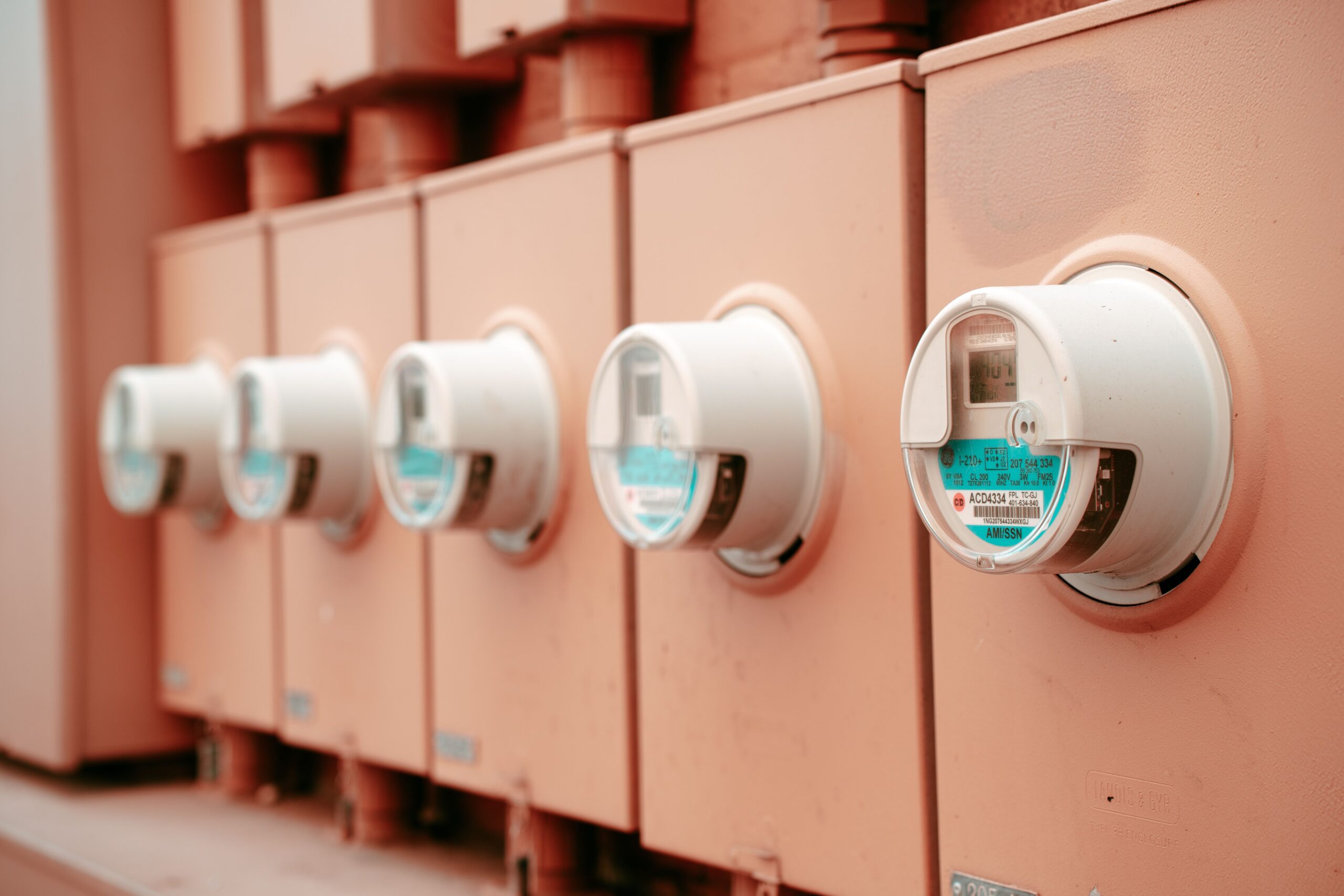
The scale of the domestic bottleneck is substantial. Liander, the country’s largest distribution system operator (DSO), reports that approximately 7,300 customers are waiting longer than desired to connect to the grid to upgrade existing small consumption connections to heavier power connections. These delays directly limit the ability of customers to add heat pumps or charging stations to their homes or businesses. Sarike van Wette, Chief Operations Officer at Liander, emphasizes that a heavier connection is not always necessary. She advises consumers to consult installers to verify capacity needs, suggesting that standard grid connections already accommodate a small hybrid heat pump, 12 solar panels, electric cooking with a one-phase hob, and standard appliances. By reducing applications for unnecessary heavier connections, the DSO aims to save costs and alleviate strain on the network.
Simultaneously, operators are calling on consumers to adopt behavior that mitigates peak load. Van Wette urged customers to charge electric vehicles at night or run appliances during the day when solar generation is at its peak. This call to action is echoed by Enexis, another major DSO, whose CEO, Rutger van der Leeuw, highlighted the critical role of consumer flexibility in addressing the distribution crisis. In March, van der Leeuw stated that Enexis completed a record amount of network updates in 2025, investing €1.9 billion to unlock 542 MW of additional flexible capacity—a volume comparable to the annual electricity consumption of a city like Eindhoven.
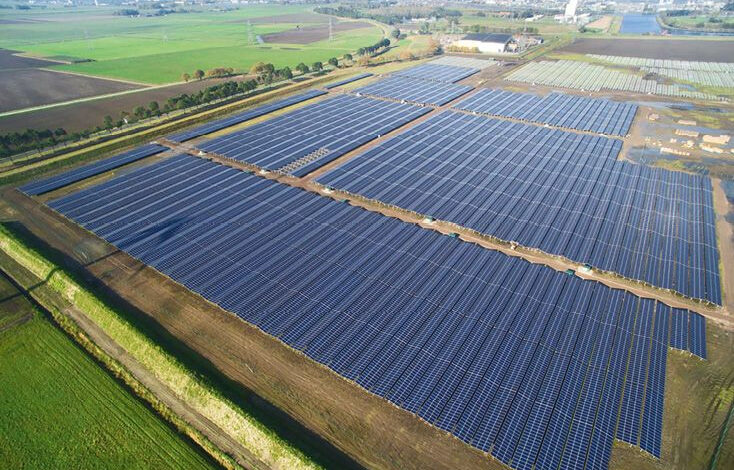
This capacity was achieved through a combination of flexibility contracts, congestion management, the 100th blockpower contract, and the first collective grid transport agreement. Van der Leeuw noted that business customers are increasingly aware that transmission scarcity affects their operations, and that customer willingness to avoid peak periods is growing. Pilots involving the central control of hybrid heat pumps have shown reductions in the evening peak of 10-25%, while many public charging points are now suitable for grid-aware charging. Solar panel owners, in particular, can be compensated for temporarily reducing feed-in during extreme peak moments.
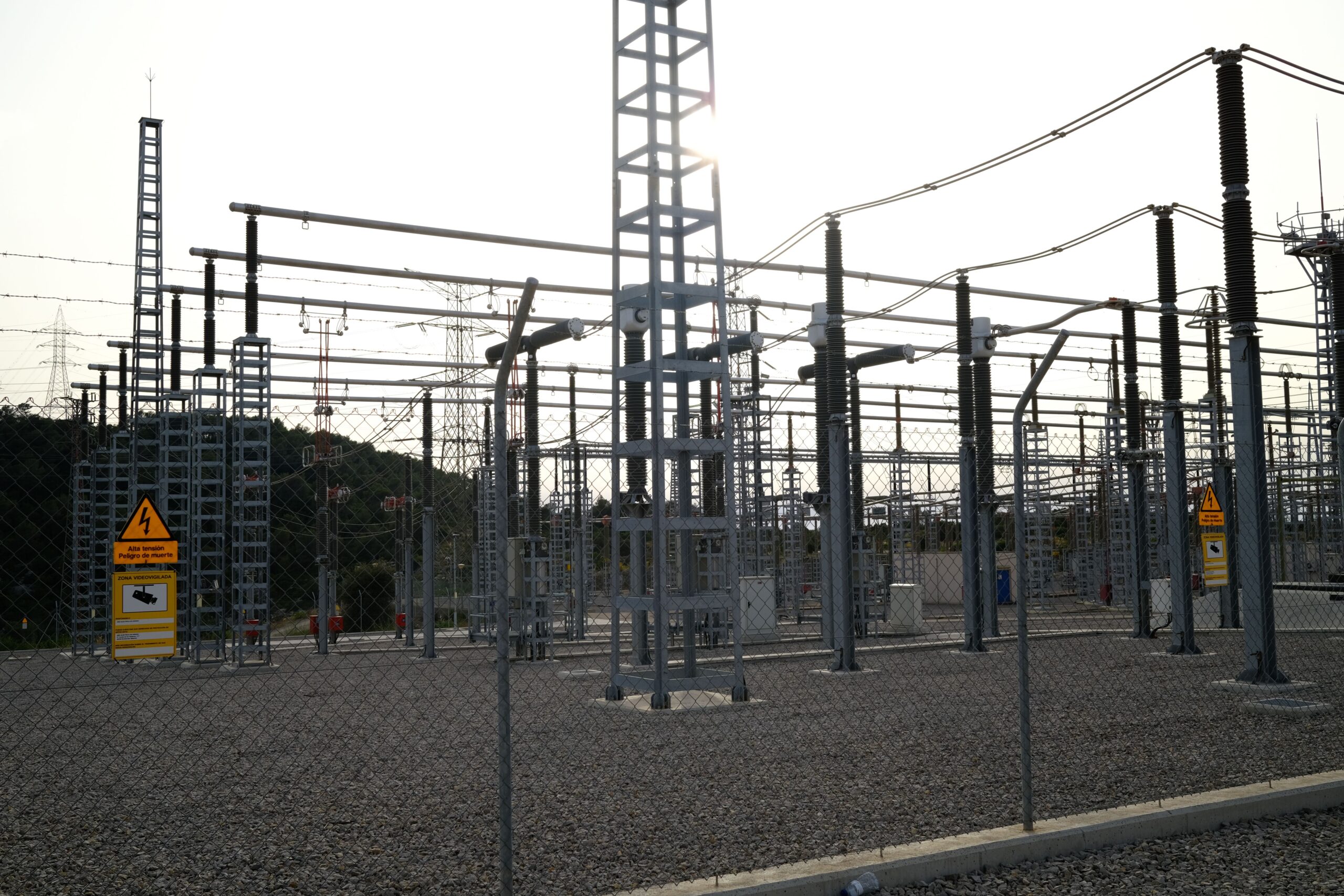
The regulatory framework is tightening to support these efforts. From July 2026, grid operators will be required to limit access to the electricity grid to prioritize essential facilities such as care and education. Consequently, households and businesses will slip down the priority queue, with entrepreneurs in a worse position than householders. Van Wette acknowledged the frustration of customers facing variable wait times, explaining that available capacity differs by neighborhood and even by street. “We must work within those limits to keep the grid safe and reliable,” she said, noting that the inability to realize all connections immediately has a major impact on daily life, including renovations and new builds.
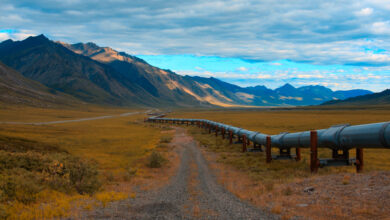
This domestic infrastructure strain occurs against a backdrop of heightened external vulnerability. A March 2026 analysis by experts in public administration and natural resources raised concerns about the Netherlands’ preparedness for a prolonged crisis, particularly in the context of the Iran war, which has pushed up fuel prices and raised fears of a global energy shortage. The analysis highlighted that in 2024, 78% of the Netherlands’ energy, including natural gas, oil, and coal, was imported. The country is also almost entirely dependent on other countries for key metals and minerals used in batteries and wind turbines.
Experts warned that if disruptions continue, the Netherlands could face an economic crisis or serious shortages. The analysis pointed to the fragility of global supply chains, citing the example of large fertiliser plants in Pakistan relying on gas from Qatar; a disruption there could lead to food shortages and subsequent migration or conflict. While the Netherlands directly relies on the Strait of Hormuz for only a small proportion of its oil and gas, the global nature of the market means prices rise domestically regardless of direct import volumes. The experts noted that while the country quickly reduced its dependence on Russian gas by importing liquefied natural gas primarily from the US and filling storage facilities, the broader geopolitical landscape remains a significant risk factor.
Resilience efforts are underway but incomplete. The government and critical infrastructure providers are preparing contingency plans for major disruptions and investing in defence. There is a push to establish local emergency support centres and to leverage the Dutch tradition of clubs and associations to reach vulnerable populations. However, one expert expressed concern that the pandemic fragmented society and undermined trust in government and science, making it harder to act effectively during a real crisis. The recent government campaign on emergency preparedness was questioned for its urgency in changing public mindset.
As the ACM’s new priority rules take hold, the focus shifts to how effectively the market can balance essential services with the growing demand for electrification. The 542 MW of flexible capacity unlocked by Enexis represents a significant technical achievement, yet it is insufficient to fully resolve the congestion experienced by the 7,300 waiting customers at Liander alone. The next verified development will be the implementation of the July 2026 priority rules, which will formally codify the hierarchy of grid access. For now, the burden of flexibility falls heavily on the consumer, who is asked to shift their habits to keep the lights on for critical sectors while awaiting connection upgrades that vary significantly from one street to the next.