According to the Federal Aviation Administration (FAA), the specific dynamics of the accident involved a conflict in right-of-way. Air traffic controllers had instructed the UPS crew to give way to the Copa flight. At the time of the collision, the Copa aircraft, carrying 166 passengers and six crew members, was taxiing toward its gate. The UPS aircraft, a cargo plane, was taxiing for departure to Bogotá. The Copa Airlines statement confirmed that the collision occurred between the cargo aircraft and the left-wing tip of the Boeing 737-800NG. Images circulating on social media corroborate the incident, showing visible damage to the nose of the UPS plane.
The immediate physical impact of the collision was contained, with no catastrophic structural failure reported for the passenger jet. Greg Chin, the MIA communications director, stated in a statement to Euronews that two patients were treated on the scene by Miami-Dade Fire Rescue for minor injuries. Neither individual required medical transport to a hospital. The airport authority noted that there was “no impact to airport operations,” as flights were quickly redirected to other taxiways to maintain flow. Copa Airlines expressed regret for the “inconvenience and concern this situation may have caused,” reiterating that the safety of its passengers and crew remained its primary focus.
This localized incident did not occur in isolation but was embedded within a wider crisis affecting the US aviation system. The collision happened as travelers across the country continued to face severe disruptions following a nationwide ground stop. This stoppage, which had been ordered due to a “telecommunications outage,” caused chaos at airports on both Friday and Saturday. Thousands of flights were cancelled during this period. The ground stop was lifted on Friday evening, but the ripple effects persisted, leaving airlines scrambling to recover their schedules. The FAA has indicated that airlines are expected to return to their full operating schedules by Sunday night.
The convergence of a specific mechanical or procedural error on the ground with a systemic technical failure in air traffic control communications underscores the complexity of modern aviation safety. While the FAA’s initial report places the procedural responsibility on the instruction to the UPS crew to yield, the broader context of a telecommunications outage suggests that the operational environment was already strained. The precise causal link between the outage and this specific collision has not been established in the available reports; the FAA’s statement focuses on the specific instruction given to the UPS crew. However, the timing of the accident, amid a weekend of massive cancellations and system stress, adds a layer of operational difficulty that may have contributed to the conditions under which the error occurred.
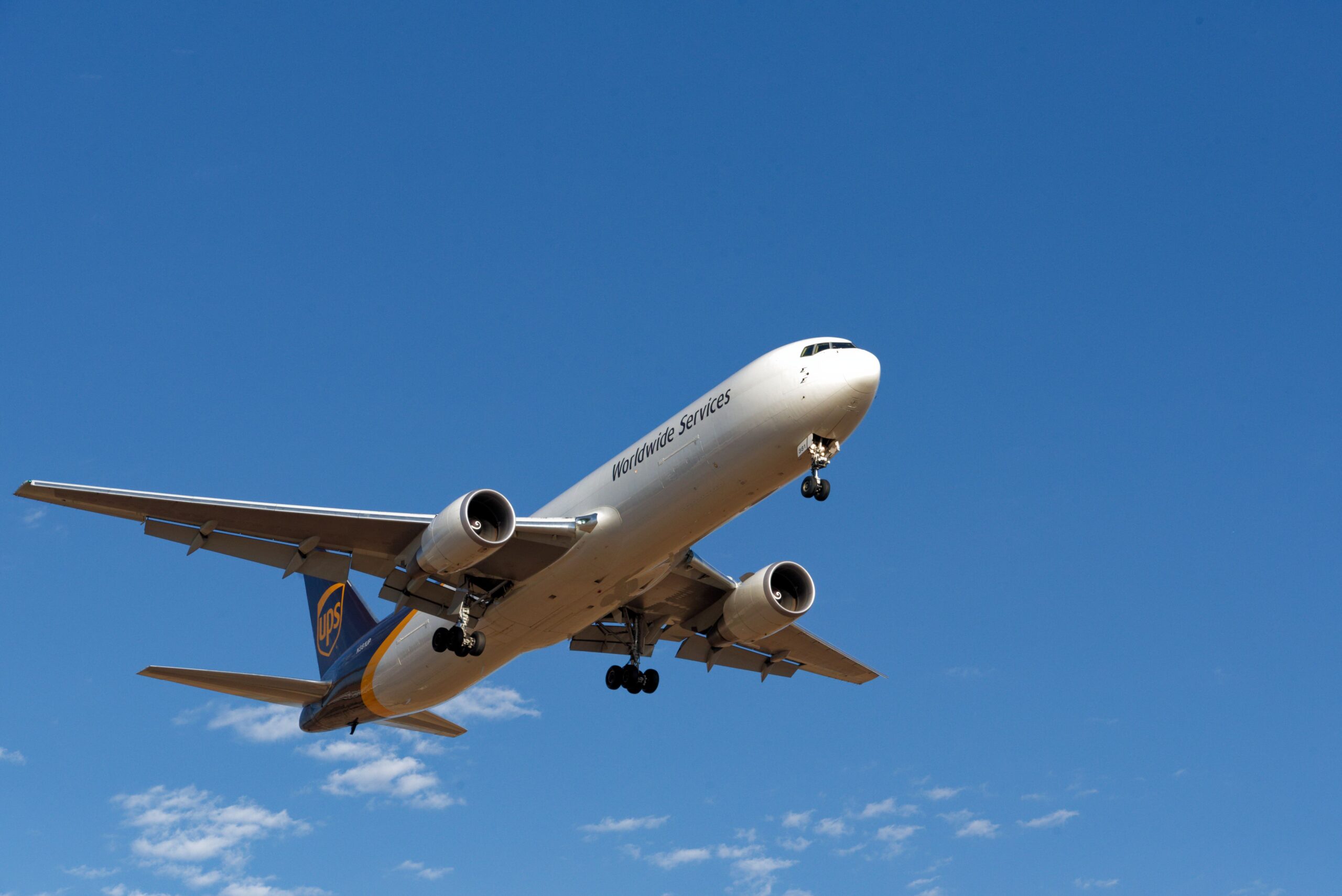
For the 166 passengers and six crew members of the Copa flight, the experience was one of sudden jolts and immediate reassurance. The airline confirmed that preliminary information indicated the collision involved the wing tip, a part of the aircraft designed to withstand certain impacts, which likely mitigated more severe structural damage. The UPS aircraft, a Boeing 767 used for cargo, sustained nose damage, a critical area for landing gear and control surfaces, necessitating a thorough inspection before it could return to service. The fact that both aircraft were moving along the taxiways, rather than one being stationary, suggests a dynamic failure in spatial awareness or communication between the pilots and controllers, or between the two aircraft.
The aftermath of the incident will likely involve a detailed investigation by the National Transportation Safety Board (NTSB) and the FAA to determine the root causes. Questions will center on the clarity of the controller’s instructions, the pilots’ understanding of the right-of-way, and the impact of the simultaneous telecommunications outage on the overall situational awareness of the airport’s air traffic control center. The outage itself, described as a “telecommunications outage,” had already caused thousands of cancellations, suggesting a significant failure in the infrastructure that supports air traffic control. Whether this outage contributed to the specific collision at MIA remains a key area of inquiry, as the available reports do not explicitly link the two events, though the temporal proximity is notable.
As the dust settles on the taxiways at Miami International Airport, the focus shifts to the recovery of the broader US aviation network. The FAA’s projection of a full return to normal operations by Sunday night provides a timeline for the end of the immediate chaos. For the two individuals treated for minor injuries, the physical consequences are manageable. For the aviation industry, the incident serves as a reminder of the high-stakes nature of ground operations, particularly during periods of systemic stress. The collision, while minor in terms of human harm, represents a significant operational failure that will be scrutinized to prevent recurrence. The interplay between local airport management, airline protocols, and federal air traffic control is under the microscope, with the goal of ensuring that the next time a COPA jet and a UPS cargo plane share a taxiway, the result is orderly movement rather than a collision.
The narrative of the weekend is one of resilience under pressure. Despite the collision and the preceding ground stop, MIA managed to keep operations running by rerouting flights to other taxiways. The quick response of Miami-Dade Fire Rescue and the transparent communication from both the airport authority and Copa Airlines helped manage the immediate aftermath. However, the underlying issues—whether they be technical failures in communication systems or procedural lapses in taxiway management—require rigorous attention. As the aviation industry looks to Sunday night for a return to normalcy, the incident at MIA will stand as a case study in the challenges of maintaining safety and efficiency in a complex, interconnected global network.