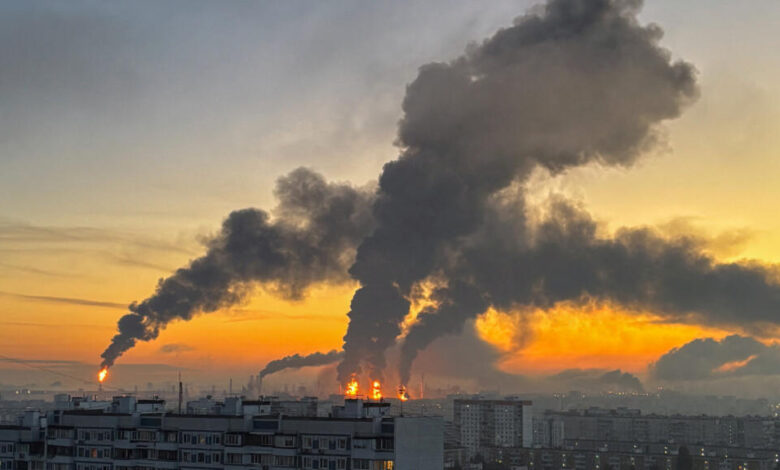
The central development of this overnight assault was the targeting of the Nizhnekamskneftekhim (NKNK) petrochemical complex, owned by Sibur, a leading Russian corporation. According to Mayor Radmir Belyaev, who posted on Telegram, the attack caused damage to facilities within the industrial zone. While the specific extent of the damage to the petrochemical plant was not detailed in official statements, media reports and unauthenticated social media videos showed significant fire activity at the site. This strike represents a strategic shift in the conflict, moving beyond military targets to directly impact Russia’s energy production and refining capacity, sectors that are critical to the Russian economy and war effort.
Simultaneously, Ukrainian strikes reached Taganrog, an industrial port city in the Rostov-on-Don region that borders Ukraine. Regional Governor Yuri Slyusar announced that an engineer at an electricity substation was killed in the overnight attacks. Mayor Svetlana Kambulova reported that a fire at the substation had been extinguished and that a local state of emergency had been declared. The targeting of electrical infrastructure in Taganrog underscores a dual-pronged approach in the Ukrainian campaign: degrading Russia’s energy generation capacity in the interior while disrupting power distribution in border regions that support military logistics.

The Russian Ministry of Defense issued a statement claiming that its air defense systems had shot down 533 Ukrainian drones between Saturday night and Sunday morning across more than a dozen regions of Russia and annexed Crimea. These figures, while indicative of the scale of the drone campaign, remain unverified by independent sources. The high number of intercepted drones suggests a coordinated, large-scale operation designed to overwhelm air defense networks. However, the fact that strikes still landed on critical infrastructure in Nizhnekamsk and Taganrog indicates that current Russian air defense capabilities may be stretched thin or facing saturation, allowing a portion of the drones to penetrate deep into Russian territory.
Kyiv has not issued an immediate response to the specific strikes on Nizhnekamsk and Taganrog. However, the Ukrainian government has previously stated that it targets Russian industrial facilities in direct response to deadly Russian strikes on Ukrainian territory. This pattern of retaliation suggests a strategic doctrine focused on imposing economic costs on Russia and degrading its ability to sustain military operations. The choice of Nizhnekamsk is particularly significant given its role in producing petrochemicals, which are essential for both civilian use and military applications, including the production of certain fuels and materials.
The logistical and geographic constraints of these strikes are notable. Nizhnekamsk is located deep within the Volga Federal District, far from the front lines, requiring drones with substantial range or the use of intermediate launch points. The successful delivery of drones to this location demonstrates the evolution of Ukrainian drone technology and tactics, which have increasingly focused on long-range precision strikes. The attack on Taganrog, being closer to the border, may have involved different drone types or launch methods, but the combined effect of the two strikes illustrates a comprehensive strategy to target both strategic depth and immediate border infrastructure.
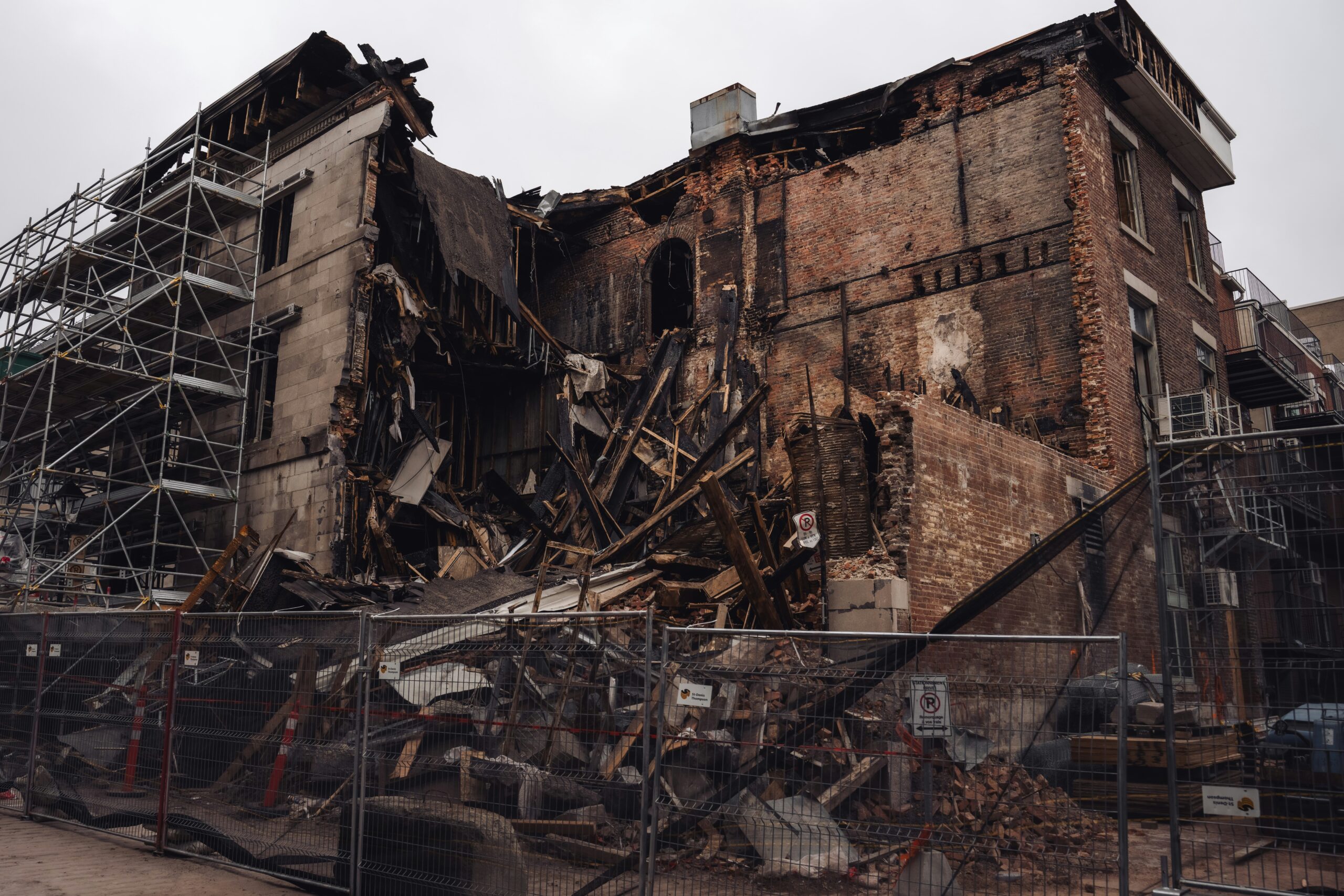
The human consequences of these strikes, while limited in terms of casualties compared to other major attacks, are significant in their disruption of daily life and industrial operations. The injury of three people in Nizhnekamsk and the death of an engineer in Taganrog serve as reminders of the risks faced by civilians and essential workers in Russia. The declaration of a state of emergency in Taganrog further highlights the immediate impact on local services and public safety. These events contribute to a growing sense of vulnerability among the Russian population, challenging the narrative of security that has been promoted by Moscow.
What remains uncertain is the long-term impact on Russia’s petrochemical sector and the resilience of its air defense systems. While the Russian Ministry of Defense claims a high interception rate, the damage to critical infrastructure suggests that the air defense network is under significant pressure. The next confirmed military or policy development will likely involve further Ukrainian strikes on Russian energy and industrial targets, as well as potential Russian countermeasures aimed at protecting these assets. The ongoing exchange of strikes underscores the intensity of the conflict and the strategic importance of economic and industrial infrastructure in modern warfare.