

Acting Army Secretary Adam Telle described the move as a “consensus decision,” stating that expert agencies and both Iowa’s current and incoming governors agree the decision rests with technical specialists. The court noted that the EPA permit includes specific conditions such as physical barriers around the storage area, weather restrictions, advance public notification, and updated air modeling. The judges also observed that the Army evaluated a “full range” of alternatives, including chemical neutralization and thermal treatment, before selecting detonation.
The urgency stems from the discovery in March of several dozen barrels containing degraded lead azide, a chemical used in munitions production. According to court filings by Army Col. Aaron Teller, a munitions emergency response specialist, the material has crystallized due to reduced liquid levels, making it susceptible to freezing. Teller warned that even minor friction could break the crystal formation, triggering an explosive chain reaction. Experts note that lead azide is highly sensitive to heat, shock, and age, with the risk of accidental detonation increasing over time.
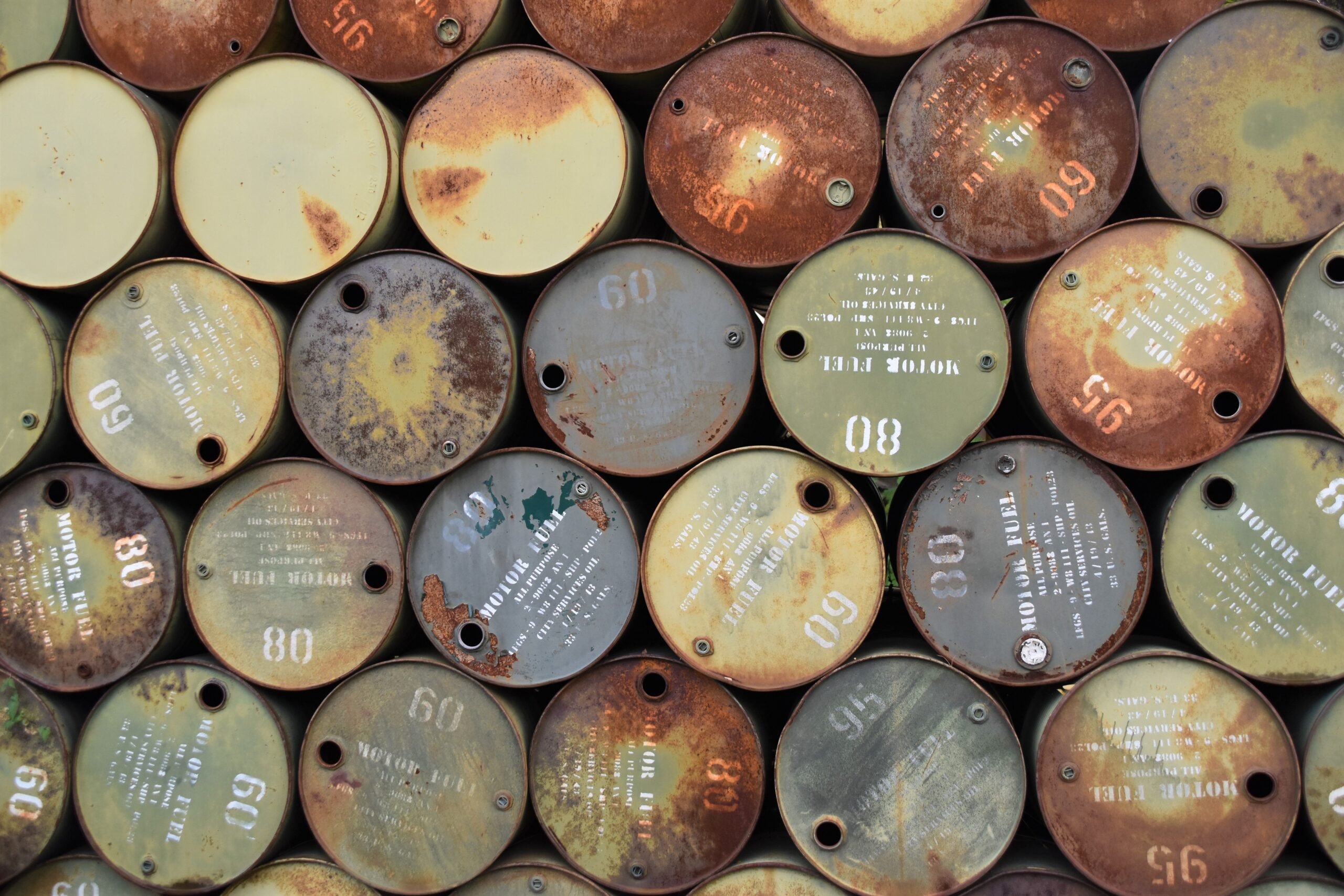
Environmental groups, represented by Earthjustice, sued to halt the detonation, arguing the EPA permit was invalid. Managing attorney Rachel Rintelmann stated that while the organization respects the court’s decision, the Army created the emergency through neglect and owes the public more information and safeguards. Despite the legal victory, the Army has altered the detonation date three times since initially planning it for last Friday, citing favorable weather conditions for Wednesday. Illinois Governor JB Pritzker has placed state agencies on alert, preparing for potential cross-border impacts from the event.
The Iowa Army Ammunition Plant is located approximately 160 miles southeast of Des Moines and 10 miles from the Iowa-Illinois border. Residents in Middletown and surrounding areas have expressed fears regarding a toxic cloud of dust. While the Army asserts that the emergency provision allows for immediate action without standard authorization delays, the legal battle has highlighted the complexity of disposing of aged, unstable explosive materials.
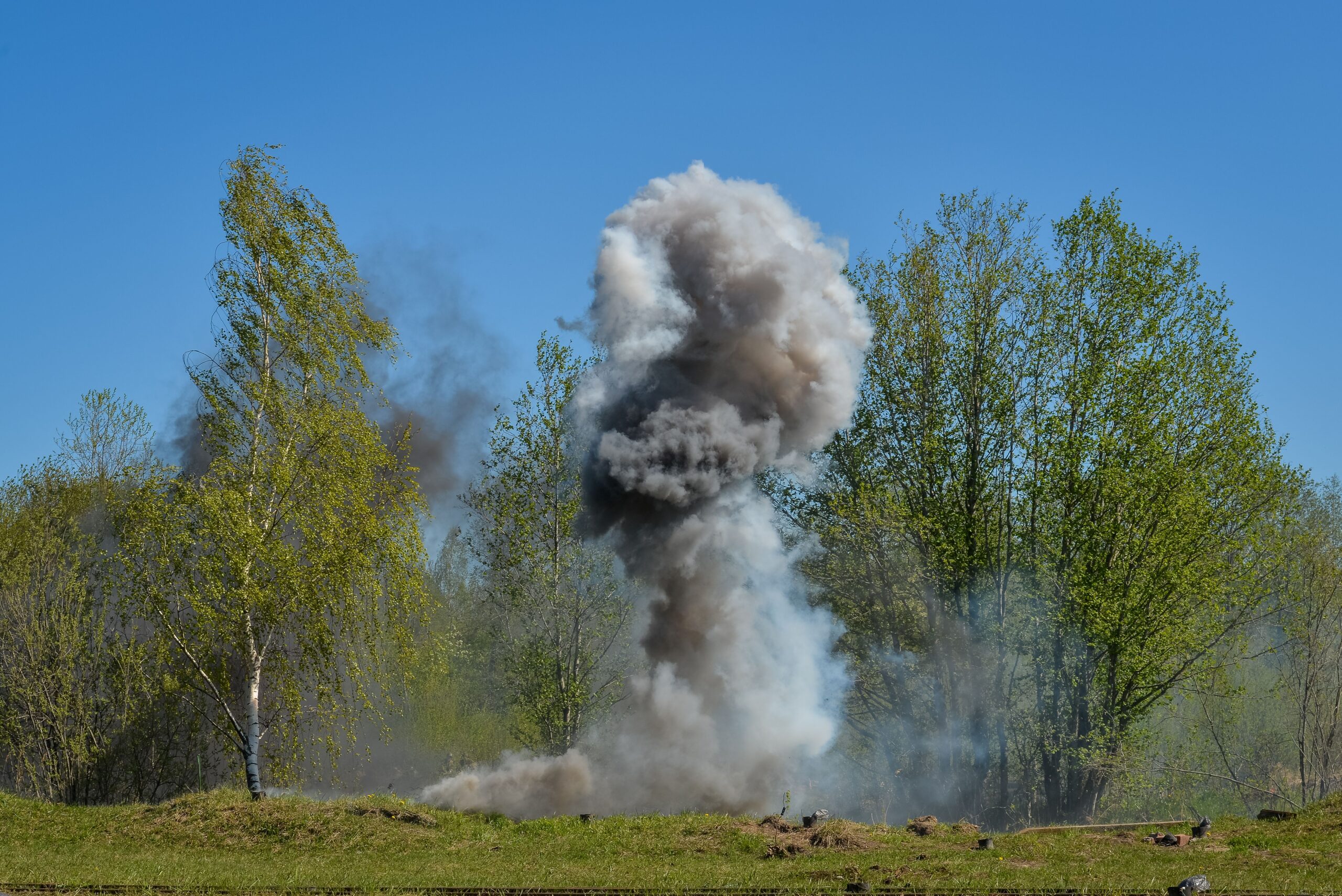
As the deadline approaches, state and federal authorities are coordinating final preparations. The next scheduled step is the controlled removal and detonation of the 68 barrels on Wednesday morning, with environmental monitoring and sampling protocols in place to assess air quality immediately following the blast.