
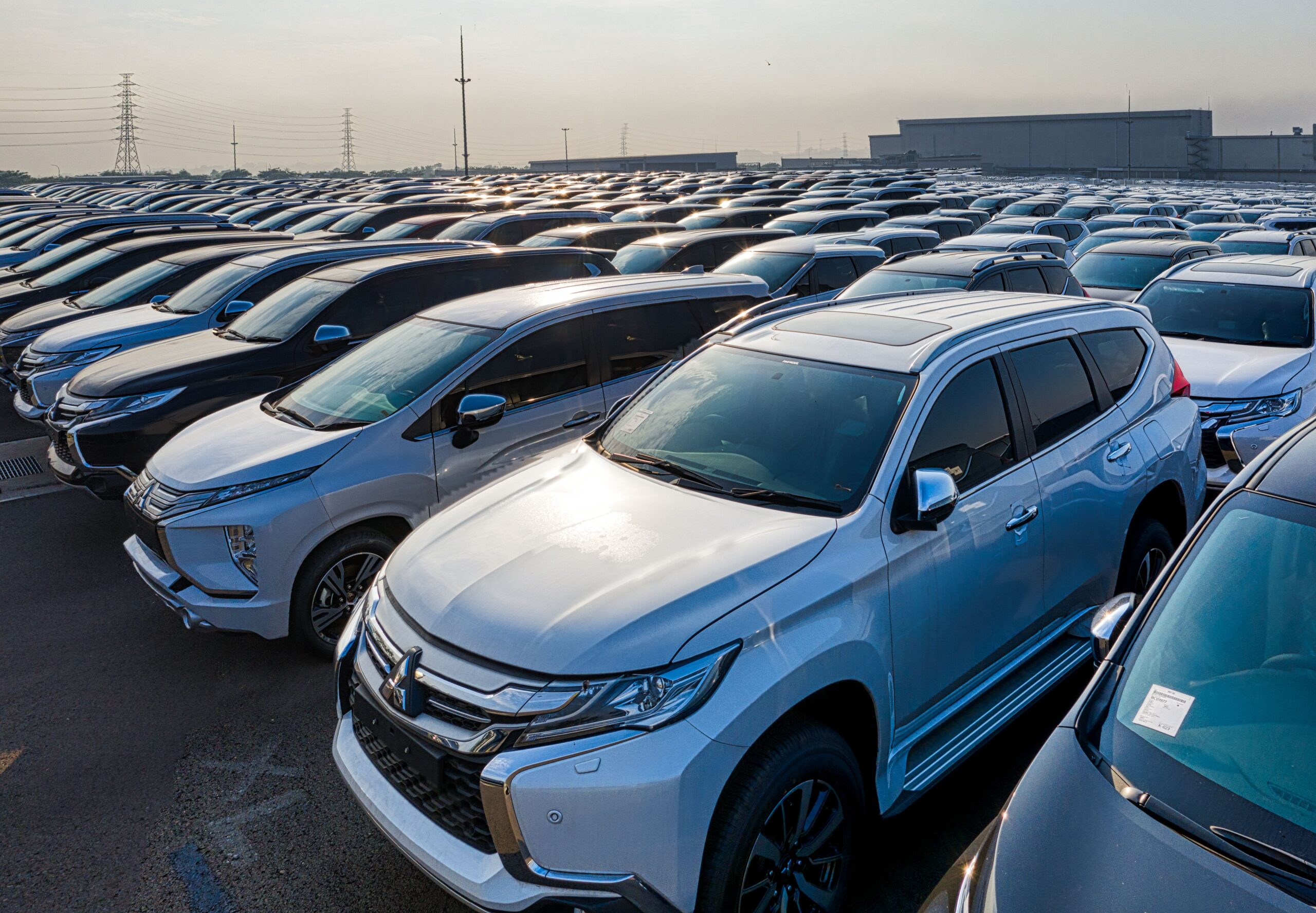
The central economic objective is to lower vehicle prices for middle- and lower-middle-income consumers. The government states that import duties on completely built units (CBUs), assembly kits, and components will be reduced annually over the next five years, leading to gradual price declines across most vehicle categories, excluding luxury models. Industry analysts, including Topline Securities, have projected that petrol vehicles could become 8–10 per cent cheaper, with certain plug-in hybrids seeing reductions exceeding 20 per cent. However, these figures remain projections rather than confirmed price cuts, and officials have not provided specific dates for when these reductions will materialize in showrooms.
A significant portion of the policy is dedicated to accelerating the adoption of electric vehicles. The proposal introduces a tiered sales tax structure: 1 per cent for fully electric vehicles, 6 per cent for range-extended electric vehicles, and 9 per cent for plug-in hybrid electric vehicles. Additionally, EVs priced under $50,000 would be exempt from capital value tax, withholding tax, and federal excise duty. To finance these incentives, the government proposes an Automotive Development Levy (ADL) on internal combustion engine vehicles with displacements above 1,000cc. Crucially, these tax concessions are not yet implemented; they require clearance from the International Monetary Fund (IMF) and formal cabinet approval, a process that has only just begun.
The policy also addresses financing constraints by proposing higher loan limits, including Rs10 million facilities for EVs, to make ownership more accessible. Regulatory reforms aim to curb market inefficiencies, such as the “on-money” practice, by capping advance payments at 20 per cent of the vehicle price. Furthermore, localisation is mandated to reduce dependence on imported components, although the government acknowledges that the current market is dominated by 16 car/SUV makers and 100 two-wheeler manufacturers, with no single entity holding a monopoly.
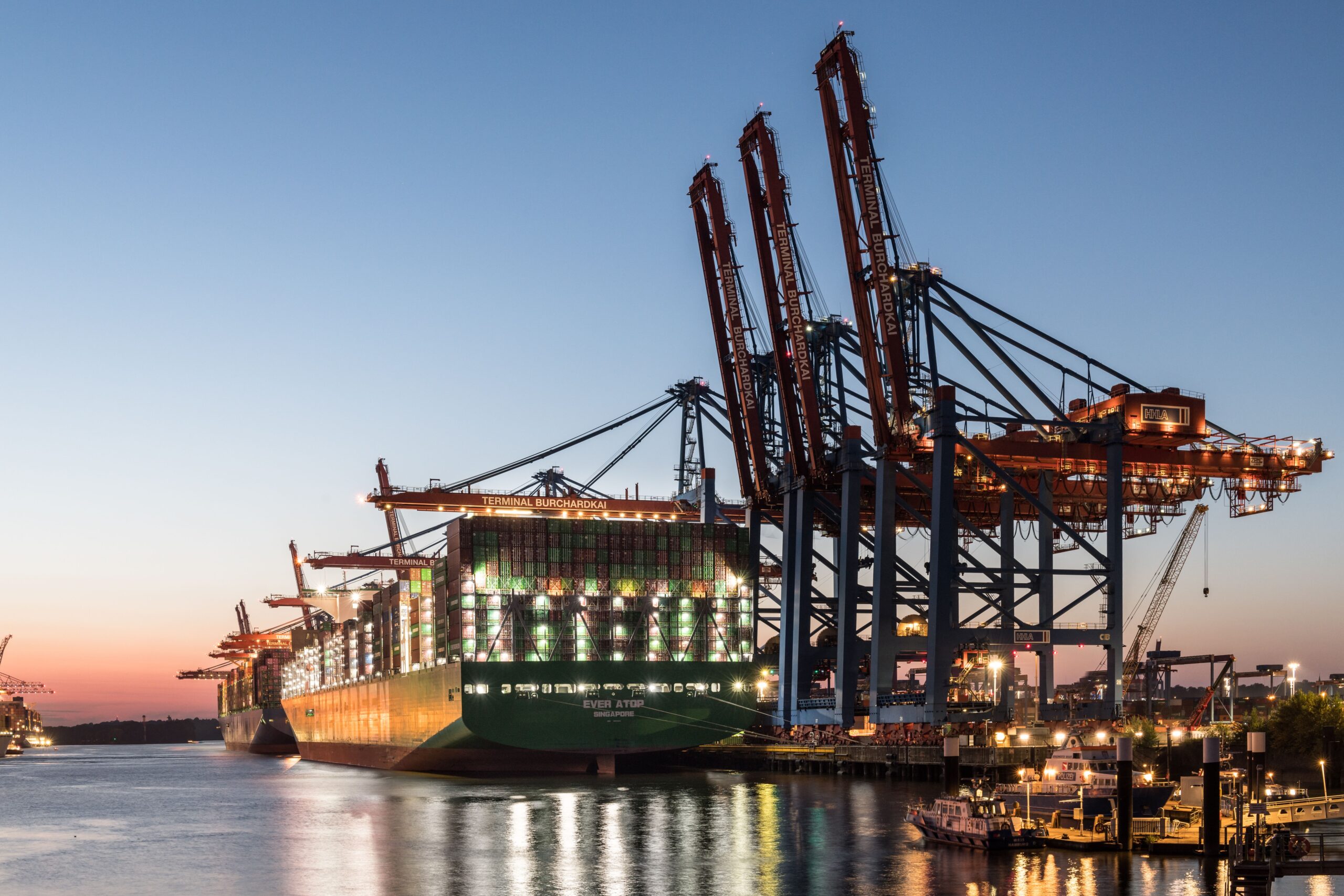
Despite domestic ambitions, the policy faces substantial international and diplomatic challenges. A senior Prime Minister’s Office official revealed that Prime Minister Shehbaz Sharif is dissatisfied with the industry’s export performance and has directed officials to double the proposed annual export target. While the draft policy targets $4 billion in annual exports by 2031, the Prime Minister has requested this figure be raised to $8 billion per annum. The policy currently sets a cumulative five-year export target of $6 billion, a sharp increase from previous levels where exports were largely limited to parts rather than finished vehicles.
These aggressive export targets are linked to licensing and tariff concessions, a mechanism that experts warn could provoke trade disputes. Japanese automakers have already raised concerns with the World Trade Organization (WTO) regarding similar rules that tie vehicle manufacturers’ export performance to their ability to operate or benefit from import tariffs. The retention of these export-linked incentives in the new policy is likely to reignite this dispute, potentially complicating Pakistan’s trade relations with Tokyo and other global partners.
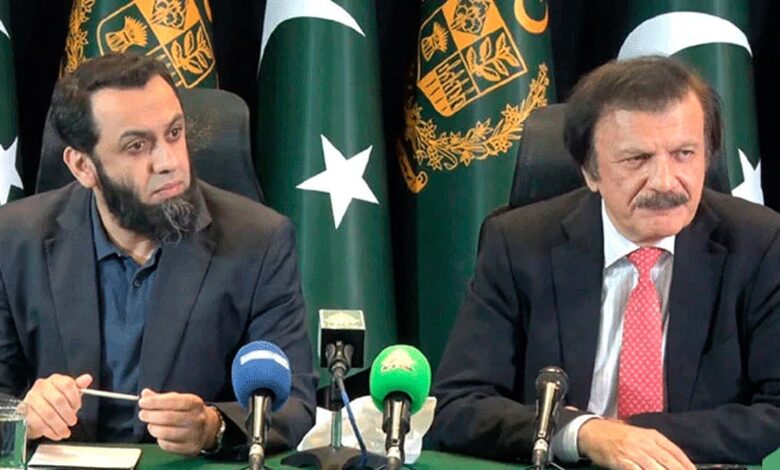
There is also a notable discrepancy in the status of the policy. While officials announced the framework on Saturday, clarifying that cabinet approval has “begun,” a senior PMO official told Arab News on Friday that the policy is still being finalized and that several working papers had been “deliberately leaked to the media.” This suggests that the announced measures are preliminary and subject to further review by committees, including one led by Energy Minister Awais Leghari, which has held 14 sessions with economists to balance industrial protection with market competition.
The policy aligns with Pakistan’s National Tariff Policy 2025–30, aiming to lower the cost of production and the import bill for raw materials. However, the immediate market impact remains uncertain. Until the IMF verifies the fiscal impact of the EV tax cuts and the cabinet formally ratifies the framework, the promised price reductions and financing expansions remain policy intentions rather than economic realities. The next critical step is the completion of the formal written draft and the resolution of the export target mismatch between the drafting committee and the Prime Minister’s office.
For investors and consumers, the signal is clear: Pakistan is attempting to restructure its automotive sector to be more globally competitive and technologically modern. However, the success of this transition hinges on navigating complex trade rules, securing international financial backing, and ensuring that the mandated localisation does not stifle the very competition needed to drive down prices.


One Comment