
Jens Lottner, CEO of Techcombank, one of Vietnam’s largest privately owned banks, estimates the financing gap is larger, placing it at $200 billion on top of total investment needs of $1.1 trillion. Lottner stated that local banking systems cannot finance these projects due to limited deposit-generating capacity. Consequently, the shortfall must be filled by foreign investment. However, institutional investors remain cautious due to capital controls that make it difficult to exit investments. “It’s not difficult to get money into Vietnam,” said Piro, a cited analyst. “It’s getting money out.”
Beyond capital, Vietnam faces structural challenges including a labor shortage and rising wages. The surge in construction and manufacturing has driven up costs for both skilled and unskilled workers, narrowing Vietnam’s competitive edge against China. Low-value manufacturing is already shifting to cheaper economies like Cambodia and Bangladesh. Electronics suppliers seeking to relocate near major clients like Samsung report that labor costs and availability make proximity unaffordable. “We always thought people were our biggest resource, with a population of over 100 million,” Piro noted, adding that demographics will worsen these pressures.

To address these structural issues, the government has introduced Resolution 79, which repositions state-owned enterprises (SOEs) as strategic anchors in capital-intensive sectors such as infrastructure, energy, and finance. The resolution aims to reduce overlap between SOEs and private firms in competitive markets, creating space for private enterprises to expand in downstream activities. By narrowing the operational scope of SOEs to foundational industries, the policy seeks to improve governance and create a more predictable environment for private investment. Professor Hoang Van Cuong, a National Assembly deputy, noted that the resolution allows the private sector to maximize its potential while the state maintains strategic leadership.
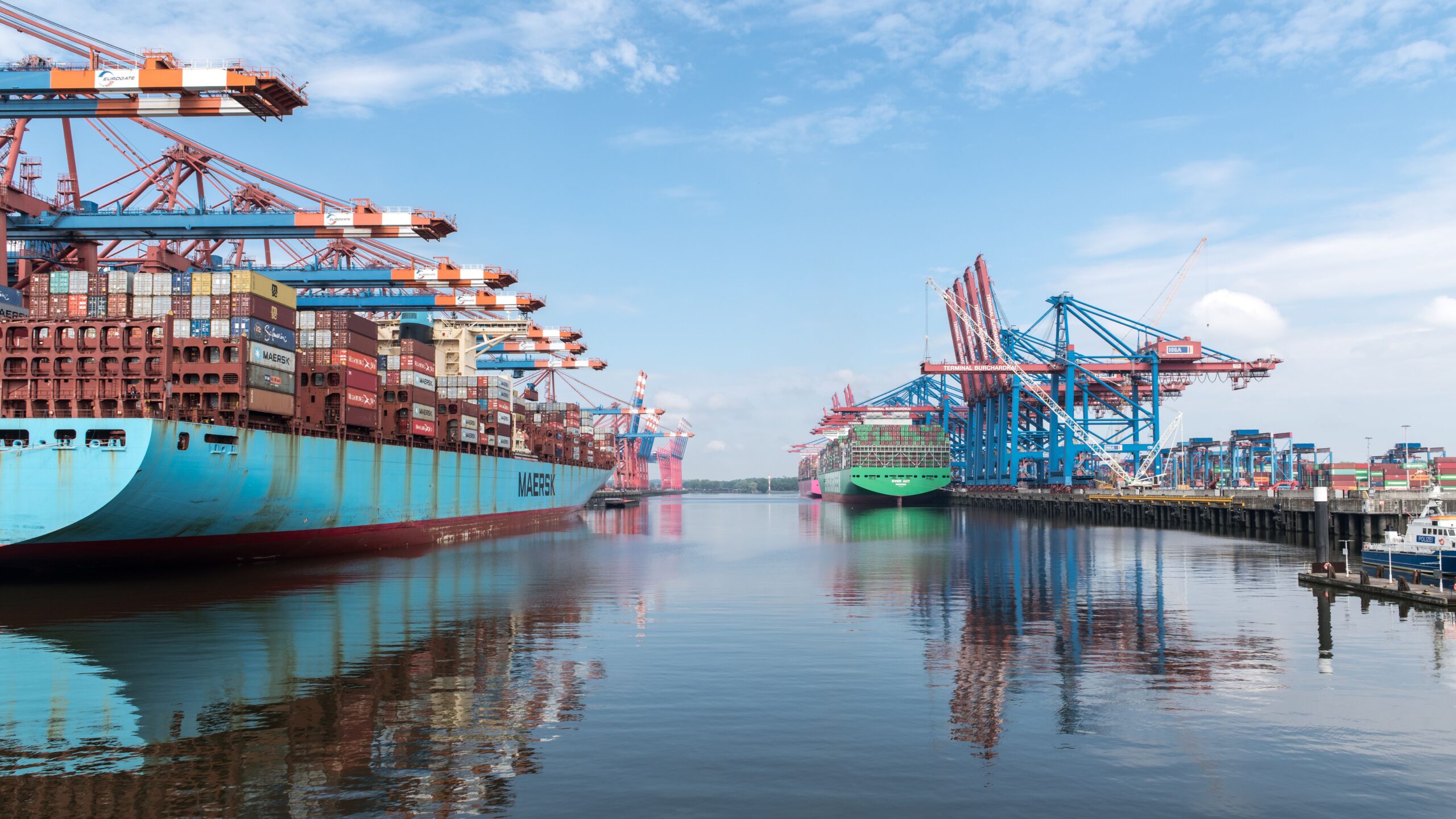
The strategy also emphasizes the role of large private corporations, such as those in the VNR500 ranking, in leading innovation and expanding production. These enterprises are expected to act as nuclei connecting the business ecosystem, encouraging small and medium-sized enterprises to participate in supply chains. However, logistics remains a bottleneck, with experts warning that if Vietnam cannot scale its ports or complete cross-border rail infrastructure on time, capital will look elsewhere. The government is also pushing to transform corporate culture into a tangible economic asset, moving beyond normative guidelines to measurable competitive advantages in management and production.
The next major milestone involves the implementation of the new Ho Chi Minh City financial center, which is intended to address financial infrastructure gaps for foreign investors, though the project remains in early stages. Success in the coming years will depend on whether Vietnam can secure the necessary foreign capital and manage labor market dynamics to meet its 10% growth target.