Analysts suggest that removing these expenses will help funnel more yuan overseas and create a larger offshore liquidity pool, capitalizing on a global trend toward “de-dollarisation.” In a written interview with China Daily, the PBOC attributed the recent surge in issuances to the well-functioning nature of its bond market, the financing-cost advantages of panda bonds, and continuous policy improvements. The central bank stated that it will “continuously optimize and improve the policy environment” to facilitate participation by more overseas institutions, including sovereign states, thereby meeting their RMB financing needs.
The momentum is driven by a record-breaking year for sovereign issuers. In 2025, sovereign panda bond issuances reached a high of 7 billion yuan. This year, governments from Indonesia, Kazakhstan, and Pakistan, along with Kazakhstan’s sovereign wealth fund, made their debut in the market, raising a combined 19.15 billion yuan ($2.83 billion). This figure marks the largest annual sovereign panda bond issuance on record. Since the market’s launch in 2005, 13 sovereign states and institutions have issued panda bonds worth a cumulative 56.61 billion yuan. Indonesia recently joined this group by issuing 7 billion yuan in sovereign panda bonds in July, while Brazil plans to issue panda bonds within the next few months to become the first Latin American sovereign issuer.

Amidst this expansion of the yuan bond market, Pakistan is also navigating complex financial dynamics with the United States. Islamabad’s bid to secure a $10 billion Exchange Stabilization Support Facility (ESSF) from the U.S. Treasury’s Exchange Stabilization Fund may face a longer review process. The facility is designed to prevent currency instability and support partner countries’ currencies through foreign exchange market intervention, acting as a guarantor or backstop rather than an upfront cash loan.
Pakistani officials had previously expressed confidence in the approval of the facility. In July, Finance Minister Muhammad Aurangzeb met with U.S. Treasury Secretary Scott Bessent to formally seek the funds, and diplomatic sources indicated “strong chances” of approval. However, following the U.S. midterm elections, the political landscape in Washington has shifted. Increased friction between the White House and Congress is likely to subject financial commitments to Islamabad to greater scrutiny. Consequently, Pakistani officials have sought to lower expectations regarding the timeline, with the finance minister acknowledging that the facility might require more time to become operational than initially anticipated.
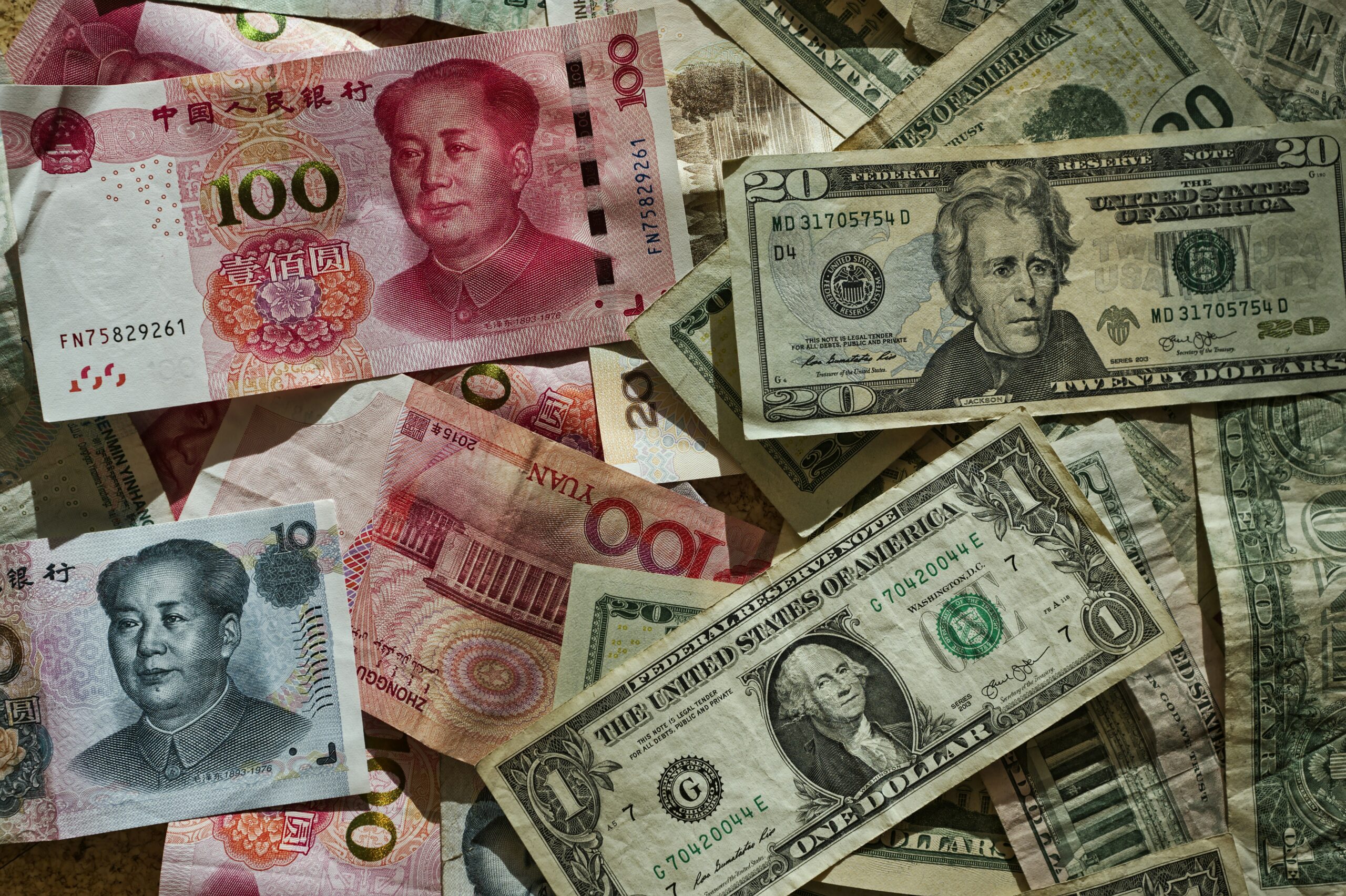
The divergence in financial strategies highlights the current geopolitical and economic landscape: China is actively incentivizing foreign borrowers to diversify away from the U.S. dollar through cost waivers and policy support, while Pakistan’s access to U.S. financial backstops faces uncertainty due to domestic political changes in Washington. The next phase for the panda bond market will involve monitoring the implementation of the fee waivers starting in September and the potential debut of Brazilian sovereign debt.