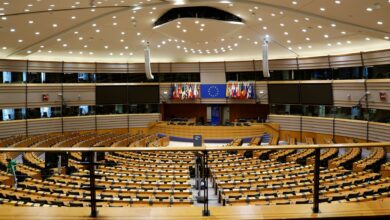

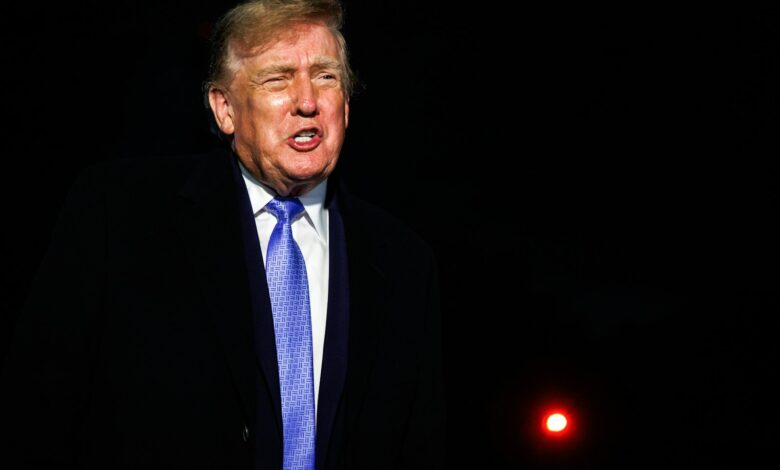
The tension intensified after Trump made apocalyptic threats during his Tuesday speech at the UN, where he suggested the goal was to drive Iran “into hell with no chance of survival and no hope of future greatness or generations.” The speech, which was met with walkouts from various delegations including the Iranian contingent, marked a sharp divergence from the diplomatic efforts underway on the sidelines of the assembly. Despite the hostile language, Trump appeared optimistic about a potential peace deal, noting that U.S. envoys Steve Witkoff and Jared Kushner had held a three-hour meeting with Iranian representatives.
The core of the current diplomatic impasse revolves around a truce proposal put forward by Iran. The terms involve the reopening of the Strait of Hormuz in exchange for the United States ending its blockade of Iranian ports, lifting sanctions on Iranian oil exports, unfreezing an estimated $12 billion in Iranian assets, and agreeing to a region-wide ceasefire that includes Yemen and Lebanon. These terms mirror concessions that were part of a memorandum of understanding in June, an agreement that subsequently collapsed. For Iran, the proposal represents a move from a position of strength, seeking to secure economic relief and the restoration of critical maritime trade routes.
“He wanted unconditional surrender in the previous war in two days, and now, it is eight months they are fighting with no result. A new aggression would be certainly the same,” Araghchi said.
However, the U.S. position remains rigid. On Saturday, Trump explicitly rejected the Iranian proposal, claiming that Tehran’s motivation for seeking a deal was that they are “losing so badly.” While expressing a willingness to make a deal, Trump stated that the current terms were “not acceptable.” This rejection has left the two nations in a stalemate, with the U.S. maintaining its blockade of Iranian ports and Iran refusing to reopen the Strait of Hormuz, a critical chokepoint for global energy supplies.

The economic consequences of this prolonged standoff are becoming increasingly apparent. The continued blockade of Iranian ports and the uncertainty surrounding the Strait of Hormuz have disrupted global trade flows, contributing to broader economic suffering in the region. The inability to reach a resolution, despite the high stakes involved in the $12 billion in frozen assets and the strategic importance of the waterway, suggests that neither side is currently willing to make the necessary concessions to end the hostilities. The situation is further complicated by the lack of urgency in finding a solution, with even the impending U.S. midterm elections failing to spur a more aggressive push for resolution.
Araghchi’s recent remarks serve as a reminder that Iran views the current conflict not as a defeat, but as a test of resilience. By framing the U.S. threats as an escalation that will yield no results, the Iranian foreign minister aims to delegitimize the pressure tactics employed by Washington. The reference to the previous phase of the conflict, where Trump sought “unconditional surrender” within days, highlights Iran’s belief that the U.S. strategy is ineffective and that a new aggression would face the same lack of result.
As the diplomatic channels remain strained, the focus shifts to the tangible impacts on the global economy. The unresolved status of the Strait of Hormuz continues to pose a risk to international shipping and energy markets. The $12 billion in frozen assets remains a significant point of contention, with Iran viewing its unfreezing as a prerequisite for any meaningful engagement. Meanwhile, the U.S. maintains its stance, arguing that Iran’s current position does not meet the requirements for a sustainable peace.

The next steps in this geopolitical confrontation will likely depend on whether either side is willing to revisit the terms of the failed June memorandum. For now, the warning from Tehran is clear: the door to war has not been closed. With the UN General Assembly having concluded without a breakthrough, the focus returns to the military and economic pressures that continue to shape the conflict. The absence of a decisive policy shift from Washington, despite the economic costs and regional instability, suggests that the standoff may persist into the foreseeable future, leaving global markets and regional actors in a state of prolonged uncertainty.
The household and business impacts of this delay are felt through sustained supply chain disruptions and energy price volatility, driven by the continued closure of key trade routes. As the diplomatic window narrows, the risk of renewed hostilities remains a dominant factor in economic planning for businesses operating in the Middle East and beyond. The next critical data point will be any movement in crude oil prices or shipping insurance rates, which will reflect the market’s assessment of the likelihood of a renewed conflict in the Strait of Hormuz.