

The rejection arrives at a critical juncture, just over a week after Trump announced what he described as a “monumental step toward lasting peace,” claiming that Hamas had agreed to disarm in exchange for an Israeli military withdrawal. Netanyahu’s counter-position is stark: he asserts that Hamas must disarm first, warning against any “fictitious disarmament.” “Israel rejects the 15-point document,” Netanyahu stated, emphasizing that the Israeli military will continue to “thwart threats against our forces and our citizens.”
This diplomatic standoff is compounded by a simultaneous escalation on the ground. On Thursday, Netanyahu disclosed that he had directed the IDF to increase its control of the Gaza Strip from the current 60% to 70%. “We are currently squeezing Hamas,” he told a conference, noting that while the initial October 2025 ceasefire agreement saw Israeli forces withdraw to a demarcation line known as the “yellow line,” allowing for 53% control, his new directive aims to expand that footprint significantly. “Let’s go step by step. First of all, 70. Let’s start with that,” he said, despite audience members suggesting a figure of 100.
The expansion of military control directly contradicts the terms of the ceasefire brokered in October 2025, which was designed to facilitate a phased withdrawal and reconstruction. The UN estimates that approximately 1.9 million people—90% of Gaza’s population—have been displaced since the war began. According to Hamas-run health ministry figures, which the UN considers reliable, the death toll has reached 72,742 Palestinians, including at least 21,283 children, with 172,565 injured. Since the ceasefire took effect in October, at least 738 Palestinians have been killed, indicating that the agreement has not halted military operations.
Analysts suggest that Netanyahu’s hardline stance is driven by domestic political pressures. With Israeli elections approaching in September, the Prime Minister faces intense scrutiny from his right-wing coalition, including National Security Minister Itamar Ben Gvir, who dismissed the draft peace plan as “not acceptable.” Ben Gvir and Finance Minister Bezalel Smotrich have previously defended the concept of “voluntary migration” from Gaza, a policy critics argue amounts to forced displacement. Academic Mohannad Mustafa, an expert on Israeli affairs, argues that Netanyahu is obstructing humanitarian aid and reconstruction to maintain a comprehensive military occupation, driven by a strategic crisis stemming from his failure to fully destroy Hamas.
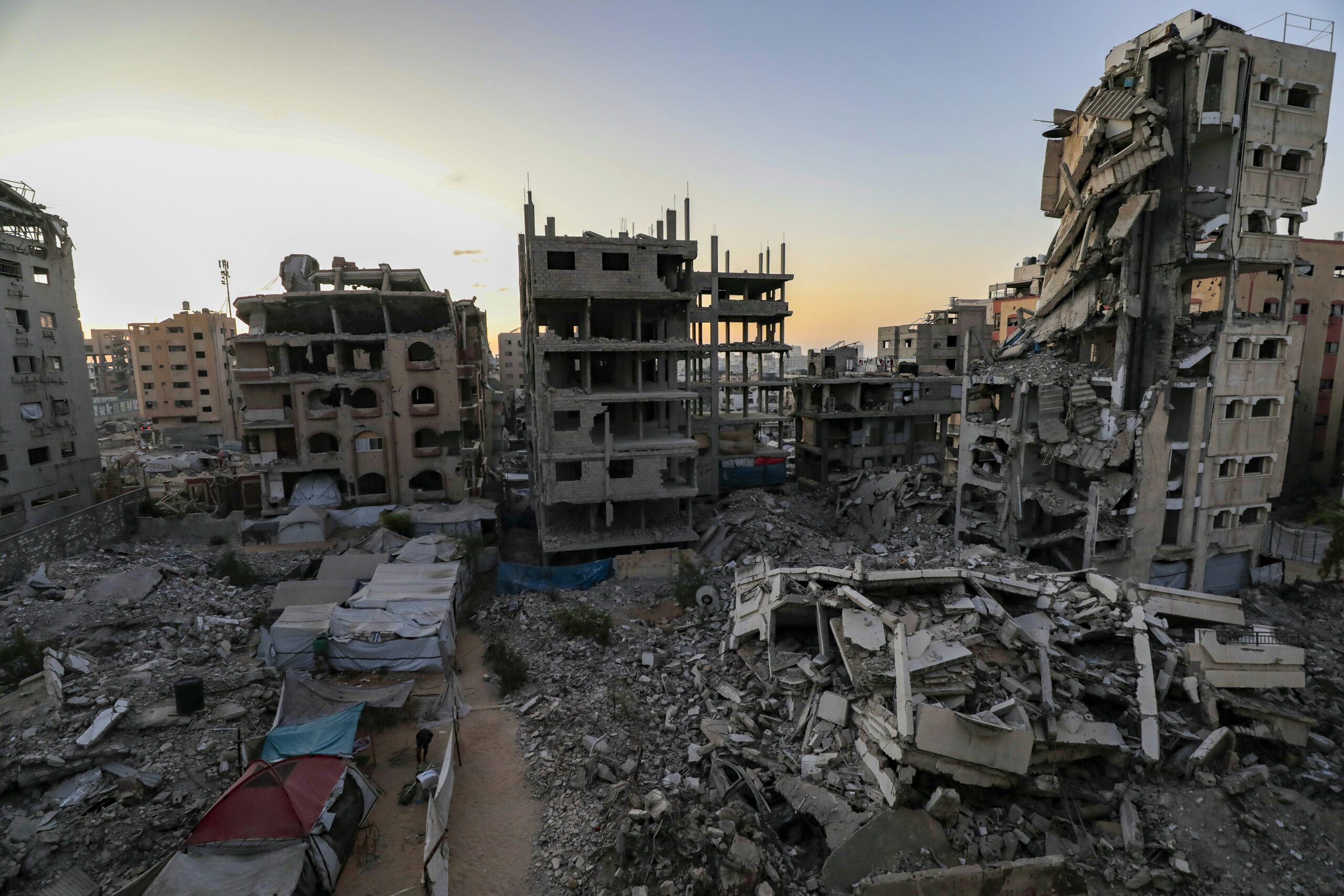
Meanwhile, the US-led mechanism intended to enforce the ceasefire, the Board of Peace, is struggling to impose its terms. Nickolay Mladenov, a senior diplomat tasked with implementing the plan, insisted on Sunday that the 15-point document remains the “only way forward” to prevent a repeat of the October 7, 2023 attacks. He described the plan as a verifiable and reversible process, stating that Israel would not be required to withdraw until Hamas’s disarmament steps could be independently verified. “We have built up with a very clear-eyed understanding of what are the challenges ahead,” Mladenov told Israel’s Channel 12.
In response to Netanyahu’s rejection, a Hamas official told the BBC that the group “reaffirms its commitment” to the agreement and is ready to engage seriously in its implementation. The official called on mediators to ensure all parties comply with the agreed terms, noting that Hamas’s handover of heavy weapons is contingent on Israel ending “all forms of aggression” and withdrawing its forces. This deadlock leaves the region in a state of suspended resolution, with indirect, US-brokered talks stalled and the humanitarian situation in Gaza deteriorating.
The tension is further exacerbated by continued Israeli strikes on Gaza. In recent days, attacks have targeted senior Hamas figures, including the newly chosen head of the military wing, Mohammed Odeh, and battalion commander Imad Asleem. Israeli Defence Minister Israel Katz stated on social media that Israel remains pledged to “eliminate everyone who led the October 7 massacre” and that Hamas will not rule Gaza civilly or militarily. As Netanyahu navigates the pressure from his coalition and the diplomatic fallout from Washington, the directive to expand territorial control to 70% signals a shift toward a prolonged military presence rather than the phased withdrawal envisioned by the US-led peace framework.





One Comment