
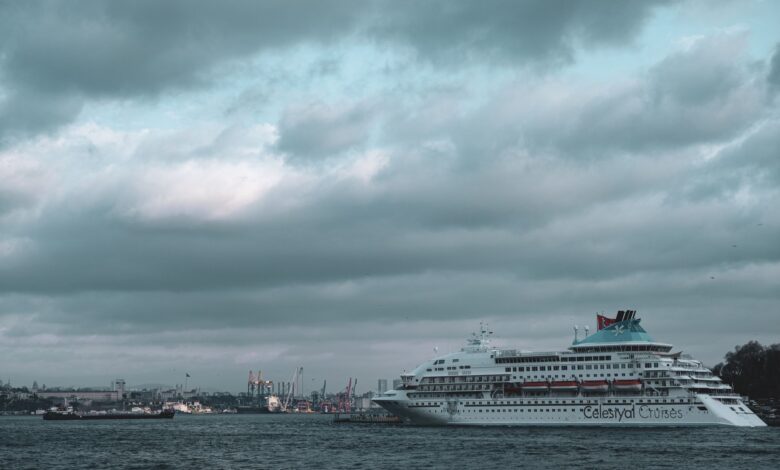
The vessel, often referred to in media as a “forever” cruise ship, was distinct from traditional cruise lines that operate on fixed itineraries for short-term vacationers. Instead, the concept centered on selling permanent ownership or long-term residency rights to the ship, allowing occupants to make it their primary home while the vessel traveled continuously around the globe. This model appealed to a demographic seeking a blend of luxury hospitality and permanent residency without the geographical constraints of land-based living. However, the seizure by Singaporean authorities signals that the financial mechanisms supporting this lifestyle have failed to sustain the operation.
The intervention by Singaporean authorities places the vessel in a legal and logistical limbo. Singapore is a major global hub for maritime trade and tourism, and its strict regulatory framework regarding vessel registration, debt enforcement, and passenger safety provides the jurisdictional basis for the seizure. While the specific details of the financial default are not disclosed in the available reports, the action suggests that creditors or regulatory bodies determined the operator was no longer capable of meeting its obligations. This is a critical turning point for the passengers and owners who invested in the concept, as their plans for a permanent mobile life are now subject to legal proceedings and potential liquidation or reorganization.
Geopolitically and economically, the seizure illustrates the intersection of luxury real estate trends with maritime law. The “cruise community” concept has gained traction in recent years as an alternative to traditional retirement homes or urban housing, particularly among high-net-worth individuals seeking flexibility and status. However, these ventures often rely on complex financing, including loans secured by the vessel itself and pre-sales of units. When such financial structures deteriorate, the consequences are immediate and tangible, affecting not just the corporate balance sheet but the living situations of individuals on board. The incident in Singapore serves as a cautionary case study for similar projects elsewhere, highlighting the risks associated with unproven business models in the maritime sector.
The broader implications extend to the cruise industry’s evolving relationship with port states. As cruise lines experiment with longer stays and more permanent resident models, they encounter varying degrees of regulatory scrutiny from port authorities. Singapore’s decision to seize the ship reflects a standard enforcement of maritime law regarding financial distress, but it also raises questions about the protections afforded to passengers in such niche operations. Unlike traditional cruise passengers who are transient and protected by established consumer rights frameworks, the residents of a “forever” ship hold a more ambiguous legal status, complicating their rights during a seizure event.
For the industry, this event may prompt a reassessment of the viability of permanent cruise communities. The initial appeal of such projects lay in their promise of freedom and luxury, detached from the static nature of land-based real estate. Yet, the underlying economics remain bound by traditional financial constraints. The seizure in Singapore demonstrates that without robust financial resilience, the promise of a “forever” home at sea can quickly unravel. Investors and potential buyers in similar ventures are likely to scrutinize the financial health and regulatory compliance of operators more closely, potentially slowing the expansion of this market segment in the near term.
The immediate consequence for those on board is uncertainty. The seizure halts the ship’s itinerary and places the vessel under the control of legal authorities. The resolution of the case will depend on the outcome of financial negotiations or court proceedings, which could take months or years. In the interim, the ship remains in Singapore, a stark symbol of the gap between the marketing of a seamless, global lifestyle and the rigorous realities of international maritime law and financial stability. The episode serves as a reminder that even in the most luxurious and mobile of living arrangements, the foundational requirements of financial solvency and legal compliance remain non-negotiable.

As the legal processes unfold, the fate of the vessel and its occupants will be determined by the courts and the willingness of creditors to negotiate. The concept of living permanently at sea, once a novel and attractive proposition, now faces a significant test of its durability. The seizure in Singapore is not merely a local incident but a signal to the global maritime community that innovative business models in the cruise sector must be underpinned by solid financial foundations to withstand the pressures of the international stage.
The situation leaves the central tension unresolved: the desire for a borderless, permanent lifestyle versus the rigid constraints of state jurisdiction and financial law. Until the legal and financial matters are settled, the ship remains immobilized in Singapore, a tangible manifestation of the challenges facing the “forever” cruise concept.