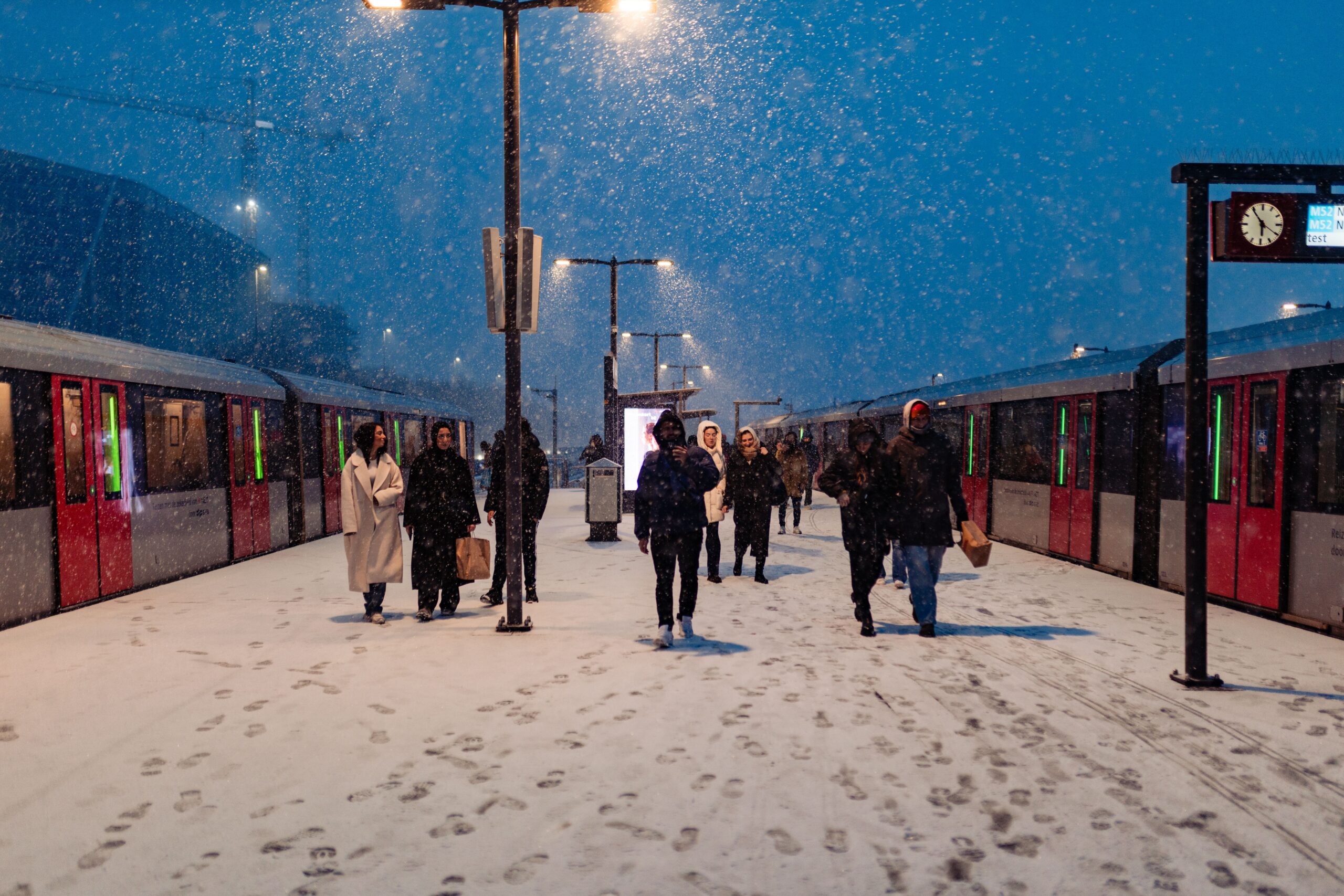
The cold snap, described as some of the winter’s coldest weather so far, has created a synchronized disruption across the UK, France, and the Netherlands. In the Netherlands, where the weather service noted severe conditions, NS Dutch railways reported that services were heavily impacted, particularly in the Amsterdam region. The airport at Schiphol, the country’s main international hub, cancelled approximately 700 flights on Monday—more than half of the scheduled departures and arrivals. Authorities indicated that wintry weather would likely force further cancellations in the coming days, with reduced traffic expected for the remainder of the week.
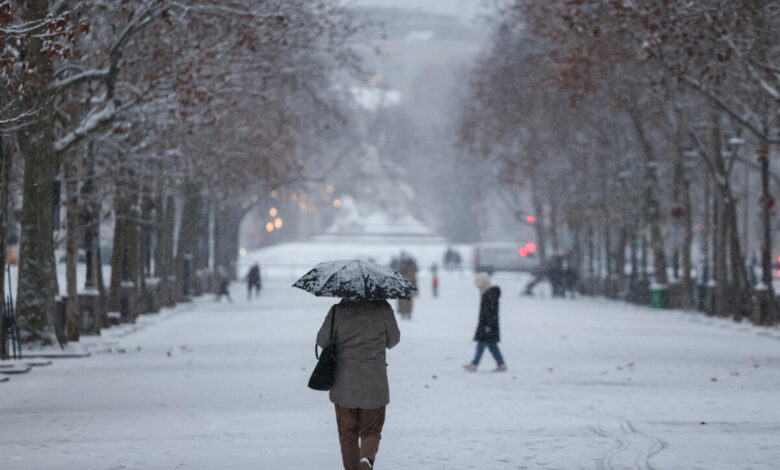
In France, the impact was equally severe. Meteo France issued an orange alert for snow and ice across much of northwest France, including the Paris region. At the two major Paris airports, Charles de Gaulle and Orly, heavy snowfall compelled airlines to reduce flight operations by 15 percent. French Transport Minister Philippe Tabarot stated at a press conference that 250 snowploughs were on standby at the airports to mitigate the effects, though he acknowledged that “cancellations and some delays” were likely. On the ground, the ice and snow disrupted the bus network in Paris on Monday afternoon, while roads in the northwest Normandy region and the capital suffered from long rush-hour tailbacks.
The United Kingdom faced similar meteorological challenges, with the Met Office issuing fresh warnings for snow and ice for Scotland, Northern Ireland, and parts of northern England. The cold was intense enough to trigger health alerts for all English regions, which remained in place until Friday. In the high hills of Shap in Cumbria, northwest England, temperatures dropped to a low of -10.9°C on Sunday night. The Met Office forecast that overnight into Tuesday, temperatures would fall below freezing for much of the country, with the lowest temperatures over lying snow potentially dipping to -12°C.
The physical response to the weather has been substantial. In Scotland, British railway authorities deployed snowploughs to clear tracks in the northeast, where heavy snow reached up to 52 centimetres in Tomintoul, near Inverness. The severity of the snowfall led to the closure of dozens of schools in Scotland, Wales, and northern England, while 212 schools were closed in Northern Ireland. Air travel was also curtailed, with flights cancelled at airports in Liverpool, Aberdeen, Inverness, and Belfast.
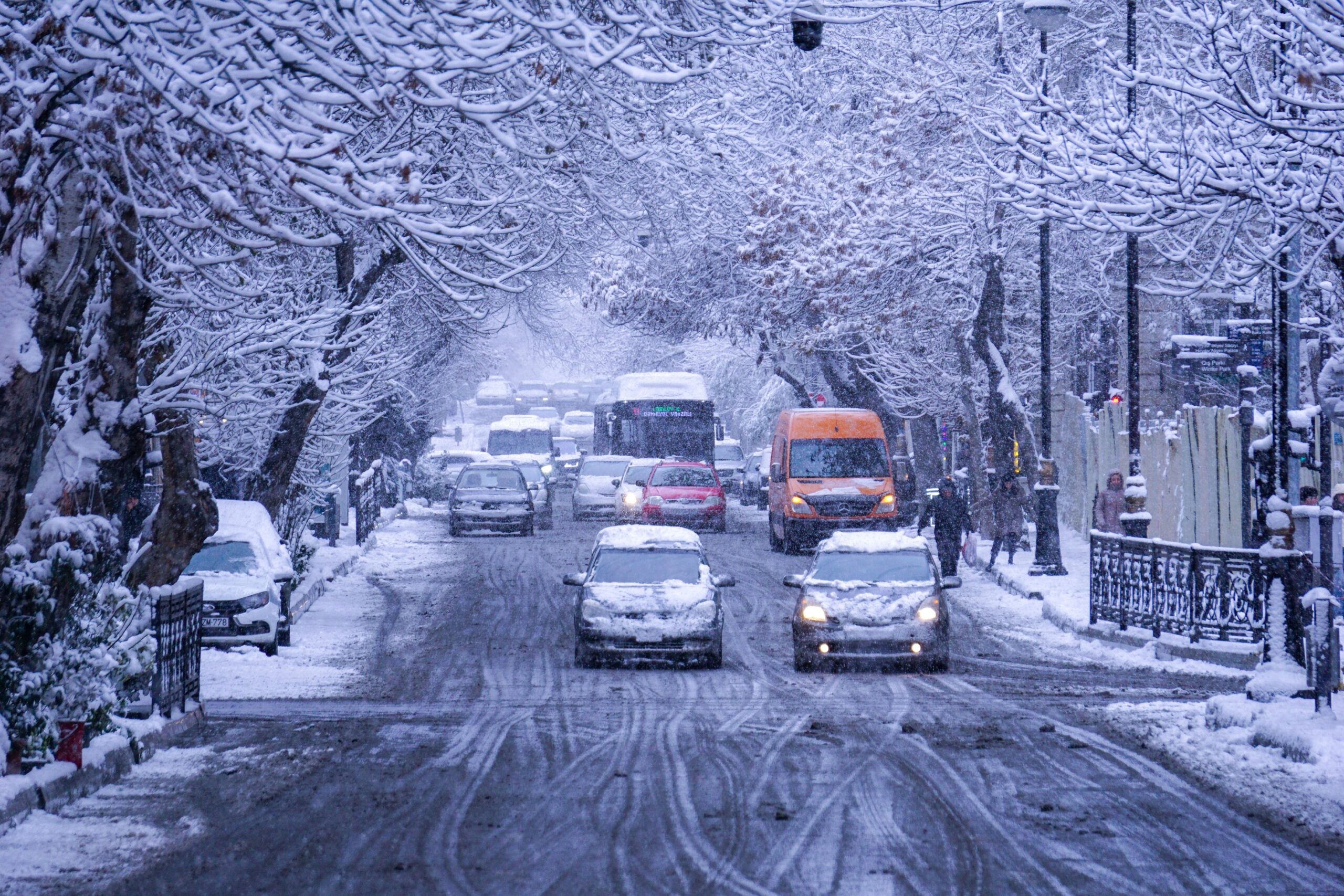
While the immediate cause of the disruption is the intense cold and precipitation, the event highlights the vulnerability of interconnected European transport networks to extreme weather events. The coincidence of this snowstorm with the recent Channel Tunnel power failure illustrates how infrastructure stress can compound, leading to prolonged delays and service suspensions. For travelers, the result is a stark reduction in mobility, with Eurostar cancelling six trains between London and Paris and delaying most others. The situation remains fluid, with authorities on both sides of the Channel monitoring the weather closely as temperatures continue to drop, posing ongoing risks to road and rail networks across the region.