
The commission, which operates under a mandate to scrutinize allegations of systemic corruption and political meddling, marked this resumption as part of its continuous series of hearings. According to available reports, the session corresponds to Day 181 of the inquiry, indicating the significant duration and scope of the proceedings to date. The commission’s work involves the systematic gathering of evidence and the examination of witnesses, a procedural stage critical for establishing the factual record before any final determinations or reports are issued.
Previous sessions of the inquiry, including Day 163, have been characterized by the commission’s focus on hearing witness testimony. This procedural phase is distinct from a trial; it is an investigative process where the commission seeks to understand the mechanisms of alleged criminality and the extent of political influence within the criminal justice system. The testimony provided during these sessions forms the basis for the commission’s eventual findings, though no adjudication of guilt or legal liability is rendered at this stage. The commission remains an investigative body, and its conclusions will depend on the weight and credibility of the evidence presented by witnesses and documents.
Concurrent with the resumption of the Madlanga Commission’s hearings, other legal and political developments in South Africa have drawn public attention. On the same day, 10 November 2026, reports indicated a by-election was looming in KwaZulu-Natal following the election of an MK Party candidate in two wards. Additionally, legal proceedings involving prominent figures continued in other forums, such as a lawyer representing a client named Matlala criticizing questions posed by evidence leaders regarding an “off-the-record” discussion. While these events occur in parallel, they do not directly affect the procedural status of the Madlanga Commission, which maintains its specific jurisdiction over the criminal justice system.
The Madlanga Commission’s mandate is distinct from ordinary court trials or criminal prosecutions. It is designed to uncover patterns of behavior and institutional failures rather than to convict individuals of specific crimes. Consequently, the proceedings are not bound by the strict rules of evidence applicable in criminal courts, although the commission must ensure fairness to those appearing as witnesses. The focus remains on the interplay between political actors and legal institutions, seeking to determine if the rule of law has been compromised by external forces.
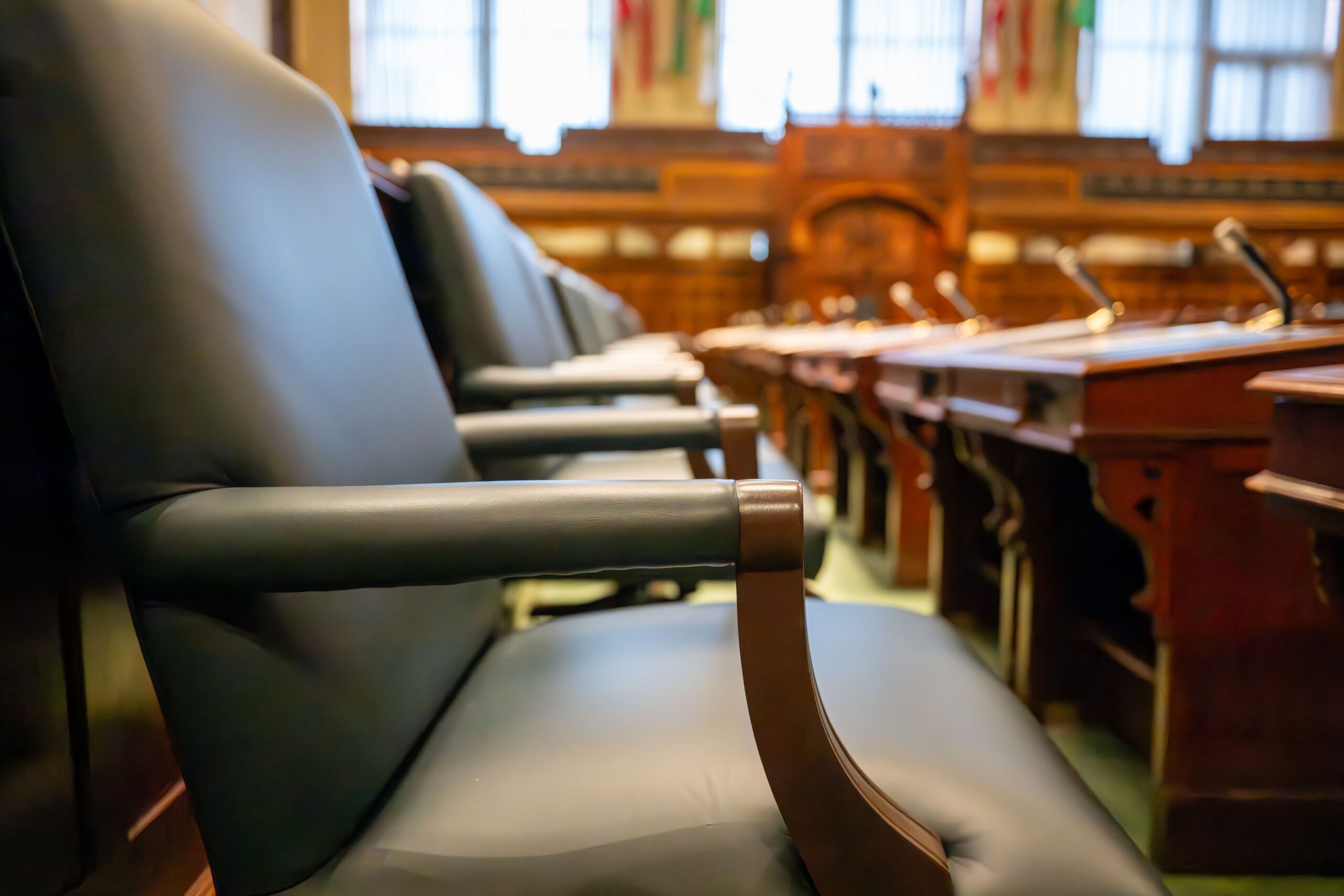
As the commission resumes its work in Pretoria, the next formal step in its procedural timeline involves the continued receipt of witness testimony. The commission will likely proceed with further hearings to exhaust its mandate, ensuring that all relevant perspectives and evidence are considered. No final judgment or binding legal order has been issued at this stage; the process remains in the investigative and fact-finding phase. The ultimate legal significance of the commission’s work will be determined by the final report it submits, which may contain recommendations for reform or refer matters to the appropriate authorities for further legal action.
International observers and domestic legal professionals continue to monitor the proceedings, recognizing the commission’s role in addressing public concerns about the independence of the judiciary and the prosecution service. The resumption of hearings underscores the ongoing commitment to transparency in examining these serious allegations. As the inquiry progresses, the focus will remain on the precise legal and factual arguments presented by witnesses, with the commission tasked with evaluating the credibility and relevance of testimony to the central questions of criminality and political interference.