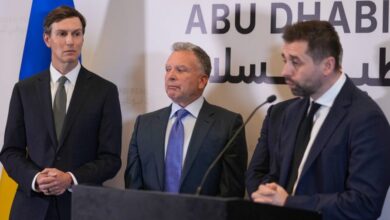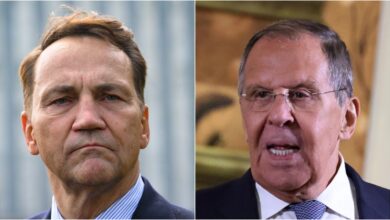
Negotiating teams from Moscow, Kyiv, and the United States are scheduled to meet in the UAE on November 10–11. This will be the first direct three-way meeting since February, following a period of intensifying diplomacy. The agenda is expected to cover a Black Sea ceasefire to allow safe grain transport, a freeze on attacks against energy infrastructure, a front-line freeze, and confidence-building measures such as prisoner swaps. Støre described the Abu Dhabi summit as a “stepping stone,” with the primary goal of securing a follow-up meeting soon.
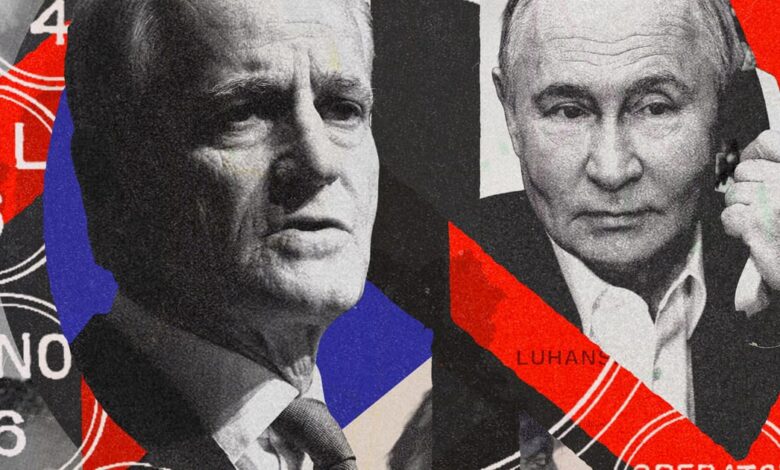
Støre’s comments come as he navigates a complex diplomatic landscape, including recent tensions with the White House over Norway’s Nobel Peace Prize decision. The Norwegian leader recently joined Finnish President Alexander Stubb in making a direct 90-minute phone call to the Kremlin on October 27. Støre defended this move, arguing that isolation is no longer viable because “the only voice reaching Moscow comes from Washington.” He stated that Europe must have its own voice to convey support for Ukraine, rejecting the idea that the war will end simply because Europe refuses to talk to Moscow.
Regarding the nature of the conversation, Støre described Putin as “professional” and “rational,” correcting reports that the Russian leader lectured the Nordic leaders on Slavic history. However, Støre noted that while Putin’s willingness to engage in dialogue signals a “readiness to sit down,” he has not seen clear signs that the Russian leader is genuinely open to a final deal.
A critical point of contention remains the future of European security. The U.S. administration has suggested that the end of the war in Ukraine could be linked to a broader overhaul of European security arrangements, potentially involving changes to NATO’s role. Støre firmly opposed this approach, stating that issues relating to European security architecture must be dealt with only after the war ends. He warned that Russia has long sought to dictate NATO’s boundaries and that these matters are not for Russia to decide in the current context.
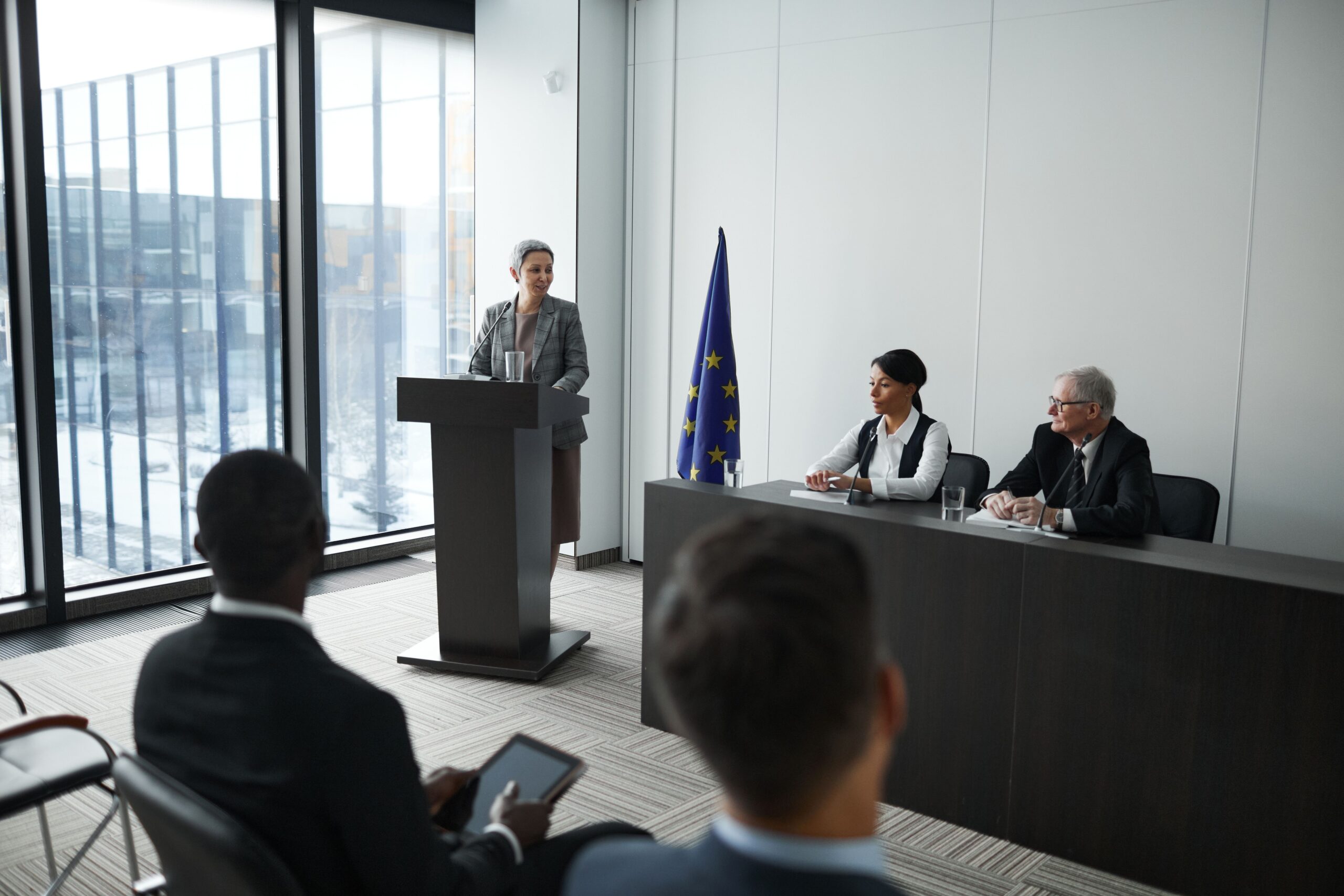
European leaders are set to discuss representation in these negotiations at an informal summit in Dublin later this week. Støre advocated for a unified European voice, suggesting that a single individual or a specific group, such as the E3 (France, Germany, and the UK), should be appointed to deliver core collective messages to both Washington and Moscow. He emphasized that Europe must decide on its goals before engaging further, ensuring that the continent’s defense is not compromised in the pursuit of a ceasefire.