

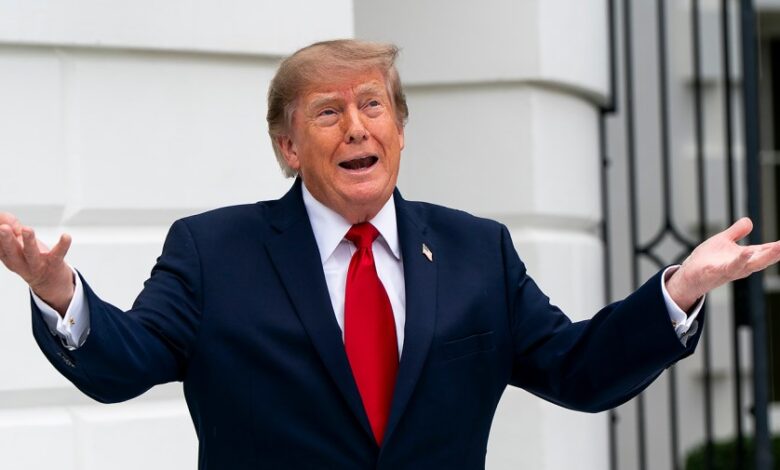
The political pressure is particularly acute in the American heartland, where a growing number of Republican lawmakers and candidates are openly breaking with the President on specific policy issues. Lawmakers in Iowa, Michigan, and Ohio have called for a rapid end to the ongoing conflict with Iran, citing high gas and diesel prices as a primary driver of constituent dissatisfaction. These calls represent a strategic shift, as the GOP leadership worries about paying a political price for these policies in the elections scheduled for weeks away.
Trade policy has also emerged as a significant flashpoint, particularly in states with deep economic ties to Canada. In Maine, a state dense with forest resources, the President’s tariffs have disrupted local industries. In Penobscot County, one of the most heavily forested areas in the state, logging operations have been hindered despite favorable weather conditions. Industry workers, including those who typically harvest timber during the ideal summer months, have found their machinery sitting idle due to trade barriers. The disruption affects not only loggers but also fishers and other sectors reliant on cross-border commerce.
The combination of economic anxiety and policy disagreements suggests a widening gap between the President and a portion of his own party’s base. While the administration maintains its stance on trade and foreign policy, the reaction from elected officials in competitive states indicates a pragmatic concern for electoral viability. The midterm elections serve as the immediate test for this growing discontent, with voters in states like Maine, Ohio, and Michigan potentially reflecting their displeasure at the ballot box.
Political analysts note that the decline in approval is not isolated to a single issue but is a compounding effect of economic concerns and foreign policy disputes. The ability of the Republican Party to maintain unity in the face of these internal divisions will be critical in the coming weeks. As the election date approaches, the focus will remain on whether the President’s policies can withstand the scrutiny of a electorate increasingly focused on domestic economic stability and the cost of living.
The upcoming votes in key districts will provide the first major indicator of how these policy shifts are affecting voter sentiment. With approval ratings at their lowest point and internal party criticism rising, the political landscape for the GOP is becoming more complex. The next scheduled elections will determine whether the current trajectory of polling reflects a temporary dip or a more sustained loss of confidence among the President’s traditional supporters.
