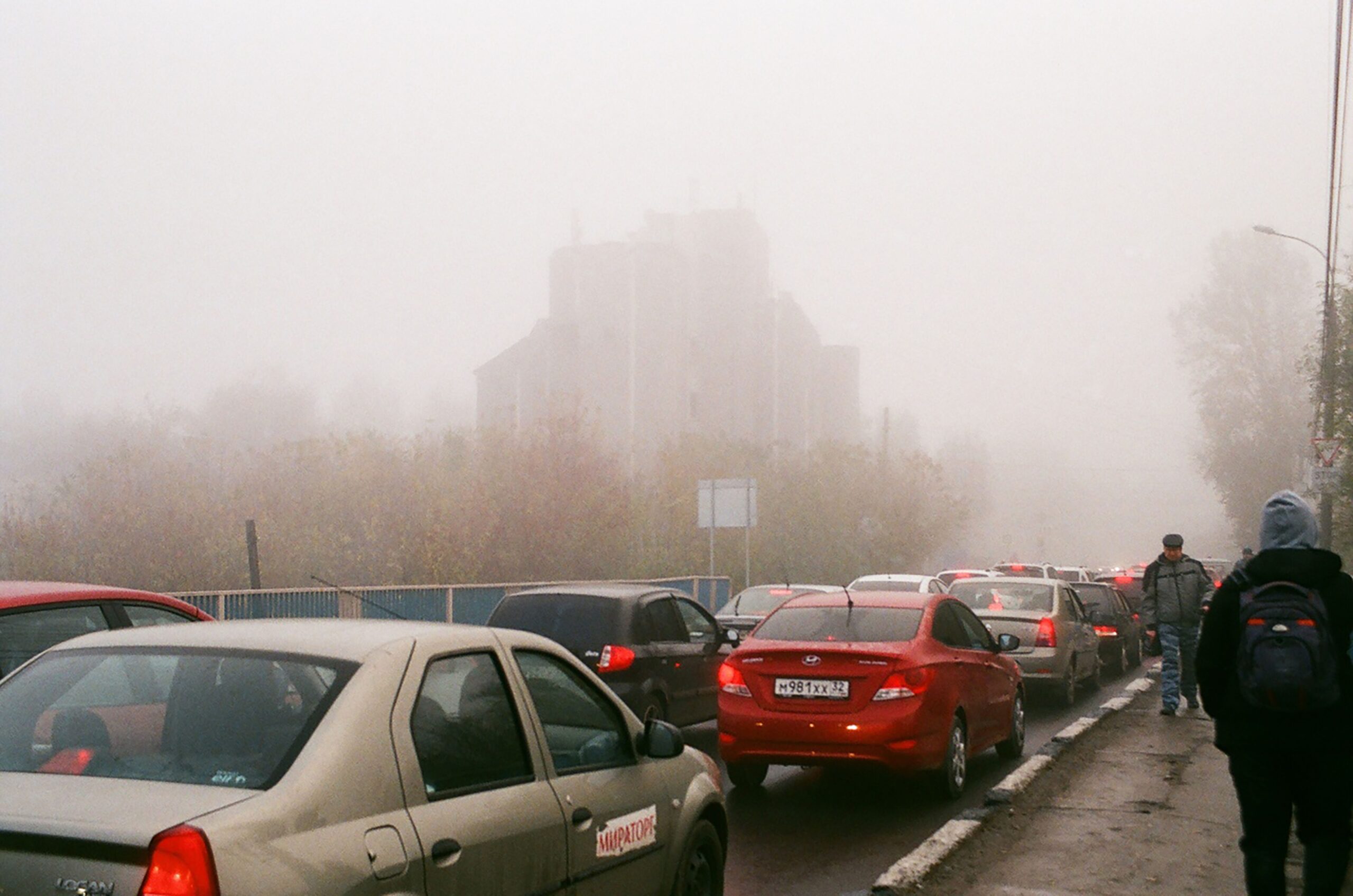
The plan addresses direct sources of emissions, including vehicle entry restrictions and bans on outdoor construction and demolition. The government has also doubled parking charges and encouraged offices to allow half of their staff to work from home. These steps are distinct from the Graded Response Action Plan (Grap), overseen by the federal Commission for Air Quality Management, which triggers stricter restrictions—such as limiting diesel generators and coal burning—as pollution levels rise. Currently, the second stage of Grap is active, restricting specific industrial and heating activities.
Despite the new roadmap, analysts argue that the measures do not address the full scope of the problem. Manoj Kumar, an analyst at the Centre for Research on Energy and Clean Air, stated that reducing pollution requires setting explicit targets for every sector, including power generation, industry, and transport, rather than focusing solely on vehicle entry and construction. Parthaa Bosu, strategic adviser at the Environmental Defense Fund, highlighted that secondary pollutants formed by chemical reactions in the air, along with dust from brick kilns and urban waste burning, remain significant contributors that are not fully curbed by current plans.
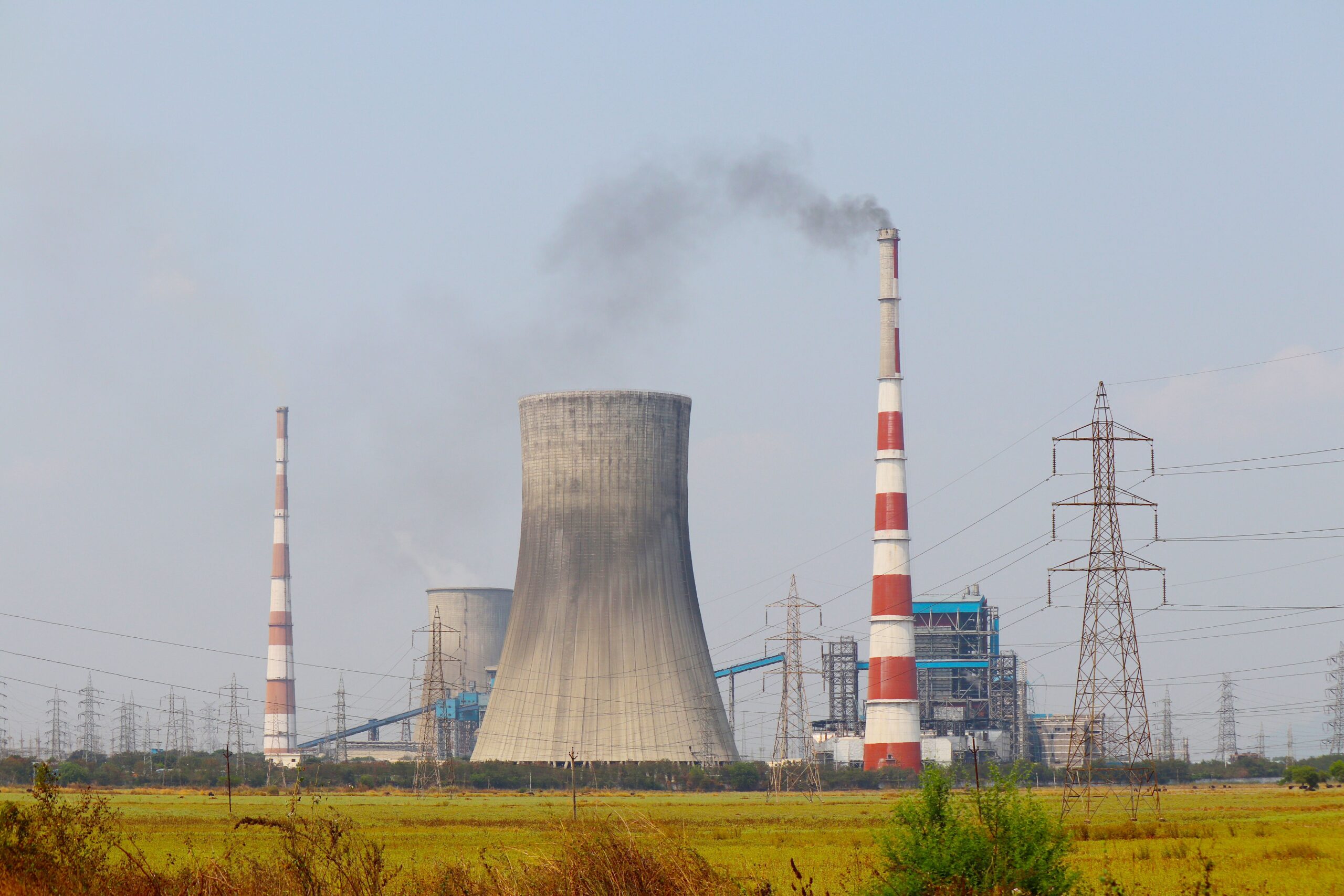
The regional nature of the crisis complicates local efforts. Pollutants from crop residue burning in neighboring states and other parts of northern India travel into Delhi, worsening the situation. Bosu noted that while Delhi can implement local controls, lasting improvement requires coordinated action from the wider northern region. This year, the government announced its plan months before the peak smog season, a departure from previous years when measures were often reactive. Experts view this early planning as a positive step but caution that execution remains the critical bottleneck.
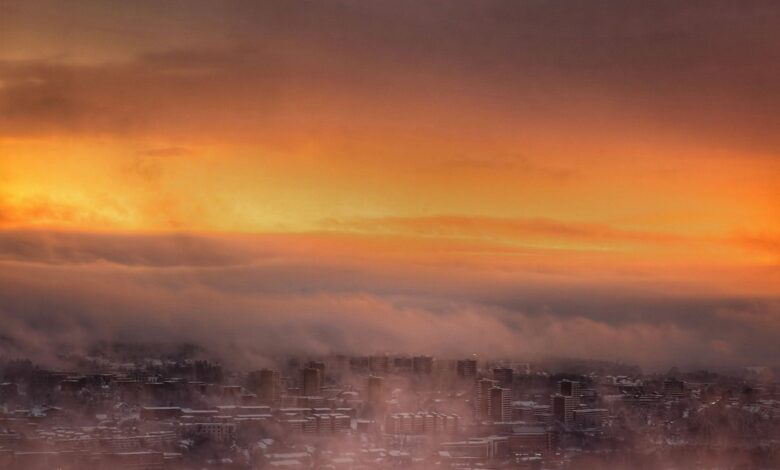
Health impacts are already evident as winter temperatures drop and winds slow, trapping pollutants close to the ground. Government monitoring stations in Delhi frequently record Air Quality Index (AQI) readings above 300, classified as “very poor.” On severe days, domestic trackers cap out at 500, while international monitors like IQAir have recorded readings approaching 1,000. The World Health Organization recommends that 24-hour average PM2.5 levels should not exceed 15 micrograms per cubic metre; in Delhi, levels often exceed this limit by more than 25 times during the pollution season.
Medical experts warn that the fine particulate matter (PM2.5) released by firecrackers and combustion sources penetrates deep into the lungs and can enter the bloodstream, triggering systemic inflammation. Dr. Uday Kiran G, a consultant pulmonologist, noted that even individuals without prior respiratory conditions may experience throat irritation, persistent coughing, and shortness of breath. Those with asthma, chronic obstructive pulmonary disease (COPD), or allergic rhinitis are at higher risk of acute attacks. Health officials advise the public to wear masks and seek immediate medical attention if experiencing chest tightness or severe breathlessness, while noting that air purifiers have become a common household necessity for those who can afford them.