This week’s fatalities are part of a disturbing upward trend in avalanche deaths across the region. According to the European Avalanche Warning Services, the average number of fatalities in the Alps is typically around 100 per season. However, as of March 16, reported deaths across Italy, France, and Austria had already reached 127, far exceeding the historical norm. The breakdown of these fatalities includes 33 deaths in Italy, 31 in France, and 29 in Austria. More recently, two additional deaths in the last few days have pushed Italy’s national toll to 40 for the 2025-26 season, a figure that places this winter among the deadliest in more than a decade.
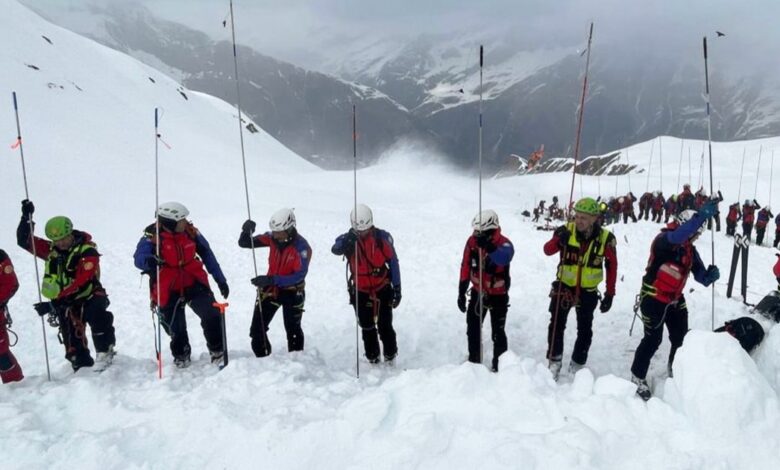
The surge in fatalities is not limited to the South Tyrol incident. In early February, coinciding with the Winter Olympics, a record 13 skiers died on the slopes in a single week, ten of whom were killed in avalanches. Experts attributed this spike to an exceptionally unstable snowpack and a surge in off-piste activity following heavy snowstorms. The recent incidents in April further illustrate the persistence of these dangerous conditions. On Easter Sunday, Cesare Zilio, a 36-year-old ski mountaineer, was buried by a large avalanche near Val di Vizze in South Tyrol. The slide, measured at approximately 200 meters wide and 800 meters long, buried him under 1.5 meters of snow. Despite being located by avalanche transceiver and recovered by a team of more than 20 rescuers including a canine unit, Zilio died three days later from severe trauma, hypothermia, and cardiac arrest.
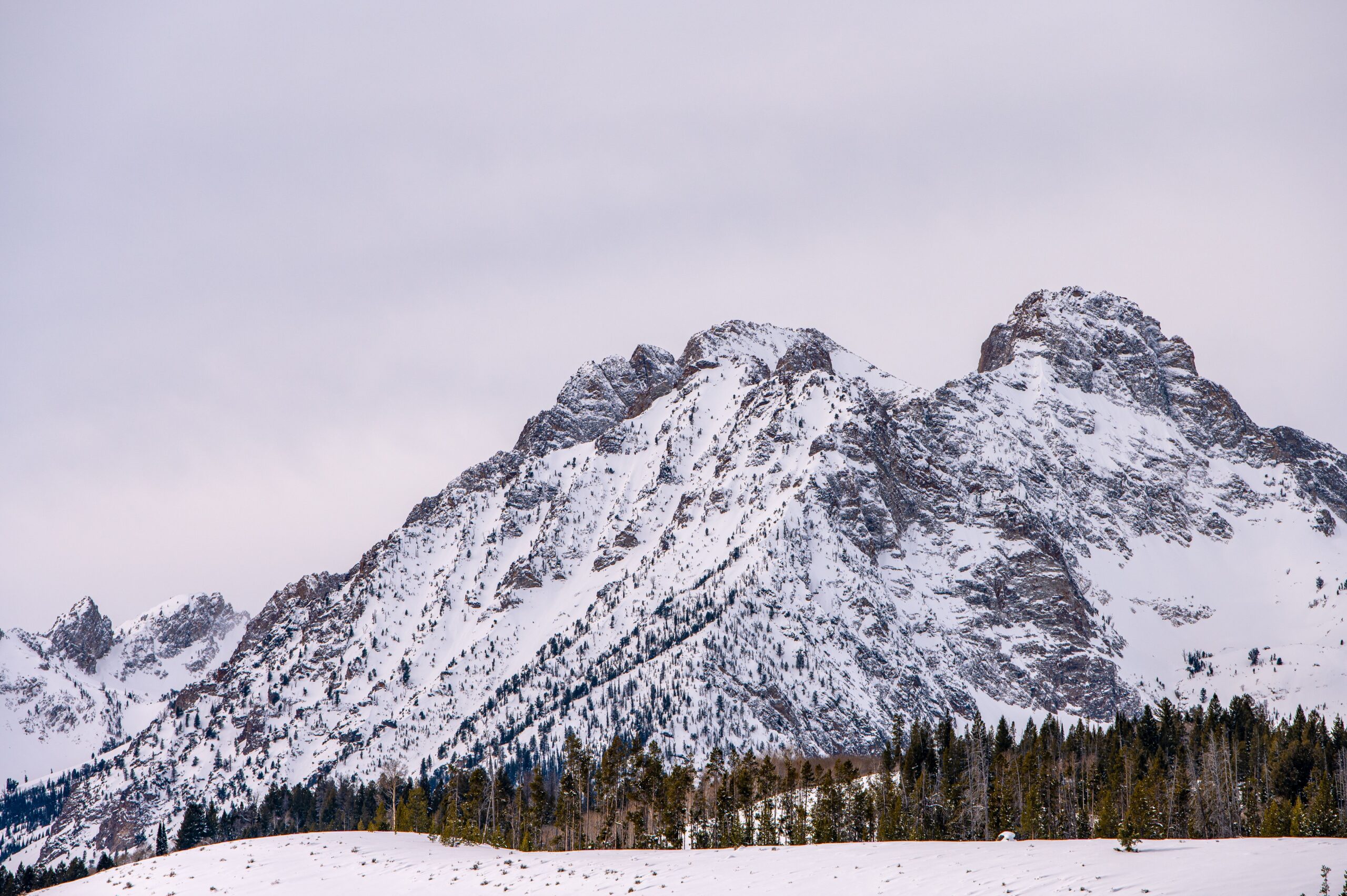
A second fatal incident occurred on Wednesday in the Lagorai range of Trentino, where Werner Degiampietro, a 46-year-old experienced ski mountaineer and off-duty piste rescue officer, was killed on the northern slopes of Castel di Bombasel. Degiampietro was reported missing after failing to arrive for work; his skis were later spotted protruding from the snow during an aerial search. Both of these recent fatalities occurred while the regional avalanche danger was rated at “considerable” (Level 3). At this level, human-triggered avalanches are considered likely, particularly on sun-exposed slopes as warming intensifies. Historically, the majority of fatal avalanches occur at this danger level, highlighting the critical risk posed to experienced users of the backcountry who may underestimate the variability of spring conditions.
Climate experts point to rising temperatures and stronger winds as primary drivers of the snow instability observed this season. The transition from winter to spring is a particularly volatile period in the Alps, where rapid warming can weaken the bonding between snow layers. In the case of the Val di Vizze incident, the Italian avalanche association specifically indicated that elevated temperatures over the Easter weekend contributed to the unstable conditions. This aligns with broader scientific understanding that warming trends are altering the structure and stability of alpine snowpacks, increasing the frequency of slab avalanches that can be triggered by relatively minor disturbances, such as the weight of a single skier.
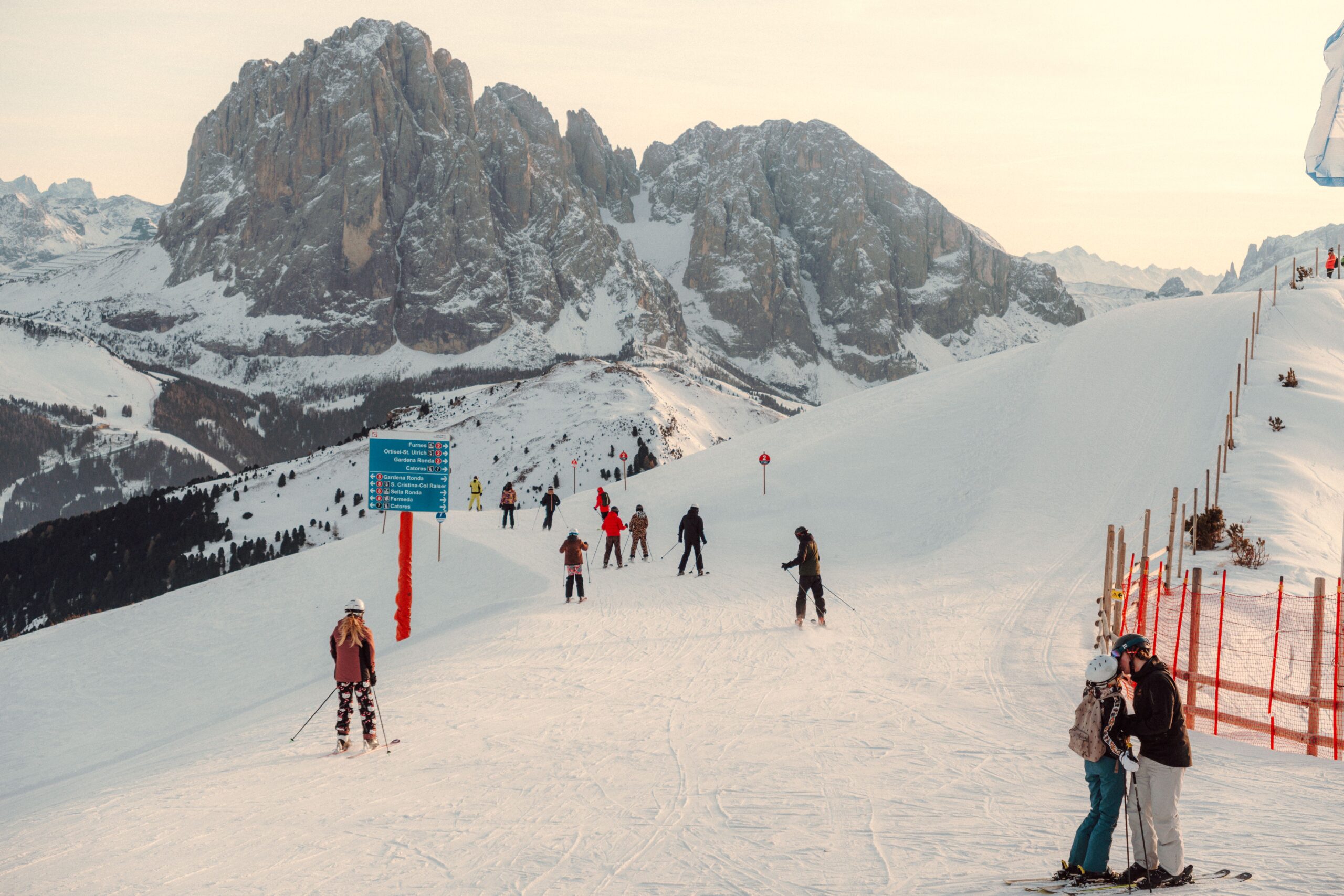
The geographic scope of the danger extends from the heavily patrolled ski resorts to the remote, unpatrolled backcountry zones that are increasingly popular for ski touring. Areas like Val di Vizze, situated near the Austrian border, offer long alpine lines that attract experienced mountaineers. While nearby lift-served areas provide managed terrain, the surrounding backcountry remains highly sensitive to changing weather patterns. The concentration of fatalities in these off-piste environments reflects a shift in alpine recreation, where enthusiasts are venturing into higher-risk terrain, often in conditions that are rapidly evolving due to climatic factors.
Rescue services across the region are urging extreme caution. The complexity of the recent incidents—ranging from the mass casualty event in South Tyrol to the targeted losses of experienced individuals in Trentino—demonstrates that no level of skill or experience is immune to the dangers posed by an unstable snowpack. As the season progresses, the challenge for both authorities and recreational users lies in accurately interpreting avalanche forecasts and recognizing the subtle signs of warming-induced instability. The data from the 2025-26 season serves as a stark reminder of the increasing volatility of alpine environments in a warming world, where the margin between safe recreation and fatal accident is narrowing.