
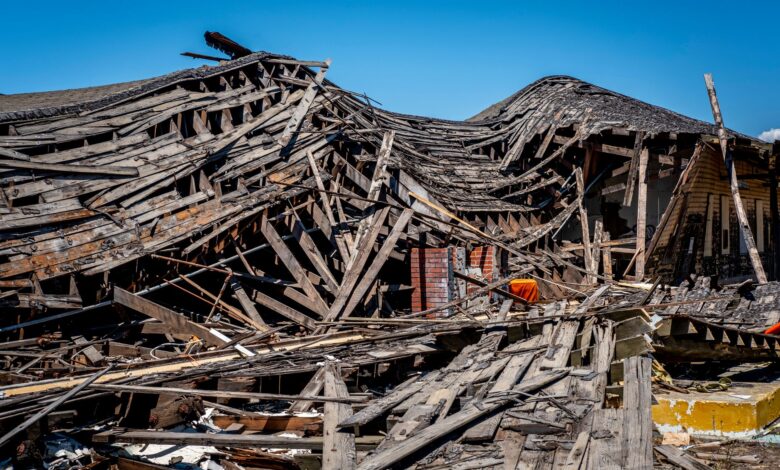
In a post on social media on Saturday, Zelenskyy stated that technical teams were analyzing the remains of the missiles used in the strikes, which occurred in the early hours of November 7. “According to preliminary findings, at one of the key energy facilities that was damaged, the Russians used KN-23 missiles manufactured and supplied by North Korea,” the President wrote. This assertion aligns with previous reports from the Ukrainian Ministry of Defense in April, which had already identified the KN-23 in prior attacks, describing the weapon as “extremely difficult for air defence systems to deal with.” The KN-23 is a short-range ballistic missile with an estimated top range of approximately 690 kilometers. Developed by North Korea, it was first tested in May 2019 and is noted for its visual similarity to the Russian Iskander-M system, a distinction that complicates attribution and air defense response protocols.
The overnight barrage involved 36 ballistic missiles targeting Kyiv and the surrounding region. Ukrainian authorities reported that air defense systems intercepted four of the incoming projectiles. The strikes were not limited to the capital; infrastructure in twelve other regions, including Vinnytsia, Zhytomyr, Rivne, Kharkiv, and Dnipropetrovsk oblasts, was also hit. Preliminary casualty figures indicate that nine people were injured in the attacks, including one child. In Kremenchuk, Poltava Oblast, drone strikes on private enterprises resulted in four additional injuries, with three men and one woman receiving medical assistance on site.
One of the most significant tactical impacts of the night’s attacks was the damage to the Pivnichny (Northern) Bridge in Kyiv. Zelenskyy confirmed that four ballistic missiles hit the structure, after six were launched in its direction. The impact damaged the road surface, the trolleybus contact network, and the power transmission lines on the bridge. Traffic on the Pivnichny Bridge has been closed in both directions. In response, the Ukrainian government is preparing reserve transport schemes for the capital, a task assigned to the Ministry of Internal Affairs in coordination with the Kyiv City Administration. Zelenskyy noted that current transport reserves are insufficient, highlighting a logistical vulnerability in the city’s infrastructure resilience.
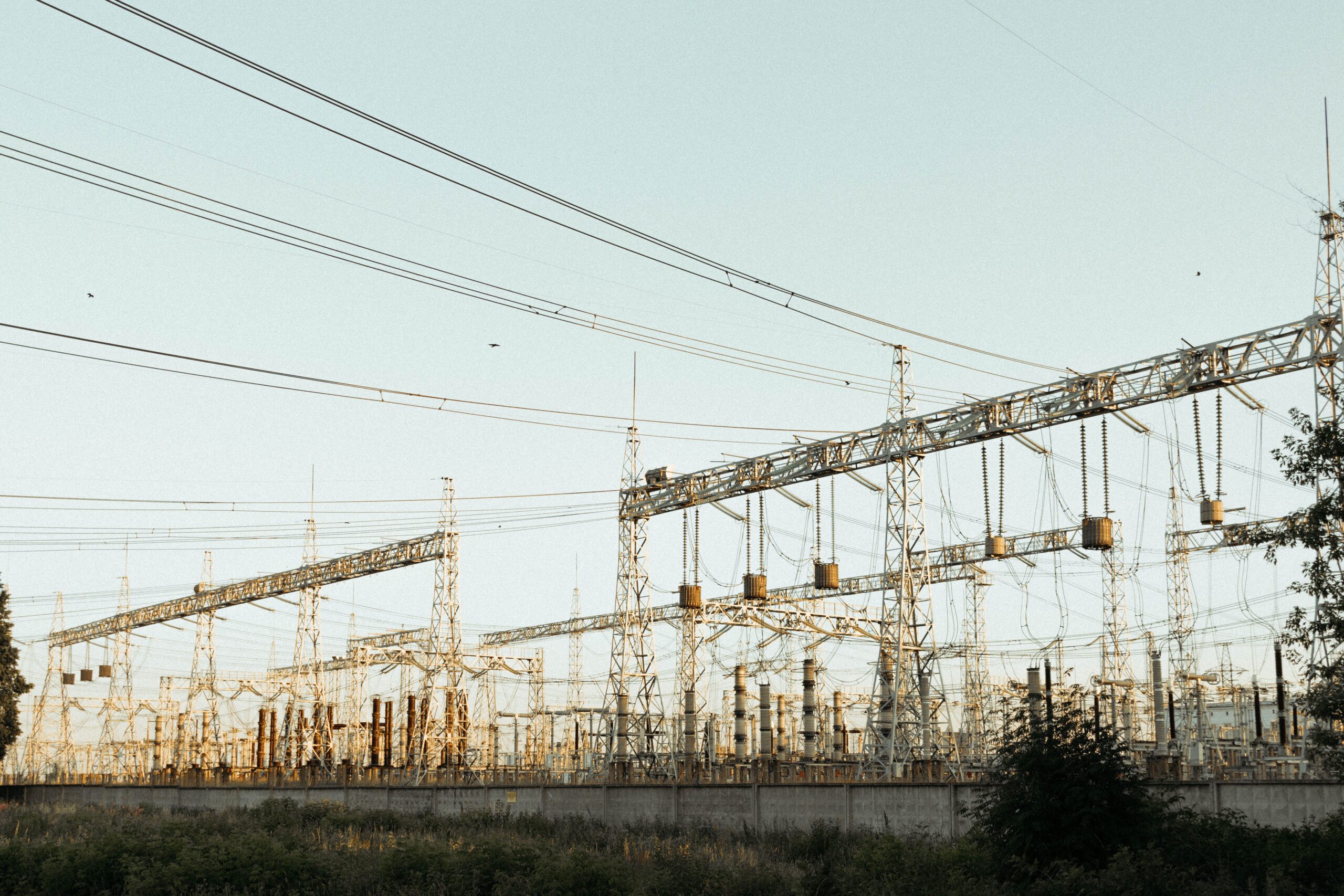
Strategically, the attack underscores the persistent pressure on Ukraine’s energy grid. Zelenskyy acknowledged that while Ukraine is currently generating more electricity than it consumes, the targeted strikes on distribution stations and transmission networks have created significant deficits in Kyiv and northern, eastern, and central regions. The President stated that repair brigades are being increased to address the damage. He also pointed to a shortage of Patriot air defense systems as a contributing factor to the successful penetration of the missile barrage, urging allies to accelerate deliveries of interceptor missiles to close this defensive gap.
The use of North Korean munitions is part of a broader military cooperation framework between Russia and the Democratic People’s Republic of Korea (DPRK). Since October 2024, it is believed that more than 16,000 North Korean troops have been deployed to support Russian forces, alongside the supply of various munitions. This military exchange follows the signing of a Comprehensive Strategic Partnership Treaty between Russian President Vladimir Putin and North Korean leader Kim Jong-un in June 2024. The integration of the KN-23 into Russian operational arsenals demonstrates a growing reliance on external supply chains for conventional warfare capabilities, a development that has significant implications for the wider balance of power and the sustainability of the Russian offensive.
Distinguishing between stated capability and demonstrated performance is crucial in this context. While the KN-23 is a known short-range ballistic missile, its specific effectiveness in this instance is evidenced by the confirmed hits on strategic targets despite air defense coverage. The Ukrainian government’s call for accelerated interceptor deliveries highlights the operational constraint facing Kyiv: the rate of incoming ballistic missiles exceeds the current capacity of its air defense network to intercept them all, particularly when facing diverse missile types from different manufacturers.
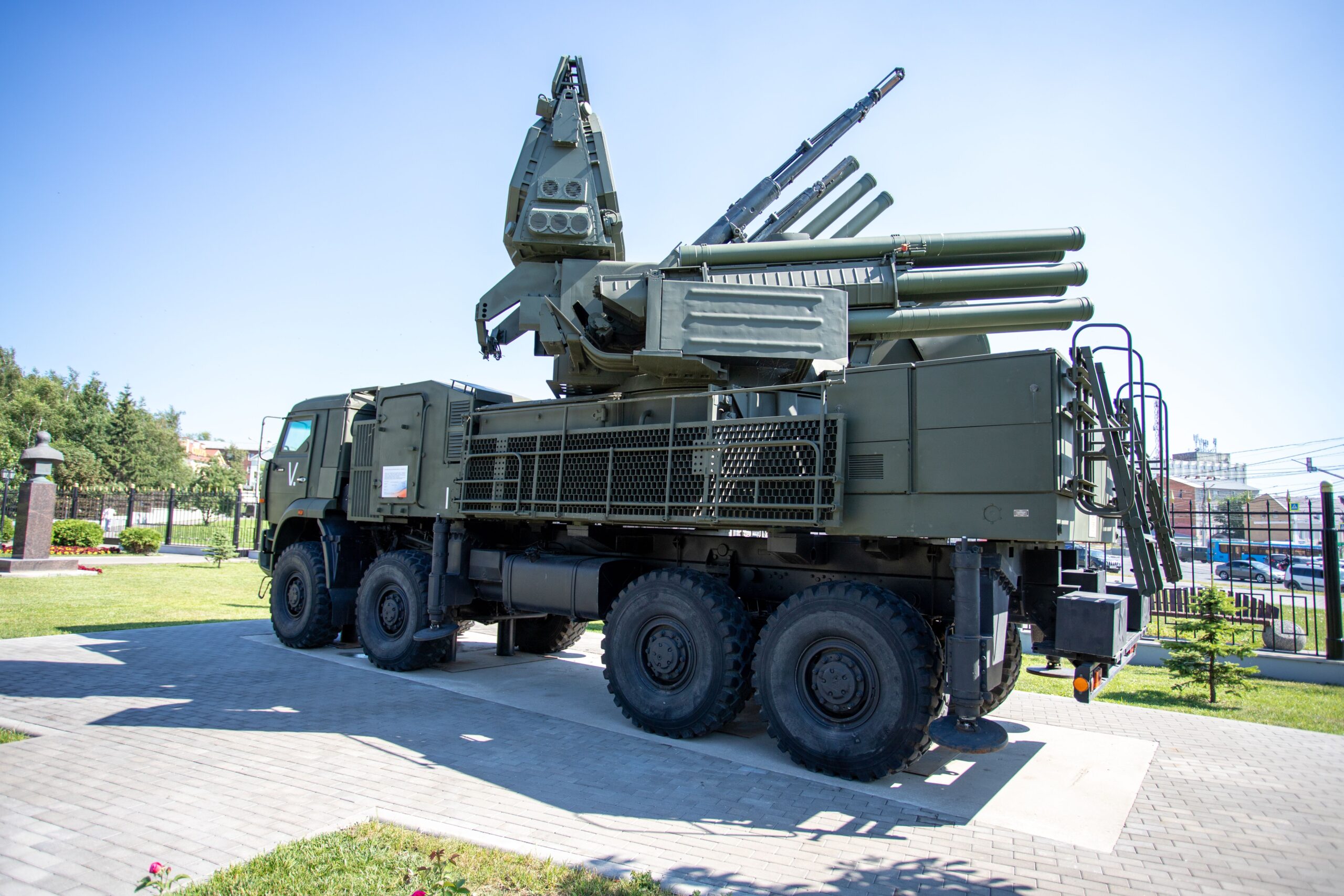
As technical assessments of the missile debris continue, the focus remains on the durability of Ukraine’s critical infrastructure. The damage to the Pivnichny Bridge and multiple energy substations represents an operational setback, requiring immediate logistical and engineering resources to restore connectivity and power stability. The incident reinforces the strategic reality that the conflict has evolved beyond a bilateral confrontation, involving third-party state actors in the provision of both personnel and advanced weaponry.
The next phase of the response will involve the full forensic analysis of the KN-23 missiles to confirm their specific variants and production batches, as well as the implementation of the new transport protocols for Kyiv. International partners are now under renewed pressure to address the air defense shortfall, a factor that directly influences the safety of civilian populations and the operational continuity of Ukraine’s military and economic infrastructure.





One Comment