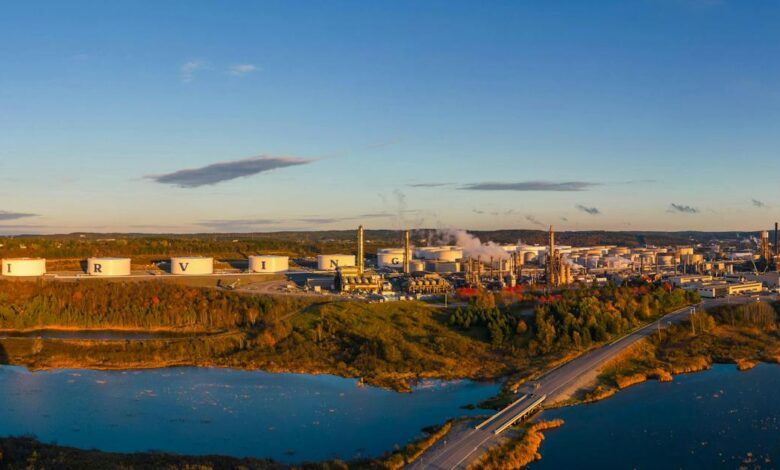
The central component of Operation Osprey is a major revamp of the complex’s residual fluid catalytic cracking unit (RFCCU). This core unit converts heavy crude into fuels, including gasoline and diesel, using specialized catalysts to break down complex hydrocarbons. The overhaul will be the first significant upgrade to the RFCCU since its commissioning in 2000 as part of the company’s $1 billion “Operation King of Cats” project. The turnaround is scheduled to run through mid-November, involving key infrastructure replacements and equipment upgrades across the site.
The immediate effect of this investment is the preservation of supply reliability for the Atlantic Canadian region and the broader northeastern market. Irving Oil emphasizes that these maintenance projects are critical for the continued reliability of its business and the energy security of its customers. By addressing aging infrastructure and upgrading core units, the operator aims to mitigate operational risks and ensure consistent fuel output. The project also supports the local economy, with the influx of contract workers anticipated to generate more than $14 million in economic spinoffs in New Brunswick.
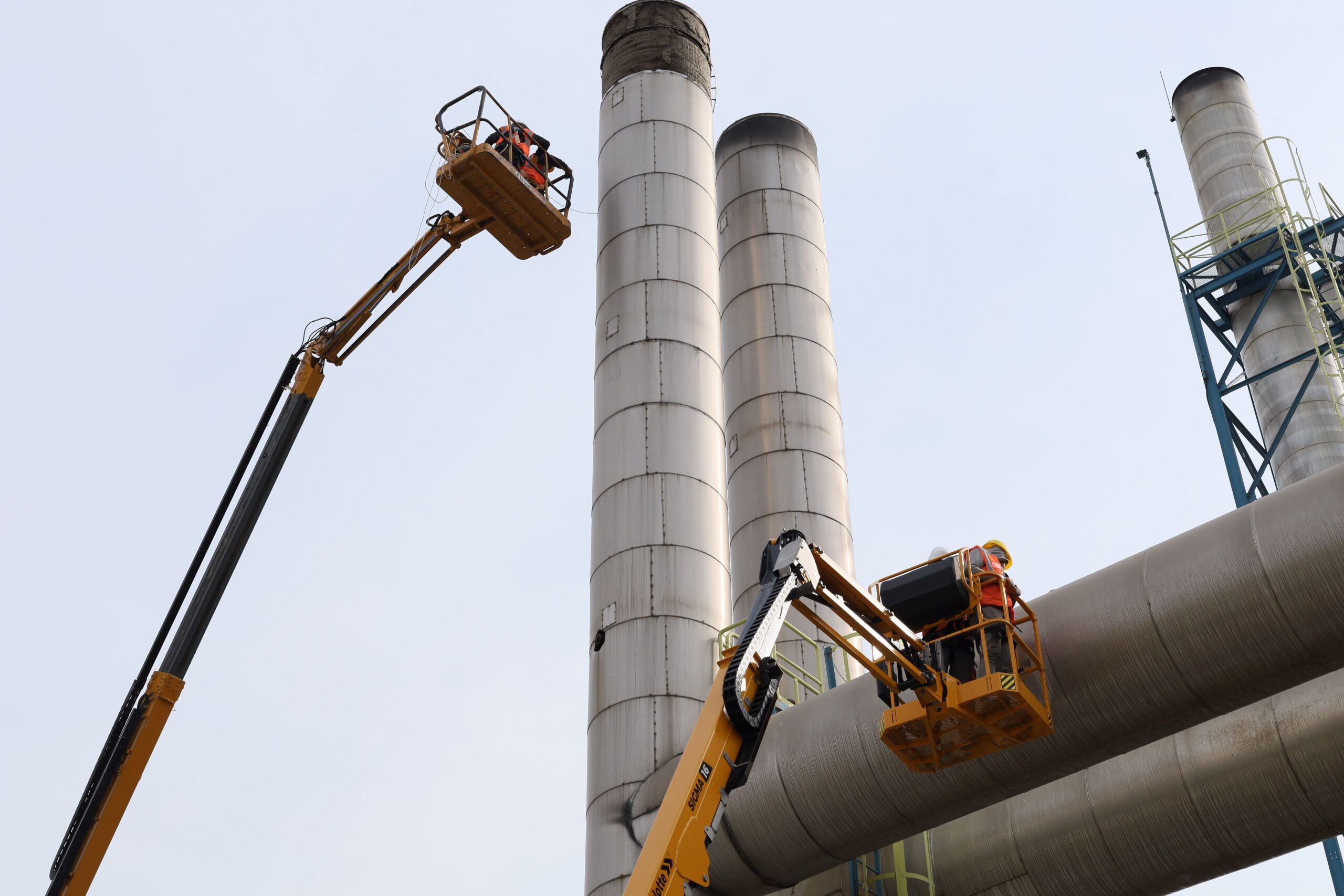
Operation Osprey will require approximately 2,100 additional skilled workers from more than 55 contracting companies, primarily sourced from New Brunswick and the broader Atlantic Canadian region. These workers will cover 19 different trades, including laborers, scaffolders, pipefitters, boilermakers, instrumentation technicians, welders, and bricklayers. Spending by these contractors on accommodations, entertainment, and retail is expected to provide significant economic benefits to the local area. Dave MacLennan, vice-president and general manager of the Saint John refinery, noted that the project involves years of logistical planning with safety as the primary focus.
This major intervention follows a series of recent capital projects at the Saint John complex. In 2025, the refinery underwent “Operation Eastern Screech Owl,” a 30-day turnaround costing nearly $40 million, which focused on infrastructure replacements and comprehensive inspections of piping and key units. That work was executed alongside a $100 million investment to upgrade the refinery’s fluid catalytic cracking unit (FCCU), which began in June 2025 and was completed in a phased approach during the second half of 2025. Jeff Matthews, Irving Oil’s president and chief executive officer, stated that the new $235 million investment is essential for maintaining safe operations and strengthening long-term energy security.

The next operational milestone is the start of the turnaround in September 2024. The 75-day period will see the refinery undergo significant structural and mechanical changes, with the goal of restoring peak performance to the RFCCU. Completion is expected by mid-November, after which the refinery will resume full production capacity. The project underscores the operator’s commitment to maintaining the asset’s viability in a competitive energy market while supporting regional supply chains.