

While the Vastaamo case highlighted the human cost of inadequate data protection, the broader technological environment in which such vulnerabilities exist has evolved significantly. According to the National Cyber Security Centre Finland (NCSC-FI), the cyber phenomena of 2025 marked a distinct shift in both the speed and sophistication of attacks. The centre’s weekly reviews throughout the year documented a wide range of threats, including scams, phishing campaigns, account breaches, and compromised edge devices. A critical change noted by experts is the acceleration of attack timeframes; previously, it took days or weeks for attackers to exploit security vulnerabilities, but through the use of automation and artificial intelligence, this window has compressed to mere hours.
Artificial intelligence has emerged as a dual-use driver in this new landscape. On one hand, defenders are leveraging AI to identify and mitigate threats. On the other, criminals are using the technology to make scams ever more convincing. For instance, the complexity of the Finnish language, which previously served as a barrier for scammers producing machine-translated content, is no longer a significant limitation. This technological parity has allowed attackers to craft highly tailored phishing messages that exploit the strong trust Finns typically place in public authorities. These campaigns often piggybacked on timely themes, such as the Black Friday online shopping season and tax refund periods, to increase their efficacy.

A particularly deceptive trend observed in 2025 was the rapid spread of Microsoft 365 account breaches between organisations. The NCSC-FI issued a severe alert on 9 September 2025 regarding this phenomenon. The danger lay in the fact that compromised accounts were used to send further phishing messages, making the attacks appear to come from familiar, trusted sources rather than external threats. This required heightened vigilance from users, as identifying phishing messages from known colleagues or partners became significantly more difficult. The situation began to stabilize towards the end of the year as organisations implemented protective measures, such as enabling security features in the M365 environment, and as information sharing among institutions improved.
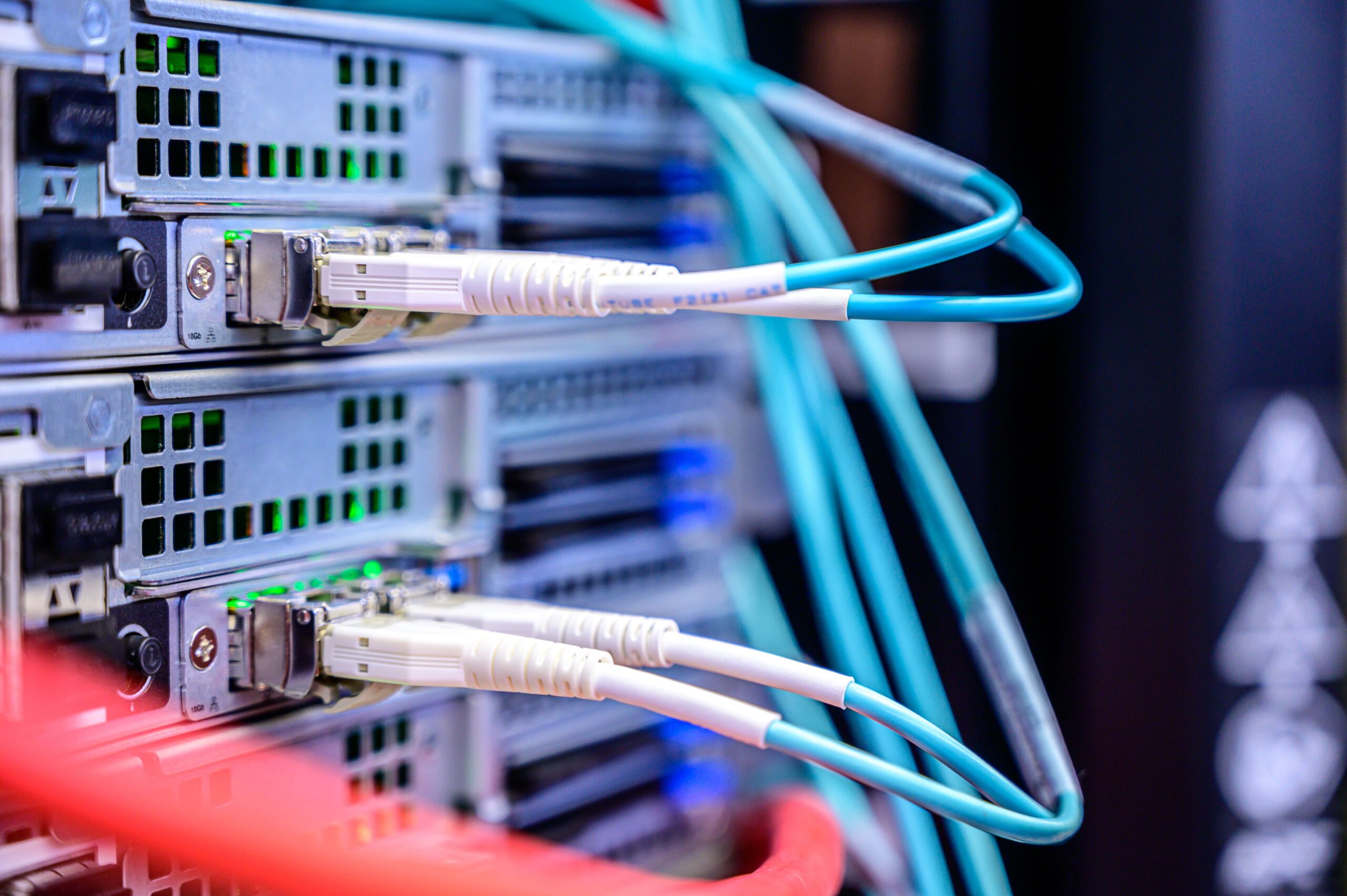
Beyond software vulnerabilities, physical security at the network edge has become a focal point. Both home routers and network edge devices used by organisations have been identified as sources of security risk. The NCSC-FI emphasized that these devices require careful connection to networks and, crucially, must be kept properly updated to fix discovered vulnerabilities. As the era of quantum computing approaches, the centre also advised that preparation for quantum-safe cryptographic methods should begin no later than 2026, signaling a long-term shift in how data is protected against future decryption capabilities.
These technical shifts are occurring against a backdrop of tightening regulatory frameworks. In 2025, organisations were reminded of the first obligations under the Cyber Resilience Act, which is set to enter into force in 2026. This regulation aims to ensure higher standards of cybersecurity in the digital products and services available in the market. The combination of faster AI-driven attacks, the persistence of social engineering tactics, and new legal mandates suggests that the resilience lessons learned from the Vastaamo era are no longer optional but are now embedded in both commercial and public sector strategy.
The narrative of the Vastaamo breach, which began with the violation of patient trust in 2020, now converges with the technical realities of 2025. While the specific individuals affected by the therapy note leak continue to live with the consequences of that specific incident, the broader lesson has been institutionalized. As cybercriminals exploit gaps at the speed of hours and AI removes linguistic barriers to fraud, the focus for Finnish institutions and citizens alike has shifted from reactive damage control to proactive, AI-assisted defense and strict adherence to emerging cyber resilience standards.




2 Comments