
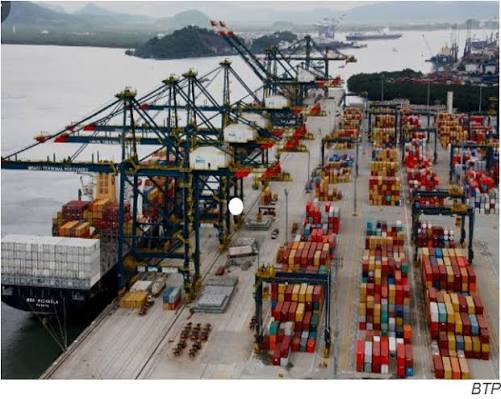
The Port of Santos is not merely a local facility; it is a strategic artery for Brazil’s foreign trade. Its operational status directly influences the flow of goods entering and leaving the country. When the servers went down, the impact was immediate and tangible. Automated checks, such as verifying whether vessel dimensions were compatible with available berths, could no longer be performed digitally. Consequently, tasks that are normally handled swiftly by algorithms had to be executed by hand. This shift from automated to manual processing introduced unavoidable delays in the movement of vessels, trucks, and trains. Approximately 80% of administrative employees were forced to work remotely due to operational difficulties at the port authority’s headquarters, further straining the communication channels necessary to keep the port moving.
The technological significance of this event lies in the intersection of physical infrastructure and digital dependency. Modern port operations rely heavily on integrated IT systems for security, scheduling, and logistics. When these systems fail, the physical world does not stop, but it slows down. The Port of Santos Authority (APS) operates its own data processing and storage infrastructure, a design choice intended to provide control and resilience. However, the incident revealed that even self-managed systems are susceptible to external threats or internal instabilities that can cascade into operational paralysis. Specialists from Brazil’s Federal Data Processing Service (Serpro) were called in to assist with the investigation and the restoration of services, while system backups were submitted for forensic examination to determine the extent of the breach.
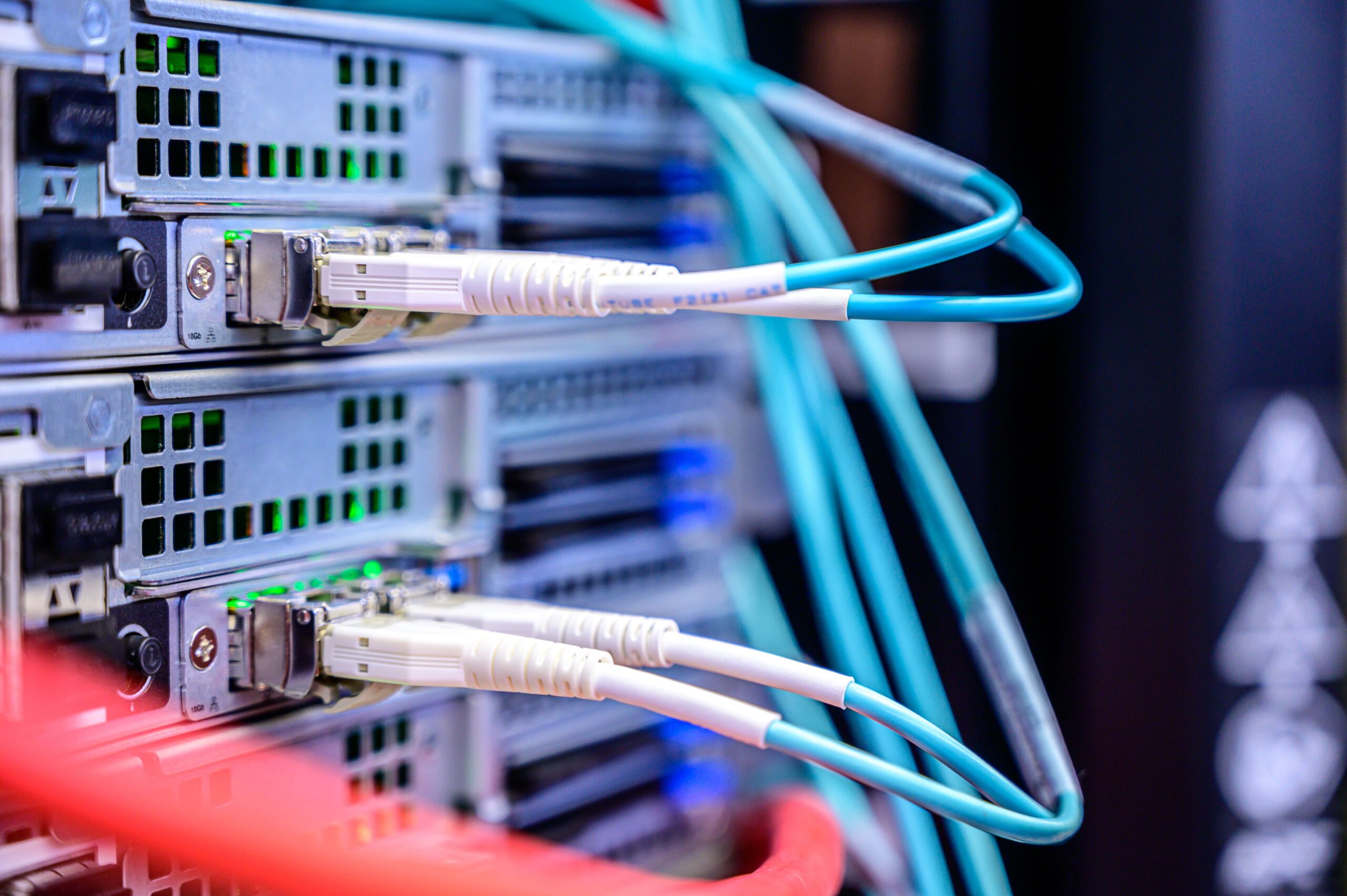
The nature of the incident remains under active investigation, with a critical distinction being made between a confirmed cyberattack and a coercive attempt to exploit system instability. Brazil’s Federal Police are investigating whether a genuine cyberattack occurred or if third parties attempted to leverage the outage to demand ransom. At the time of reporting, authorities had not confirmed a cyberattack nor determined if any data had been accessed without authorization. This uncertainty is a common feature of modern cyber incidents, where the line between a technical failure and a malicious intrusion can be blurred in the initial stages. The APS acknowledged a suspected cybersecurity incident but emphasized that its scope had yet to be determined. This cautious approach reflects the technical discipline required in such situations; without forensic proof, claims of data compromise or successful intrusion remain unverified.
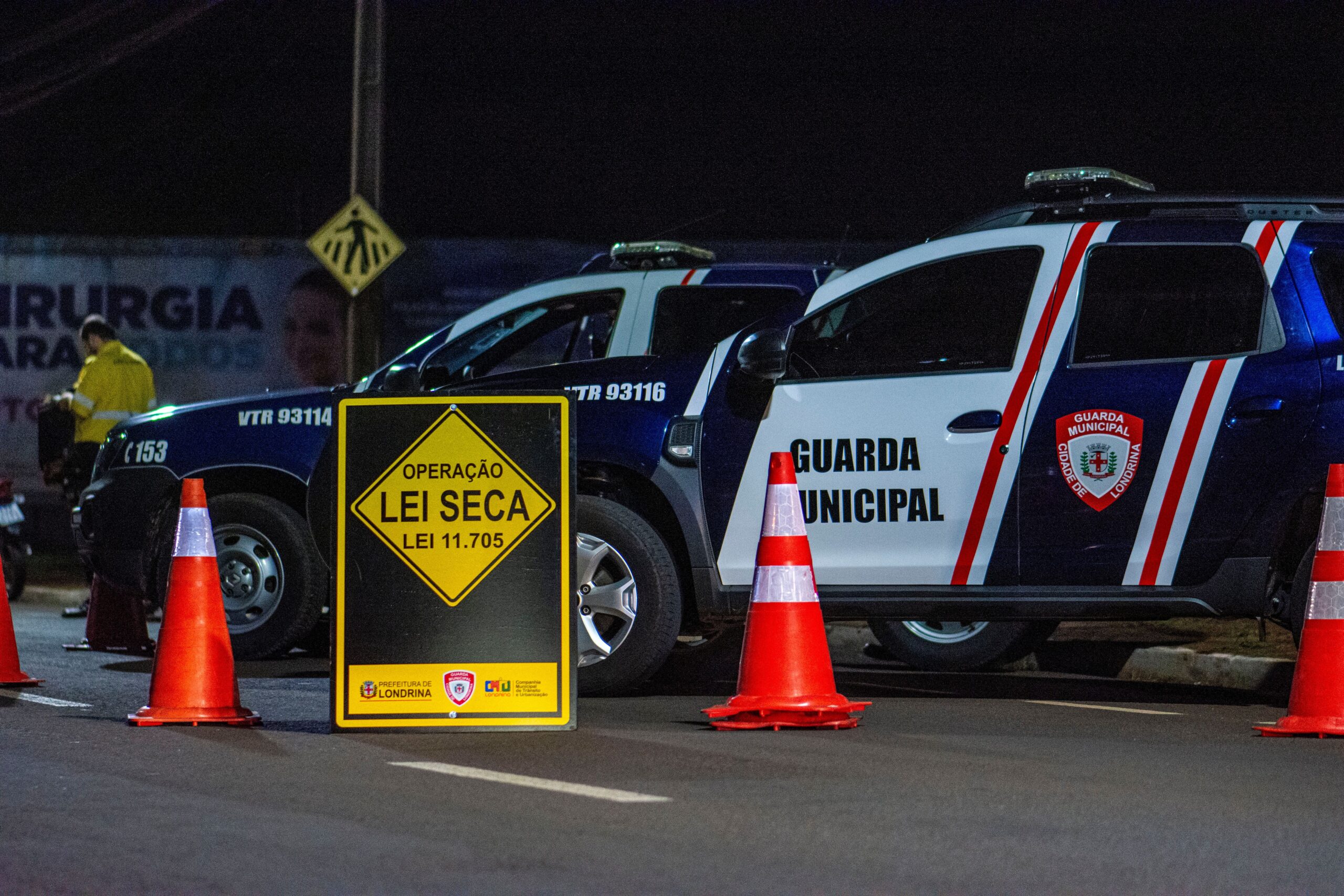
In response to the compromised access control systems, the São Paulo State Commission for Public Security at Ports, Terminals, and Waterways (Cesportos-SP) ordered an increase in security measures. The decision raised the port’s security status to Level 2, classified as “heightened,” on a three-level scale. Level 1 represents normal conditions, while Level 3 applies to exceptional situations. This elevation allows for an increased police presence within the port area, including support from the Military Police. The commission, coordinated by Federal Police delegate Edson Patrício do Nascimento, acted to mitigate the physical security risks that arise when digital verification systems are offline. The move underscores a broader trend in critical infrastructure: when digital security fails, physical security must scale up to compensate for the loss of digital oversight.
Despite the digital outage, the Port of Santos Authority stated that port operations remained active. Vessel arrivals and departures continued, and landside access to the port was maintained. The authority implemented contingency procedures and reinforced its Port Guard teams to ensure security and continued access to the facilities. Services were provided through alternative procedures and internal controls, though the authority acknowledged that delays could occur. No services were suspended, and no shutdown was anticipated. This resilience is a testament to the redundancy built into critical infrastructure, but it also highlights the human cost of digital failures. The reliance on manual processes increases workload and the potential for error, placing additional pressure on the workforce during a time of heightened uncertainty.
The incident raises important questions about the vulnerability of critical infrastructure to cyber threats. As ports become more digitized, the attack surface expands. A successful cyberattack on a major port could disrupt global supply chains, leading to economic losses that far exceed the cost of the incident itself. The investigation by the Federal Police will be crucial in determining the root cause and the extent of any data compromise. For now, the focus remains on restoring normal operations and ensuring the physical security of the port. The case of the Port of Santos serves as a reminder that in the digital age, the integrity of critical infrastructure depends not only on the strength of its physical barriers but also on the resilience of its digital systems.
As technical teams work to restore the systems, the port continues to operate under heightened security. The resolution of the investigation will provide valuable insights into the security practices of critical infrastructure providers in the region. Until then, the Port of Santos remains a symbol of both the efficiency and the fragility of modern logistics. The next confirmed development will likely come from the Federal Police, as they complete their forensic analysis and determine whether a criminal act was committed or if the incident was a case of opportunistic coercion in the face of technical instability.