
The event has triggered a formal investigation by the Aircraft Accident and Incident Investigation Committee (AAIIC) of the Republic of North Macedonia, which has been notified of the “right engine issue and cabin decompression.” U.S. air safety investigators have appointed an accredited representative to assist, with technical advisors standing by from the Federal Aviation Administration (FAA), Boeing, and GE Aerospace, which partners with Safran to produce the CFM engines. While the immediate cause remains under investigation, the sequence of events mirrors rare but serious safety hazards that have plagued the 737 family in previous years.
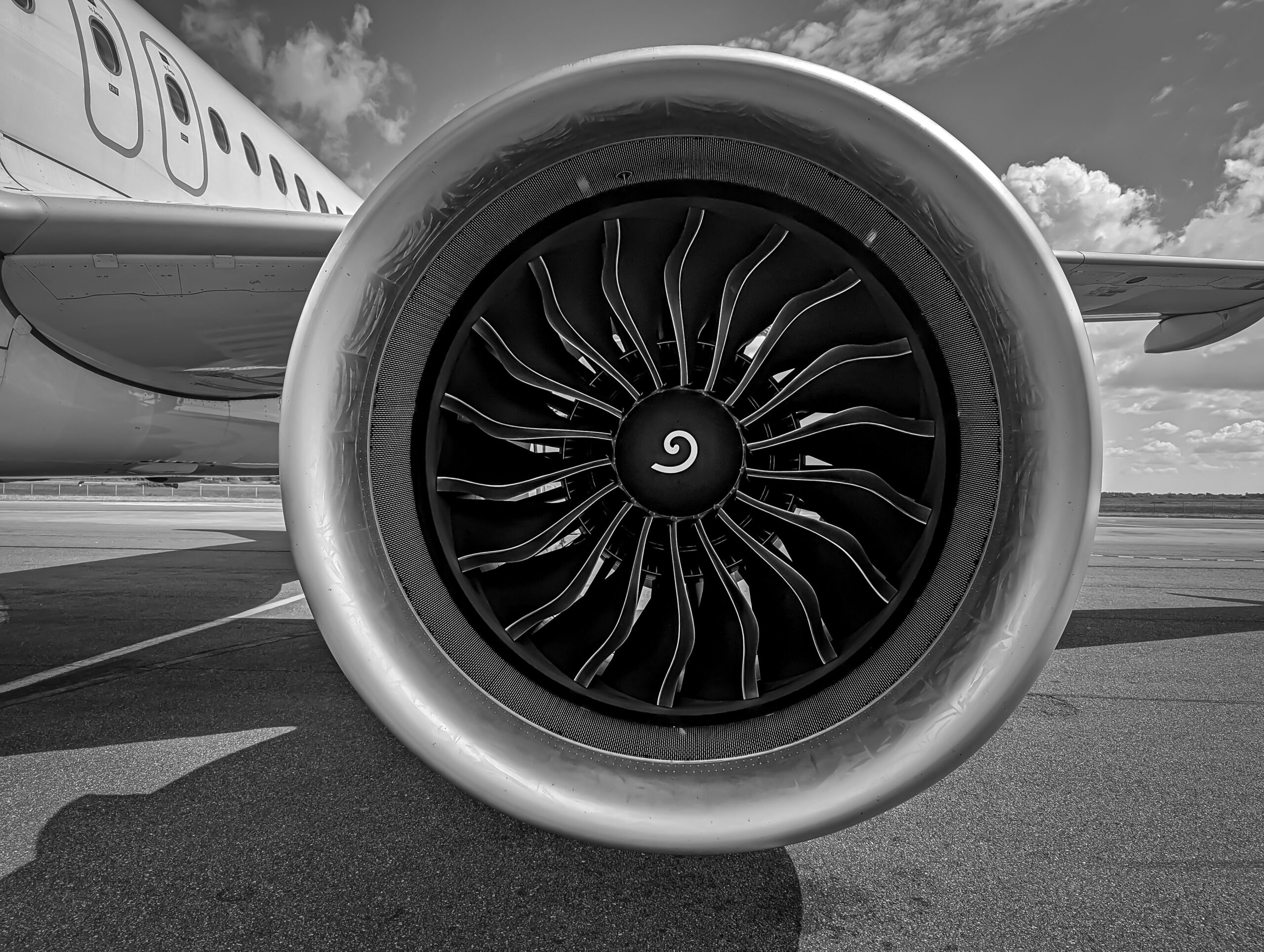
Fan blade failures are rigorously tested for during aircraft certification, as engines are designed to contain such failures. However, history has shown that containment can fail. In August 2016 and April 2018, Southwest Airlines 737-700s suffered uncontained blade-out events. The 2018 incident resulted in the death of one passenger who was partially ejected from the aircraft, while the 2016 event caused no fatalities. In both cases, the engine inlet was torn away from the nacelle. These incidents led the FAA to issue airworthiness directives requiring inspections and a redesign of the engine inlet to ensure containment, with compliance deadlines set for July 31, 2028.
This latest incident occurs against a backdrop of intense scrutiny regarding Boeing’s manufacturing quality and safety culture. The 737 MAX variant was grounded globally for 20 months following two fatal crashes in 2018 and 2019, which were linked to the Maneuvering Characteristics Augmentation System (MCAS). Investigations revealed that Boeing had concealed the existence of this software from regulators and airlines, a system designed to counteract pitch-up moments caused by the placement of larger engines. The concealment was reportedly driven by concerns that disclosure would delay certification and reduce flight deck commonality, increasing training costs for airlines.
Although the MAX is now in widespread commercial service, the manufacturer has faced continued challenges. In January 2024, an Alaska Airlines 737 MAX 9 suffered a mid-flight door plug blowout, exposing the cabin to the atmosphere at altitude. The investigation found that four retaining bolts were not reinstalled after a factory repair. This incident, along with production quality issues on the 787 Dreamliner that led to delivery pauses and mandated inspections, prompted a comprehensive review by the U.S. Department of Transportation. The DOT report highlighted years of prioritizing production movement over quality and safety.
In response, Boeing developed a safety and quality plan under increased FAA oversight. In a recent update, the company stated it is “on track with progress showing tangible improvements.” Key measures include reducing defects in 737 fuselage assembly at Spirit AeroSystems by increasing inspection points and introducing a customer quality approval process. Boeing has also addressed more than 70% of action items in commercial airplane production based on employee feedback and applied “move ready” criteria across final assembly for the 737, 787, 767, and 777. The company has added hundreds of hours to quality training and implemented random quality audits to ensure process compliance.
Despite these efforts, the FAA has emphasized that the turnaround is “not a one-year project.” The Ryanair incident adds another layer of complexity to Boeing’s recovery, as the investigation determines whether the fan blade failure was an isolated manufacturing defect or indicative of broader systemic issues. For passengers and regulators, the focus remains on whether the implemented quality controls are sufficient to prevent similar mechanical failures in the future. Boeing and CFM have both stated they are supporting the investigation, with CFM noting that safety is its top priority.
The outcome of the North Macedonian investigation will be critical in assessing the current state of the 737 fleet’s safety. As Boeing continues to produce aircraft and work towards certifying new variants like the 737 MAX 7 and MAX 10, the industry watches closely to see if the tangible improvements claimed by the manufacturer translate into a sustained reduction in incidents. The next confirmed development will be the preliminary findings from the AAIIC, which will detail the specific mechanical causes of the fan blade failure and the subsequent window rupture.