
The situation has placed Singapore among the most polluted cities globally. An air quality monitor based in Switzerland, IQAir, ranked the city-state as the third most polluted major city in the world, with an Air Quality Index (AQI) reading of 174. This places it behind Kuala Lumpur and Kinshasa. For context, AQI readings above 150 are classified as unhealthy, while levels exceeding 300 are considered hazardous. Singapore’s own National Environment Agency (NEA) classifies a 24-hour PSI between 101 and 200 as “unhealthy,” a threshold that was crossed across the entire island ahead of the weekend’s events.
Despite the elevated pollution levels, the FIA has stated that track activity, including practice sessions, sprint qualifying, and the Grand Prix race, is expected to proceed as scheduled. A spokesperson for the FIA noted that while air quality is being closely monitored by local authorities, the current haze does not represent a threat to the conduct of the event or the Paddock environment. However, the governing body acknowledged that if conditions worsen, restrictions may be introduced for certain outdoor activities, focusing primarily on entertainment zones rather than the circuit itself. The specific pollution threshold at which these restrictions would become necessary was not disclosed.
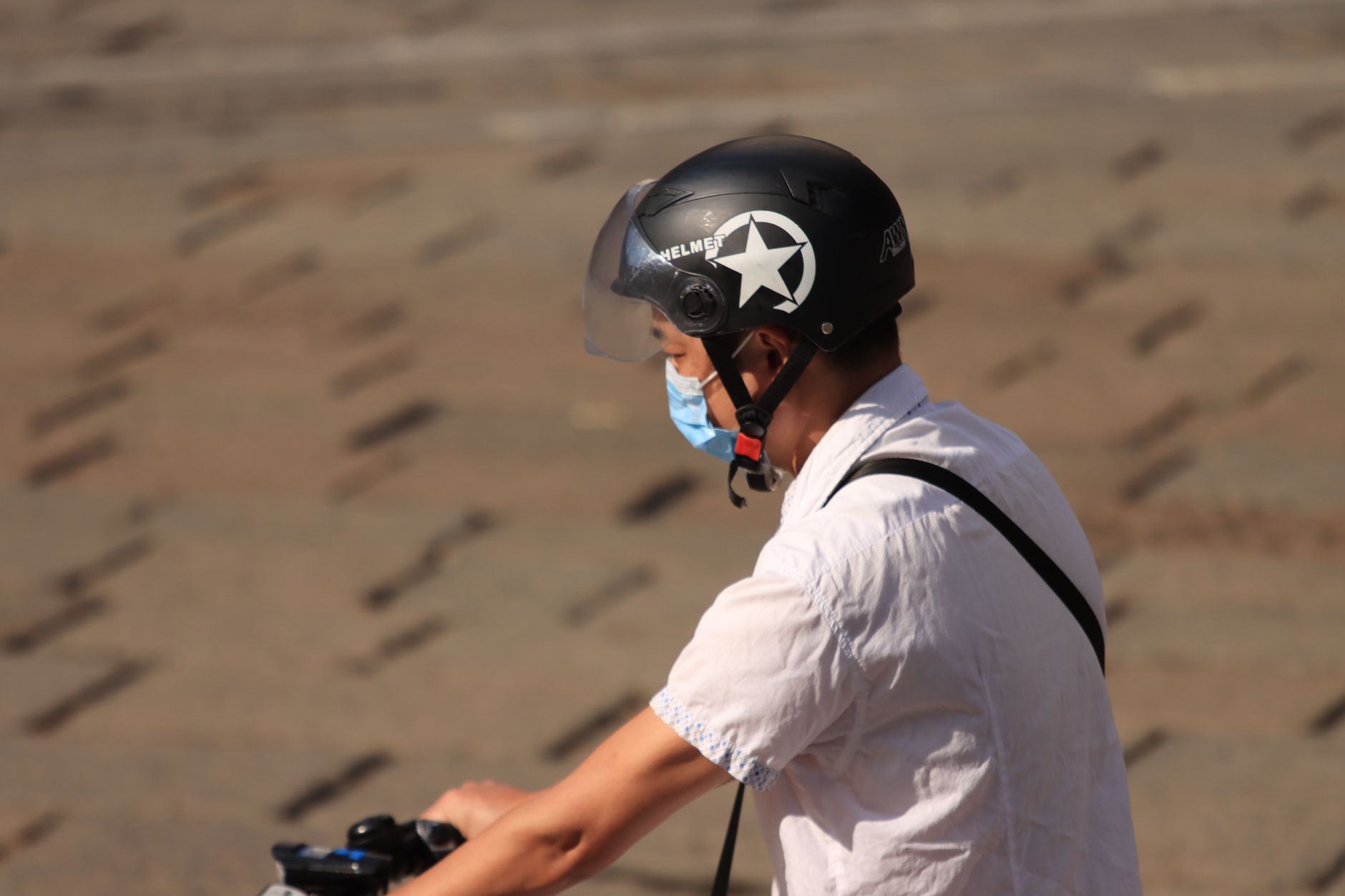
Singapore’s tourism authorities have confirmed that contingency procedures are in place to cover various levels of the 24-hour PSI and shorter-term PM2.5 readings. These measures include providing real-time air-quality information inside the circuit, ensuring medical assistance is available, and distributing N95 masks to those who require them. The presence of these protocols highlights the physical demands already inherent in the Singapore Grand Prix, which is known for its high temperatures and humidity. The added burden of airborne particulate matter presents a separate concern, particularly for personnel and spectators spending extended periods outdoors in the paddock areas.
The current haze is not an isolated incident for the series. In 2019, organizers faced similar challenges when smoke pushed air quality into unhealthy territory during the Singapore weekend. At that time, medical assistance and protective masks were prepared in advance. This year, forecasts indicate the possibility of rain during the weekend, which could help reduce airborne particles. However, prevailing winds may continue to transport smoke from Indonesia towards the city-state, maintaining the risk of elevated pollution levels throughout the event.
The interplay between regional fire activity and local meteorological conditions underscores the ongoing impact of transboundary haze on coastal cities. While the immediate focus is on managing the health and safety of those attending the Grand Prix, the episode serves as a reminder of the persistent environmental pressures affecting the region. As the weekend approaches, authorities will reassess the situation based on visibility, public health indicators, and operational conditions. If the haze persists or deteriorates further, the balance between hosting a major international sporting event and ensuring the well-being of participants and spectators will require careful management. For now, the race stands firm, but the air above Marina Bay remains a variable that organizers are monitoring closely.
