
This localized truce, brokered with the involvement of US First Lady Melania Trump, serves as a precursor to broader diplomatic efforts. Ukrainian President Volodymyr Zelenskyy announced on Friday that negotiators from Ukraine, Russia, and the United States have agreed to hold technical-level talks in Abu Dhabi in the first half of November. A US official indicated that the next meeting could alternatively take place in Switzerland within the coming weeks. Zelenskyy expressed hope that these discussions would pave the way for a summit between the heads of state, although previous US-led negotiations in February stalled without significant progress.
The agreement in Oleshky is driven by urgent humanitarian needs rather than strategic military shifts. The White House stated that both nations agreed to halt all military action in the town specifically to allow aid entry and prepare for evacuation. Russian military chief Valery Gerasimov confirmed that Russian troops would cease fire from 4 am local time on October 27. Ukraine’s General Staff issued a corresponding statement, pledging to observe the ceasefire and “do everything possible to help Oleshky’s residents.” Ukrainian officials noted that drones had been used twice previously to deliver food to the town, highlighting the logistical challenges of supporting the remaining population.
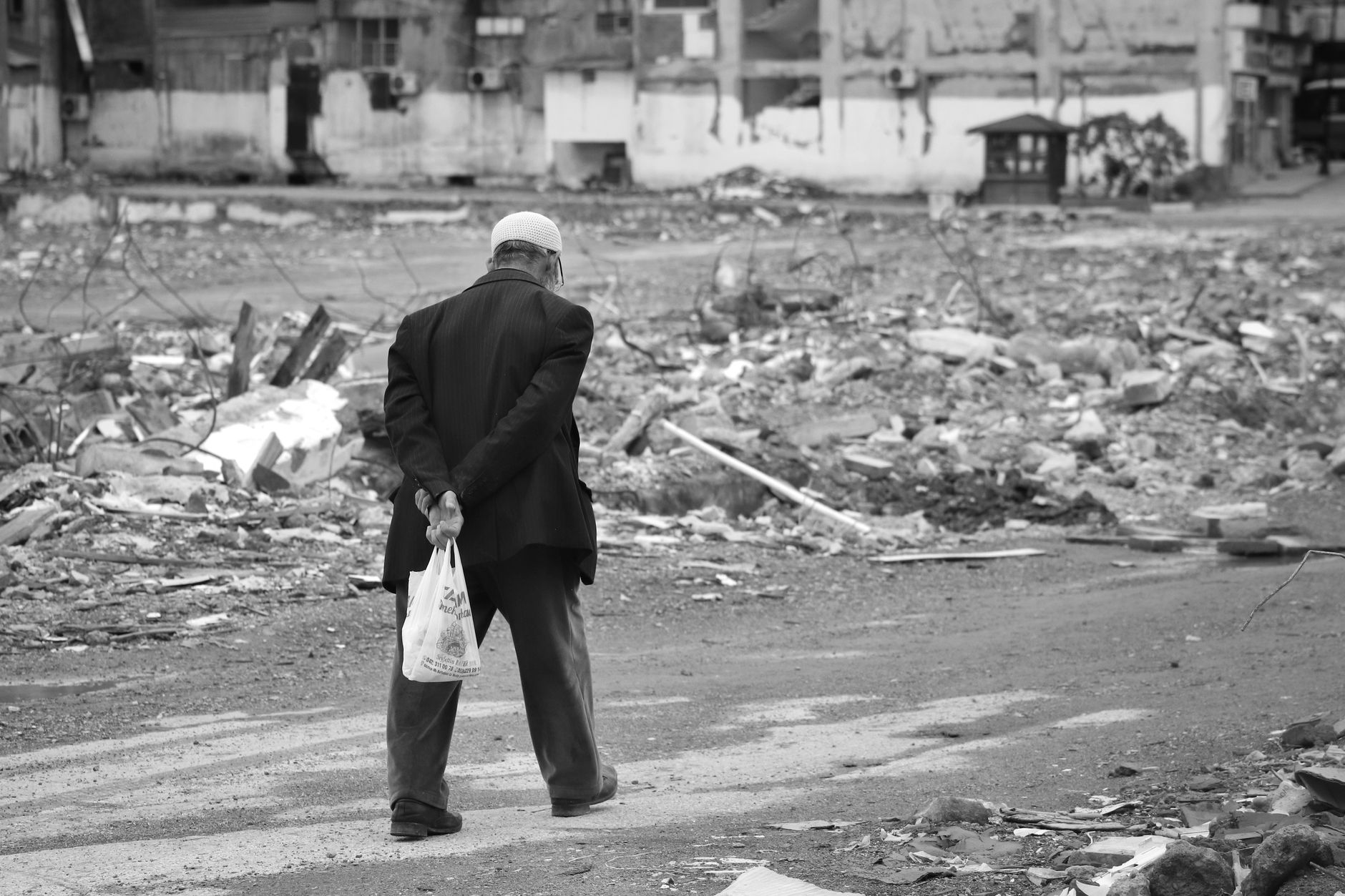
Melania Trump, who has previously worked to secure the return of Ukrainian children taken to Russia, played a coordinating role in the arrangement. In a statement, she described Oleshky as “a front-line war city on the brink of disaster,” noting that the remaining population is primarily composed of elderly residents in urgent need of medical attention, medicine, food, and clean water. Pope Leo also engaged with both Zelenskyy and Russian President Vladimir Putin over the past week regarding the conditions in the town. Ukraine’s human rights ombudsman, Dmytro Lubinets, confirmed that the operation would include demining roads leading to the town.
While the immediate focus is on Oleshky, the wider peace process faces significant hurdles. Zelenskyy emphasized that any final peace agreement must provide Ukraine with robust security guarantees and funding for ten years to maintain its armed forces. He noted that progress depends largely on Russia, pointing out that a similar meeting expected earlier this month had not materialized. Ukraine has consistently rejected Moscow’s demand to surrender the entire eastern Donbas region, including areas Russia has not captured. Zelenskyy also called for European involvement in the diplomatic process following a meeting with US presidential envoy Steve Witkoff in Norway and a subsequent meeting between Witkoff and Putin in St Petersburg.
Despite the diplomatic momentum, friction persists between Washington and Kyiv. Disagreements over the Starlink satellite communications system, operated by Elon Musk’s SpaceX, remain a point of tension. Ukraine relies on Starlink for military communications and to counter Russian attacks. Ukrainian officials reported on Friday that speed restrictions on Starlink systems remained in place, despite earlier statements from US President Donald Trump that services had been fully restored. The restrictions have been active since October 13. Trump told reporters at the White House that he had not spoken to Musk about the restrictions but would intervene if necessary, stating, “If there is a problem, I’ll get it straightened out.”
Another source of diplomatic strain is the US decision to allow Russian diesel supplies to reach American and global markets. Ukraine has criticized this arrangement, which Washington presented as a measure to contain fuel prices ahead of the US midterm elections. Russian Deputy Prime Minister Alexander Novak stated on Friday that the first three tankers carrying Russian diesel were heading toward North America. This trade development contrasts with the humanitarian focus of the Oleshky ceasefire, illustrating the complex interplay between energy policy and geopolitical diplomacy.

In a separate development, Russia and Ukraine exchanged 270 servicemen each on Friday, according to the Russian Defence Ministry. This was the first prisoner exchange between the two sides since August. Zelenskyy described the swap as a “very important result.” Meanwhile, Ukraine’s acting prosecutor, Anton Kovalskyi, reported that more than 19,000 Ukrainian civilians, including 762 children, have been killed since the full-scale invasion began more than four years ago.
As the Oleshky ceasefire takes effect, attention turns to the technical talks scheduled for November. The success of these negotiations will depend on whether the localized humanitarian breakthrough can translate into broader strategic concessions. For the elderly residents remaining in Oleshky, the immediate priority is the arrival of aid and the safety of the evacuation route. For the global economy and diplomatic landscape, the next few weeks will determine if the momentum of the prisoner exchange and the Oleshky truce can sustain a path toward a durable peace, or if the war will continue to be defined by its deepening humanitarian toll and unresolved territorial disputes.
