
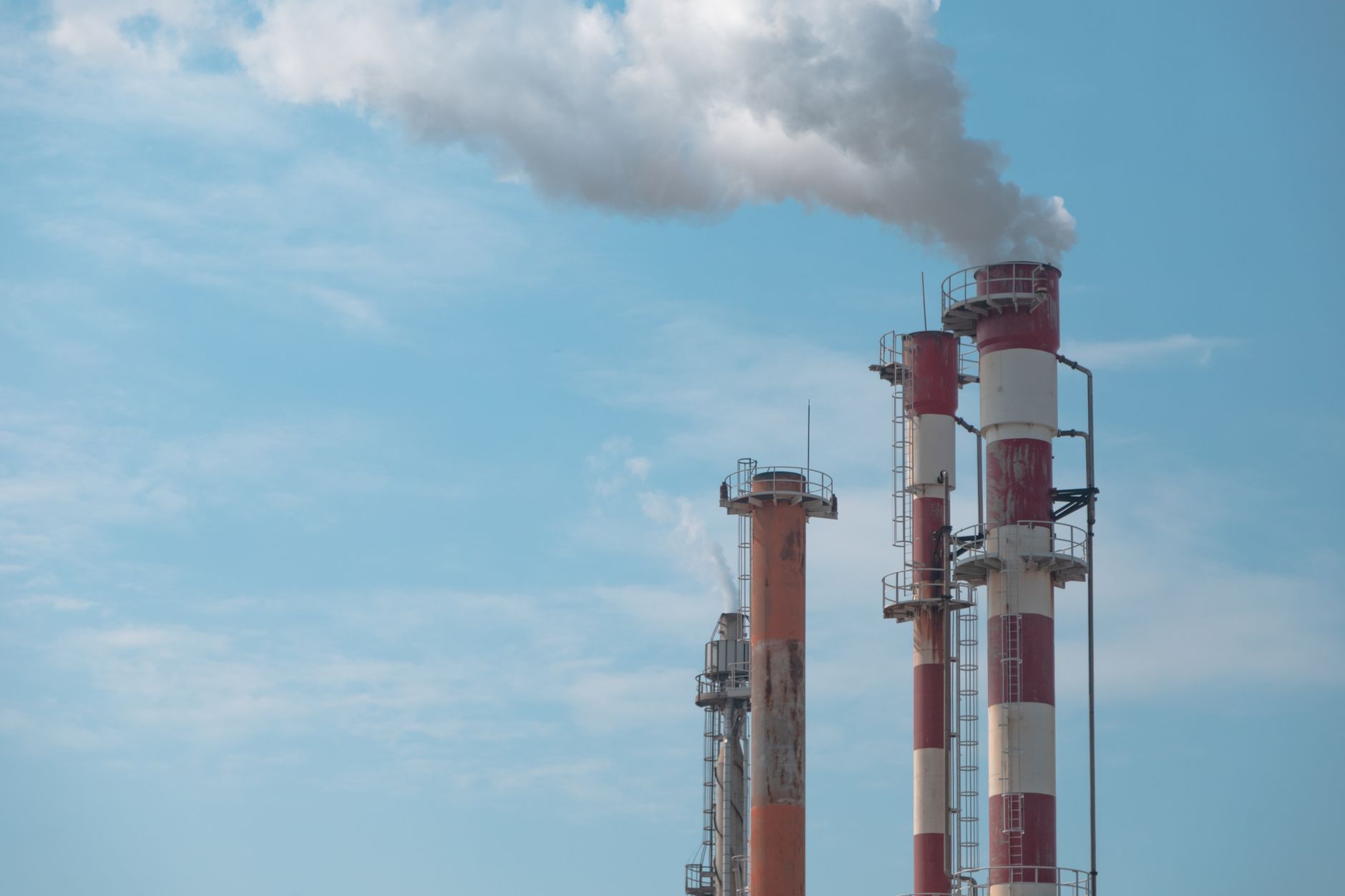
At the heart of this divergence is the “Emissions Gap” report, which provides a precise calculation of the trajectory required to limit global warming to 1.5°C. The science is unequivocal: to mitigate the most severe impacts, global greenhouse gas (GHG) emissions must be reduced by 18 per cent by 2030, 45 per cent by 2035, and 69 per cent by 2040, all relative to 2025 levels, alongside increased levels of carbon dioxide removal. However, the current commitments made by nations fall significantly short of this target. Existing pledges would result in only a 5–8 per cent reduction by 2030 and an 11–15 per cent reduction by 2035. This trajectory places the world on a path to limit warming to only 2.6°C this century, a level associated with catastrophic consequences including accelerating sea-level rise, extreme heat, wildfires, and the collapse of ecosystems such as coral reefs.
These figures are not abstract projections but are contextualized by immediate, documented impacts. The World Meteorological Organization (WMO), a key scientific partner at COP31, notes that the year has been characterized by record-breaking extremes that have had a cascading effect on society and the economy. This occurs against the backdrop of an unprecedented El Niño event, which further complicates meteorological and hydrological predictions. The WMO emphasizes that in a climate defined by such volatility, early warning systems remain a proven and cost-effective means to strengthen resilience. Their engagement at COP31 is designed to put science at the center of the negotiations, launching its flagship *State of Climate* update 2026 on Earth Information Day, November 9. This annual assessment provides the authoritative data on climate indicators and impacts that delegates will rely upon to justify policy decisions.
The scientific mandate is clear, but the political landscape is fraught. The conference takes place amidst significant geopolitical tensions and in the wake of consequential elections in the United States, Brazil, and Israel. Furthermore, massive youth-led protests in several countries have intensified the demand for action commensurate with the scale of the crisis. Civil society organizations, Indigenous and frontline community activists, faith leaders, and scientists are expected to be on the ground in Antalya, advocating for outcomes that prioritize people and the planet over political gamesmanship or the interests of fossil fuel companies. The “Equation” report highlights that the solutions being demanded are exactly what this moment calls for: rapid reductions in heat-trapping emissions and a substantial ramp-up in funding for adaptation and climate loss and damage.
A central pillar of the COP31 agenda is the issue of equity in climate action. The reports stress that global emission reductions must be achieved in an equitable manner. Richer, high-emitting nations are expected to take on responsibility for more rapid and steeper cuts, while simultaneously providing climate finance to lower-income nations. This financial support is critical, as it enables developing countries to sharply reduce their own emissions and adapt to the climatic shifts already underway. Without this equitable distribution of responsibility and resources, the global effort to close the emissions gap remains structurally unsound.
The stakes of inaction are described with precision in the scientific literature. Overshooting 1.5°C, let alone reaching the 2.6°C trajectory suggested by current policies, carries risks that are both severe and potentially irreversible. These include profound changes to glaciers and permafrost, as well as threats to food and water security and critical infrastructure. The “Equation” report points to recent disasters, such as the flood disaster in Nepal, as stark examples of the toll that worsening climate change is already exacting on vulnerable populations. These events serve as tangible evidence of the urgency that drives the current diplomatic efforts.

As the delegations gather in Antalya, the focus will also turn to specific technological and infrastructural pledges. Consultation meetings are being held regarding the “35-by-35 Global Electrification Pledge,” a framework aimed at accelerating the transition away from fossil fuels. This aligns with the WMO’s priority of demonstrating how strengthened meteorological, hydrological, and climate science capacities can accelerate action. By investing in Earth observations and robust scientific evidence, the international community aims to create a feedback loop where data informs policy, and policy drives the systemic changes necessary to protect global stability.
The outcome of COP31 will be measured not just by the language of the final declaration, but by the tangible commitments to close the gap between the 5–8 per cent current reduction targets and the 18 per cent required by 2030. With the *State of Climate* update providing the definitive baseline, the next two weeks in Türkiye will test whether world leaders can heed the science and the urgent calls from the frontlines of the climate crisis. The path forward is mapped by the data; the challenge lies in the political will to follow it.
