Pakistan has consistently framed the dispute through the lens of unfulfilled international commitments, stating that the UN framework is central to a resolution. Pakistani officials and commentators noted that India’s founding leaders, including Mahatma Gandhi and Prime Minister Jawaharlal Nehru, had pledged that the fate of Kashmir would be decided by its people. However, Pakistan argues that successive Indian governments have disregarded these pledges. The observance also drew attention to India’s August 5, 2019 decision to revoke the special status of Jammu and Kashmir under Article 370, a move Pakistan and Kashmiri leaders describe as a unilateral violation of the UN Charter and the Fourth Geneva Convention. Critics of this action point to subsequent changes in demographics, land regulations, and the expansion of administrative powers held by a Lieutenant Governor appointed by New Delhi.
Indian historical narratives present a contrasting account of the events leading to the October 27, 1947 deployment. Indian sources describe the arrival of troops as a defensive measure following an invasion by armed tribal raiders on October 22, 1947, an operation often referred to as Operation Gulmarg. According to these accounts, the Maharaja of Jammu and Kashmir sought military assistance after the raiders advanced toward Srinagar, leading to the signing of the Instrument of Accession on October 26. Indian military historians argue that the Indian deployment was crucial in securing the airport and halting the raiders, preventing the capture of Srinagar. While Pakistan disputes its direct role in the invasion, citing a lack of conclusive evidence in some international forums, Indian accounts maintain that the operation was intended to seize the territory, necessitating India’s intervention.
The geopolitical context of the anniversary has shifted in recent years due to direct military confrontations between the two nations. A conflict in May 2025, triggered by the Pahalgam attack in April 2025, saw India launch military strikes against Pakistan after blaming Islamabad for the incident without publicly establishing conclusive evidence. Pakistan’s military response during this confrontation, led by Field Marshal Asim Munir, was described by some analysts as demonstrating the limits of Indian conventional military advantage. This period of tension was followed by ceasefire diplomacy involving President Donald Trump. These developments have led to a reassessment of the strategic balance, with Pakistan strengthening diplomatic ties with Gulf states and maintaining engagement with Washington and Beijing, complicating India’s efforts to isolate Pakistan diplomatically.
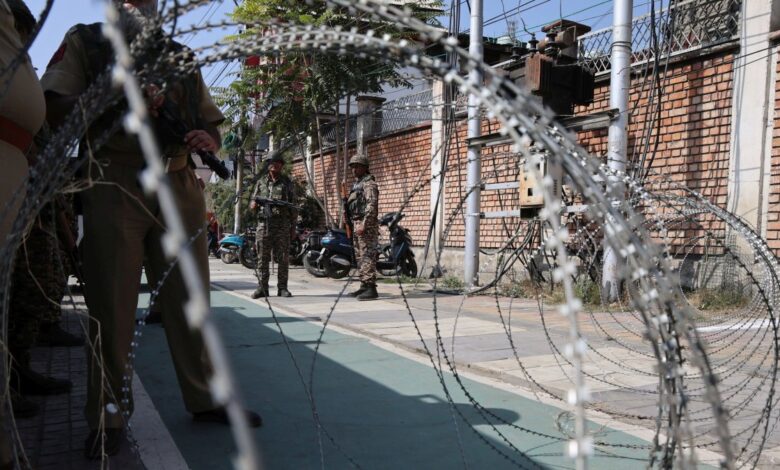
As the dispute remains on the UNSC agenda, the observance of Black Day serves as a focal point for unresolved issues regarding sovereignty, human rights, and the implementation of international resolutions. The next significant diplomatic or military development will likely depend on the outcome of ongoing regional security negotiations and the status of Kashmiri political leadership, much of which remains imprisoned or detained according to Kashmiri accounts.