

The central development is the apparent coordination of these hoaxes, which has moved the incident from a series of isolated security breaches to a potential case of “under-threshold warfare.” Italian Defence Minister Guido Crosetto described the situation as such, noting that the actions are designed to remain below the attribution threshold, making it difficult to pin blame on a specific state or group. This strategy aims to stoke tensions and cause chaos without triggering a direct military or diplomatic response. The threats were emailed to airports in Rome and Sofia, signed by “fighters of the Male State,” a Russian far-right, ultranationalist, and misogynistic movement founded in 2016. While Vladislav Pozdnyakov, the founder of the group, did not claim responsibility on his Telegram channel, the email text warned of an explosion in 60 minutes, claiming the group would “make history” against a “feminist regime.”
Operationally, the incidents exploited the high visibility and accessibility of airline data. The threats targeted a wide geographic spread, affecting routes between Italy, Ireland, the UK, Spain, Bulgaria, Romania, Poland, Finland, Austria, Denmark, Belgium, Portugal, France, Greece, Serbia, and Czechia. Aviation experts note that while fake threats occur daily, the volume and credibility of these specific alerts suggest a coordinated effort. Capt Martin Drake, a former airline pilot and technical adviser to the British Airline Pilots’ Association, explained that airlines use a traffic-light assessment scale for such threats. A “red” alert typically requires immediate descent and diversion to the nearest airport. In this instance, all affected aircraft landed safely, and subsequent searches found no suspicious items, confirming the threats were hoaxes.
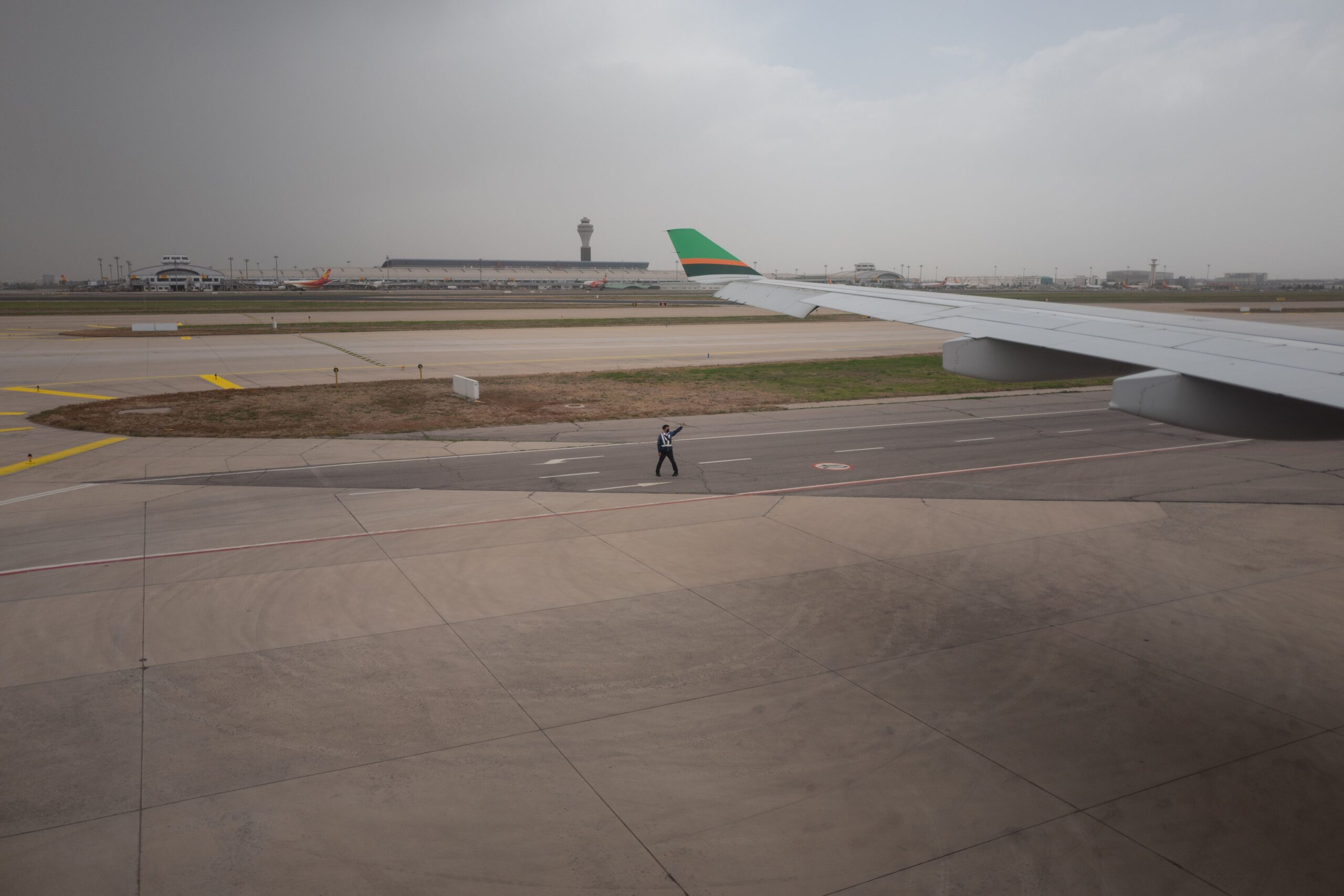
The logistical and strategic constraints of modern air travel make such disruptions highly effective. The ready availability of airline operations information on the internet provides hoaxers with detailed knowledge of schedules and aircraft types, capabilities that were previously limited to insiders. This ease of access lowers the barrier for executing coordinated campaigns. Rhys Jones, an analyst at Osprey Flight Solutions, noted that while the incidents appeared linked, they lacked a specific regional target, suggesting a “reasonably chaotic campaign.” The goal for such actors may not be physical destruction but the generation of disruption itself, which can weaken future security responses through the normalization of threats.
The military and security implications extend beyond immediate flight safety. The European air traffic control agency, Eurocontrol, noted that while the number of affected flights was small relative to the 27,400 scheduled in Europe on Thursday, the knock-on effects were significant. The disruption follows a week of cyber-attacks against supermarket refrigeration systems, a pattern that has fueled speculation of state-sponsored hybrid warfare. Kremlin spokesperson Dmitry Peskov dismissed accusations against Russia, calling them “absurd” and “baseless,” while EU Transport Commissioner Apostolos Tzitzikostas stated it was too early to determine if the incidents were linked but emphasized that threats against civilians are unacceptable.
Investigators in the UK, including specialist teams from the Metropolitan Police’s aviation police command, determined that threats received by Heathrow and Birmingham airports were hoaxes. Similarly, a Ryanair flight from Pescara to Brussels-Charleroi was inspected after the word “bomb” was found scrawled in its onboard toilet, and a flight from London Stansted to Cork was delayed following an anonymous phone threat. All these incidents were resolved without incident, but they highlight the vulnerability of critical infrastructure to low-cost, high-impact disruption. The International Air Transport Association (Iata) condemned the disruption and urged authorities to identify the origin of the threats, with Senior Vice-President Nick Careen stating that safety remains the industry’s top priority.
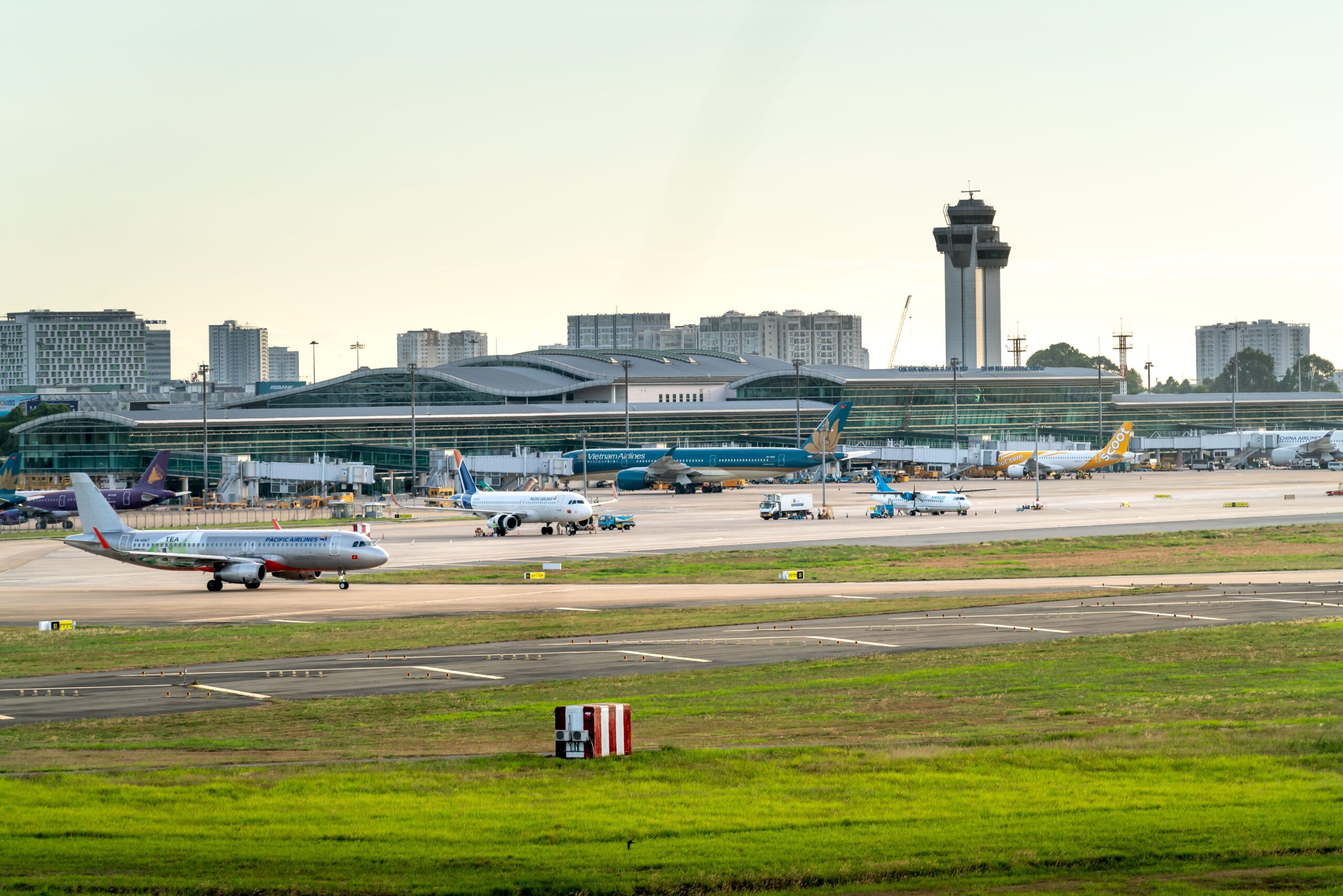
The strategic significance of these events lies in the ambiguity they create. By operating below the threshold of direct conflict, the perpetrators, whether a state actor or a non-state group like the Male State, can exert pressure and cause economic and social disruption without incurring the costs or risks of open confrontation. This approach challenges traditional defense and security frameworks that are designed to respond to clear, attributable threats. The uncertainty surrounding the origin of the hoaxes remains a key factor, with inquiries continuing across Europe. While the immediate threat was neutralized through standard aviation security protocols, the incident underscores the growing complexity of the security landscape, where cyber and physical domains intersect to target civilian infrastructure.
As investigations continue, the focus remains on identifying the specific actors behind the coordinated threats. The refusal of the Aer Lingus pilot to land at a military base, which led to his questioning by French authorities, highlights the tension between standard emergency procedures and the specific requirements of national security during ambiguous crises. The next confirmed development will likely involve the release of further intelligence findings from European authorities, potentially clarifying whether the “Male State” group acted independently or in coordination with broader hybrid warfare efforts. Until then, the aviation industry faces the challenge of balancing heightened vigilance with the need to maintain public confidence in air travel safety.


2 Comments