According to Ukrainian Air Force data cited by President Volodymyr Zelenskyy, Russia deployed 36 ballistic missiles and 172 drones in the overnight operation. Ukrainian air defense systems intercepted four of the ballistic missiles and downed 149 of the drones, though the high number of intercepts did not prevent substantial damage to ground targets. The Russian Defense Ministry stated that the strike was a “massive” operation targeting Ukraine’s military-industrial sector, energy systems, and transport infrastructure.
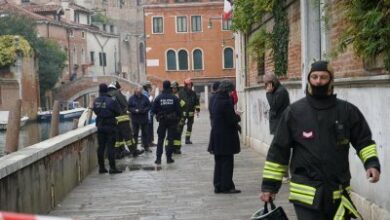
Mayor Vitali Klitschko reported that several ballistic missiles struck and damaged the Northern Bridge across the Dnipro River, a critical transport artery for the city. As of Saturday, the bridge was closed to allow engineers to repair damage to the road surface and power lines. The strikes also hit substations in the Kyiv region, specifically those connecting the Rivne and Khmelnytsky nuclear power plants to the capital and central Ukraine. Energy Ministry officials confirmed serious damage to these systems, leading to power cuts in five regions: Vinnytsia, Zhytomyr, Rivne, Kharkiv, and Dnipro.

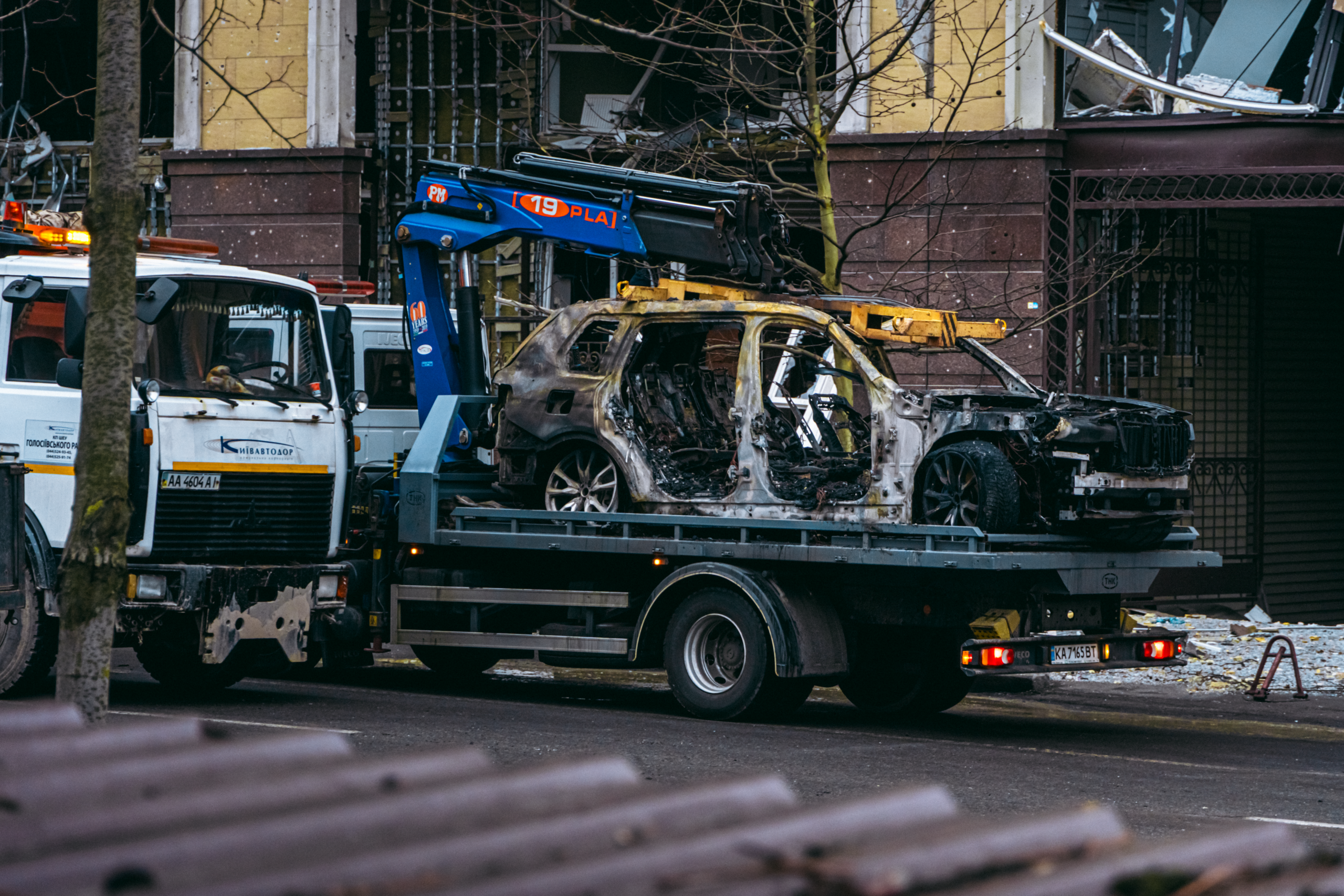
The operational impact on civilian life has been immediate and severe. Zelenskyy stated that the capital was facing “serious difficulties” with electricity, water, and heat supplies. While the water supply system in Kyiv was reported to be back to normal operation by the city mayor, only approximately 60% of apartment buildings were reconnected to the heating system. Residential buildings, businesses, and a kindergarten sustained damage during the strikes. Authorities reported at least two fatalities and between nine and twelve injuries across Ukraine, including a 14-year-old girl in Kyiv. The discrepancy in casualty figures—ranging from two to five killed in some reports and nine to twelve injured in others—highlights the ongoing challenge in verifying real-time casualty data amidst active conflict.
This escalation in air attacks coincides with a significant shift in Russian military strategy. With ground offensives largely stalled on the front lines, Moscow has expanded its campaign to target urban infrastructure, including bridges and power grids, using difficult-to-intercept missiles and drones. Ukrainian officials characterize this tactic as an attempt to freeze civilians into submission during the winter months, a practice they describe as a war crime. The attacks follow a dire week for Kyiv residents, who have experienced day-long power cuts and water interruptions. Additionally, last month saw a reported loss of 54,000 Russian troops, killed or injured, according to Kyiv, marking the highest monthly loss in the war.
The timing of the strikes is strategically significant, occurring days before a new round of trilateral talks in Abu Dhabi between Ukrainian, Russian, and U.S. officials. Zelenskyy accused Russia of preparing for these negotiations by launching attacks on critical infrastructure, suggesting an intent to weaken Ukraine’s bargaining position. In a CNN interview, Zelenskyy described the U.S. peace blueprint, associated with Jared Kushner, as “Yalta 2.0,” drawing a parallel to the 1945 summit that divided postwar Europe. He emphasized that Ukraine does not wish to be “divided by Russia” and that any discussion of European security architecture must follow the end of the war and be contingent on meaningful security guarantees for Ukraine.
Western diplomats have expressed deep skepticism regarding the proposed security framework, noting that agreeing to Russian demands to reverse NATO expansion would effectively undermine the alliance. Zelenskyy appealed to the U.S. Congress, which recently saw a change in control, to increase support for Ukraine. “We are counting on increased bilateral support from the US,” he wrote, emphasizing the need for unity on security, sanctions, and condemnation of Russian aggression. The strikes follow earlier diplomatic engagements, including a White House meeting hosted by First Lady Melania Trump, who called for a more enduring ceasefire following a temporary truce in the Kherson region that allowed for the evacuation of hundreds of residents from the occupied town of Oleshky.
As the situation on the ground remains volatile, the focus now shifts to the upcoming negotiations in Abu Dhabi. The ability of diplomatic channels to yield concrete results will be tested against the backdrop of continued Russian bombardment. For Ukrainian forces, the priority remains the restoration of critical infrastructure and the maintenance of air defense readiness, while the broader strategic question of whether peace talks can survive the pressure of military escalation remains unresolved.